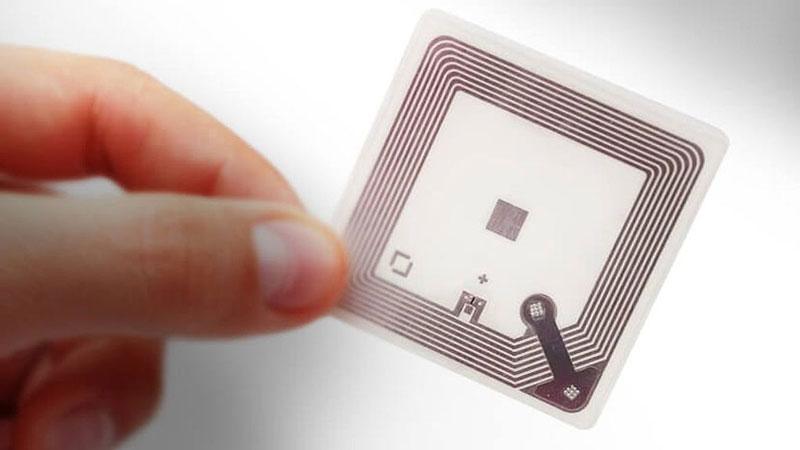
Radio Frequency Identification (RFID) uses wireless non-contact structure with the help of radio-frequency electromagnetic fields. RFID transfers the files from a tag attached to an article, for automatic tracking and identification. Some of the tags need no power source and are run by the electromagnetic fields. Other tags emit radio waves and require a limited power. The tag comprises of electronically stored information which could be read from the distant.
Chipless RFID Market Industry Research Report focuses Market Size, Share, Growth and Forecast to 2025. This marketing research Report based upon factors on which the businesses compete within the market and this factor which is beneficial and valuable to the business. This report was published stating that the worldwide Chipless RFID Market is anticipated to expand significantly at Million US$ in 2019 and is projected to succeed in Million US$ by 2024, at ... Read more
In today's digital era, Radio Frequency Identification (RFID) technology has become an integral part of various industries, enabling efficient tracking and identification of objects. Traditionally, RFID systems rely on tags equipped with integrated circuits (chips) to store and transmit data wirelessly. However, recent advancements in RFID technology have paved the way for a groundbreaking innovation known as Chipless RFID. Unlike its chip-based counterpart, chipless RFID ... Read more
Chipless RFID is a wireless identification technology that utilizes radio frequency to identify objects without an embedded microchip. It works by encoding data into the physical properties of RFID tags and utilizes radar cross-section signatures to encode data without an electronic chip. Chipless RFID tags are less expensive to produce and more durable as compared to conventional RFID tags. Rising need for supply chain visibility and product traceability across industries is expected ... Read more