Pistachios Nutritional Powerhouse, Global Production, Health Benefits, and Culinary Versatility

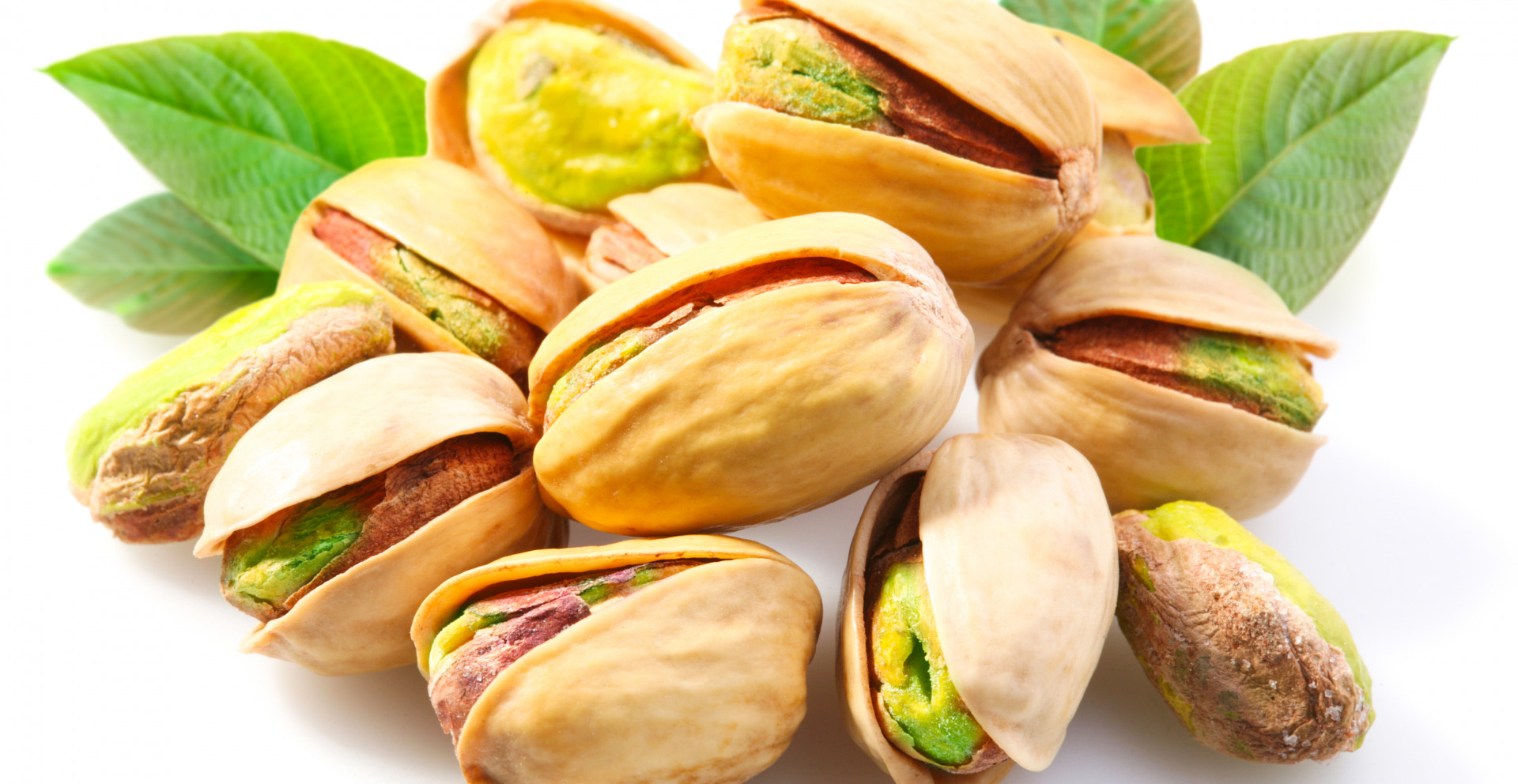
Nutrition Facts of Pistachios
Pistachios are packed with essential vitamins, minerals, plant compounds and healthy fats. A one ounce serving of pistachios (around 49 kernels) contains:
- 160 calories
- 6 grams of protein
- 13 grams of total fat including 3.5 grams of monounsaturated fat and 2 grams of polyunsaturated fat
- 3 grams of fiber
- 1 gram of carbohydrates
- 25% of the daily value of thiamine, phosphorus, vitamin B6 and manganese
- 20% of the daily value of copper
Pistachios also provide modest amounts of vitamin K, magnesium, potassium and riboflavin. Its high nutrient density makes pistachios a nutrient powerhouse.
Health Benefits of Eating Pistachios
The rich nutrient profile of pistachios enables them to offer a variety of health benefits. Some of the major health benefits include:
- Heart Health: The unsaturated fats and plant compounds in pistachios help lower LDL cholesterol and blood pressure, reducing heart disease risk.
- Weight Management: The combination of protein, fiber and healthy fats keeps you feeling full and satisfied for long, preventing overeating. Pistachios help maintain weight or support weight loss.
- Diabetes Management: Pistachios have a low glycemic index and aid in glucose and insulin regulation. Regular consumption may reduce diabetes risk and better manage existing diabetes.
- Healthy Gut: The fiber in pistachios promotes healthy digestion and regularity while supporting the growth of beneficial gut bacteria.
- Cancer Prevention: Phytonutrients like carotenoids, flavonoids and phenolic compounds in pistachios help protect cells from damage and scavenge free radicals to decrease cancer risk.
Common Varieties of Pistachios
There are primarily three main commercial varieties of pistachios grown globally:
- Kerman: This variety represents over 90% of the world's Pistachio production. Kermans are medium to large in size with soft shells and luminous beige kernels. Iran and California are major producers.
- Ohadi: An older variety with harder shells and smaller, greenish kernels. Mainly grown in Middle Eastern countries.
- Badami: The earliest known variety grown mainly in the Mediterranean region. Badamis have large kernels with sharp flavor.
Leading Producers and Global Production
- Iran: Largest producer of pistachios globally accounting for over 50% of world production annually.
- USA: California has ideal growing conditions. It is the 2nd largest producer and exporter of pistachios worldwide.
- Turkey: 3rd largest producer focusing on Ohadi and Badami varieties.
- Syria: An important pistachio growing nation in West Asia, facing challenges due to ongoing political conflict.
- Global production: Roughly 750,000 to 800,000 tons per year with over 90% grown in Iran, USA, Turkey and Syria. Pistachio farming is expanding in Chili, Australia and China too.
Culinary Uses and Popular Recipes
The mildly sweet and nutty flavor of pistachios complement both savory and sweet dishes. Here are some popular ways pistachios are used in the kitchen:
- Snacking: Pistachios make for a delicious wholesome snack eaten raw, roasted or salted.
- Ice creams and bakery items: Pistachio adds color and flavor to ice creams, pastries, biscotti and other desserts.
- Pasta and rice dishes: Finely chopped pistachios are commonly sprinkled on pilafs, couscous, pasta salads etc for extra crunch and taste.
- Traditional Middle Eastern cuisine: Pistachios play a role in classic dishes like baklava, kababs, biryani and halva.
- Salads and appetizers: Crushed pistachios make an excellent crunchy garnish on salads and appetizers.
- Pistachio butter and spreads: Similar to almond butter, pistachio butter is increasingly popular to spread on crackers or toast.
Explore more information on this topic, Please visit-
https://www.newsstatix.com/pistachio-share-size-and-growth-share-trends-analysis-demand-forecast/