Wood Paints & Coatings: Preserving Nature's Beauty with Sustainable Protection

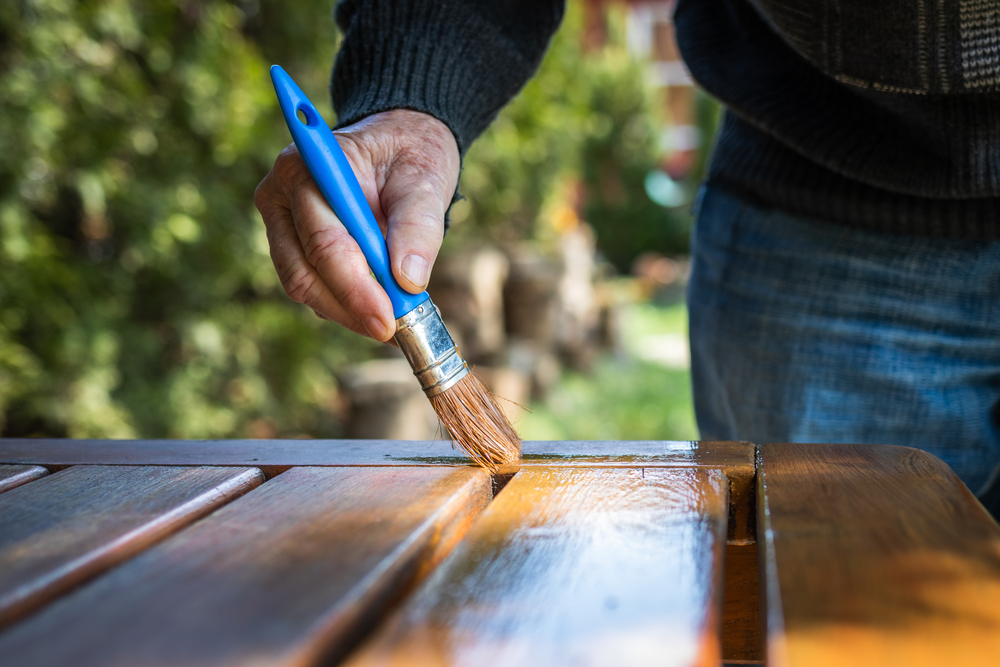
Wood Paints & Coatings: Enhancing Wood's Beauty and Durability
Wood paints and coatings play a crucial role in preserving and enhancing the beauty of wood surfaces while providing protection against various environmental factors. Whether used for interior furniture, exterior structures, or artistic creations, these specialized products offer a wide range of benefits that cater to the unique needs of wooden surfaces.
1. Introduction to Wood Paints & Coatings
Wood paints and coatings encompass a diverse range of products designed to enhance, protect, and transform wood surfaces. They come in various formulations, such as oil-based, water-based, and acrylic paints, as well as clear coats, stains, varnishes, and lacquers. These products are carefully engineered to cater to different types of wood, weather conditions, and desired finishes.
2. Enhancing Aesthetics
One of the primary purposes of wood paints and coatings is to elevate the aesthetics of wood surfaces. They provide an array of colors and finishes, allowing homeowners, artists, and craftsmen to customize wood according to their preferences. From classic wood stains that showcase the natural grain to vibrant paints that add a pop of color, these products breathe new life into tired or raw wood.
3. Protecting Against Wear and Tear
Wood is susceptible to damage from moisture, UV rays, pests, and physical abrasions. Wood paints and coatings act as a protective shield, preventing water penetration, minimizing sun-induced fading, and repelling insects and fungi. The added layer of protection significantly extends the lifespan of wooden objects, reducing the need for frequent repairs or replacements.
4. Ensuring Durability
Wood paints and coatings contribute to the overall durability of wood surfaces. They create a tough and resilient outer layer that can withstand daily use, outdoor exposure, and harsh environmental conditions. For exterior wooden structures like decks, fences, and siding, weather-resistant coatings are especially crucial to maintaining the wood's integrity over time.
5. Environmental Considerations
With growing awareness of environmental sustainability, manufacturers are developing eco-friendly wood paints and coatings. Water-based and low-VOC (volatile organic compounds) options reduce harmful emissions and minimize the impact on air quality and human health. These products align with eco-conscious practices, making them a preferred choice for environmentally responsible consumers.
6. Application Techniques
Achieving a flawless finish requires proper application techniques. Depending on the product type, surface, and desired outcome, professionals and DIY enthusiasts alike should follow the manufacturer's guidelines for preparation, priming, painting, and drying. Understanding how to use brushes, rollers, or spray equipment is essential for achieving professional-looking results.
7. Maintenance and Refinishing
Regular maintenance is crucial to preserve the integrity of wood paints and coatings. Cleaning the surfaces and addressing any minor damage promptly ensures the longevity of the protective layer. Additionally, when the paint or coating starts showing signs of wear, refinishing becomes necessary to restore the wood's appearance and protection.
8. Conclusion
Wood paints and coatings are indispensable tools for anyone working with wood, be it for functional structures or artistic creations. By adding vibrant colors, enhancing the wood's natural beauty, and offering protection against the elements, these products ensure that wooden surfaces retain their charm and durability for years to come. As consumers continue to prioritize eco-friendly options, manufacturers are likely to develop even more sustainable and innovative wood paints and coatings in the future.