Maximizing Sustainability and Convenience: The Unsung Heroes of Modern Kitchens - Garbage Disposals

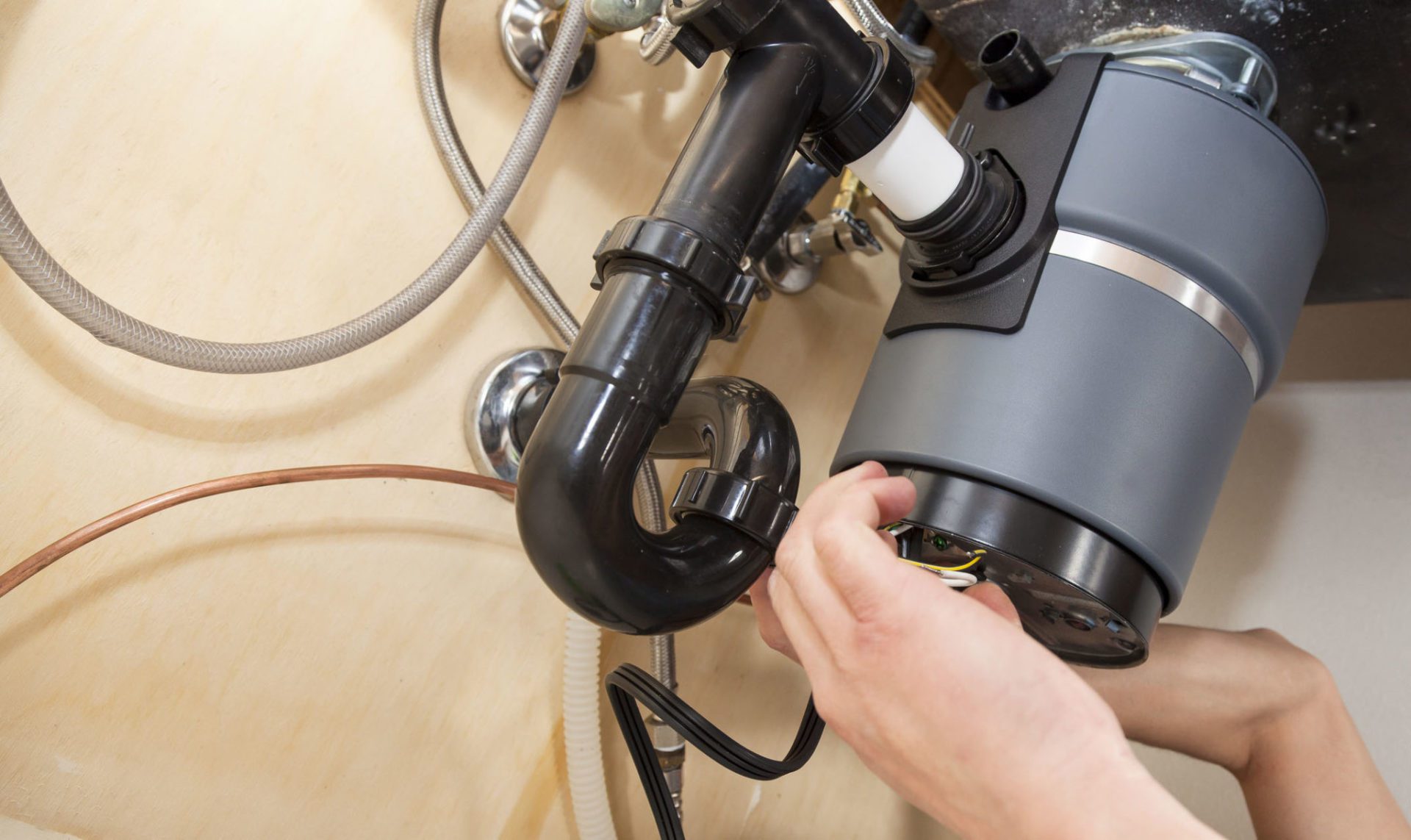
In the realm of modern kitchen conveniences, garbage disposals are the unsung heroes that significantly contribute to both sustainability and ease of living. These discreet devices, often overlooked, play a vital role in reducing our environmental footprint and simplifying our daily routines.
A Sustainable Shift
The world is becoming increasingly conscious of its ecological impact, and small changes at the individual level can collectively make a monumental difference. Garbage disposal are an embodiment of this concept. Traditionally, organic kitchen waste would find its way into landfill sites, contributing to methane emissions – a potent greenhouse gas. However, with a garbage disposal unit, these scraps are ground down into fine particles that can be treated at wastewater treatment plants, where they are converted into biogas or used as fertilizer. This transition from disposal to repurposing creates a sustainable cycle that reduces landfill pressure and aids in the production of renewable energy sources.
Efficiency Redefined
The convenience offered by garbage disposals is immeasurable. In a fast-paced world, time is of the essence, and these devices save valuable minutes otherwise spent on scraping plates into trash cans. With a simple flick of the switch, food waste is efficiently disposed of, eliminating unpleasant odors and the need for frequent trash emptying. This efficiency not only streamlines kitchen activities but also promotes a hygienic living environment by minimizing the chances of pest infestations attracted by decaying waste.
A Few Considerations
While garbage disposals are undoubtedly ingenious, a few considerations can ensure their optimal and responsible use. Firstly, not all types of food waste should be fed into the disposal. Non-biodegradable items, bones, and fibrous materials like corn husks can damage the unit. Secondly, the usage of cold water during disposal is recommended, as it aids in solidifying any grease or oils, preventing potential clogs. Regular maintenance, such as grinding ice cubes or citrus peels, can also help keep the disposal clean and odor-free.
Addressing Misconceptions
Misconceptions regarding garbage disposals still persist. Many believe that using them can strain the sewage system. However, modern sewage systems are well-equipped to handle the fine particles generated by disposals. Additionally, concerns about water wastage are unfounded, as the water used during disposal is minimal compared to the volume saved by reducing landfill-bound waste.
The Way Forward
As technology advances and ecological consciousness deepens, the evolution of garbage disposals is inevitable. Manufacturers are continually refining their designs to enhance efficiency, minimize noise, and further reduce their environmental impact. Additionally, ongoing public education is crucial to dispel myths, emphasize responsible use, and ensure the longevity of these devices.
In conclusion, garbage disposals are more than just convenient kitchen appliances – they represent a tangible way to contribute to a sustainable future. By diverting organic waste from landfills, they help mitigate climate change while making our lives simpler and more efficient. As we move forward, embracing these innovations and understanding their benefits can pave the way for even more eco-friendly solutions in our daily lives. So, the next time you flip that switch and hear the gentle hum of your garbage disposal, remember that you're not just saving time; you're playing your part in a greener world.