Navigating the Future The Unfolding Era of Autonomous Delivery Robots

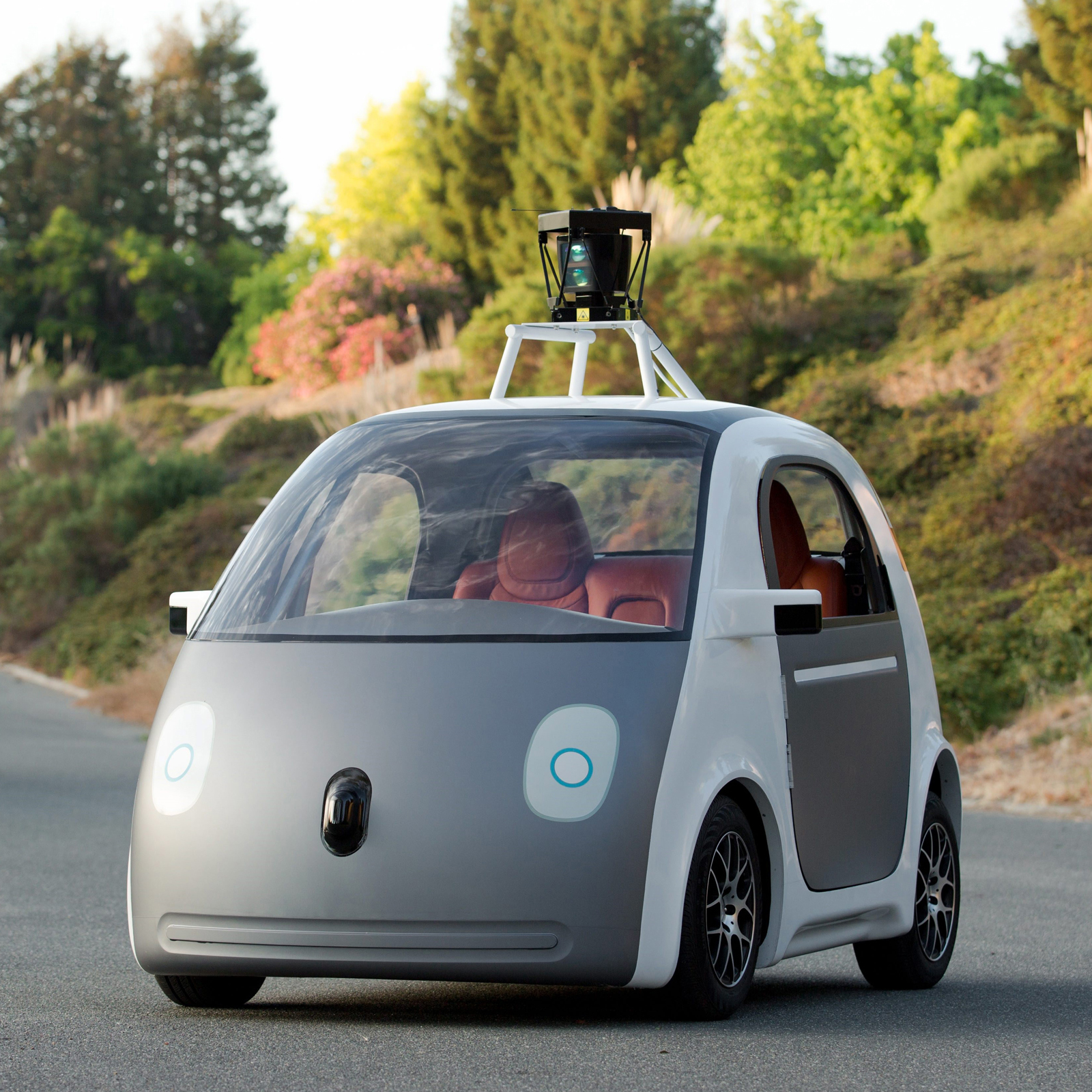
Emergence of Autonomous Delivery Robots
The advancement of technologies such as artificial intelligence, robotics and automation is facilitating the development of autonomous systems that can perform tasks independently without any human intervention. One such application of autonomous systems is Autonomous Delivery Robots that can transport goods from one place to another without any human assistance. These robots have the potential to revolutionize the delivery and logistics industry.
Rise of Delivery Robots
With the continuous growth in e-commerce and need for quick deliveries, companies are exploring autonomous delivery robots as a viable solution. Several startup companies like Starship Technologies, Nuro and Marble have already developed and deployed autonomous delivery robots for testing in various cities across the world. These robots use technologies like computer vision, sensors, GPS and AI for navigation. They can drive autonomously on sidewalks and navigate traffic lights and pedestrian crossings to reach the destination.
Some key advantages of using delivery robots include lower operating costs compared to human delivery agents, ability to operate 24/7 and reach remote locations. During the ongoing pandemic, contactless deliveries through robots help maintain social distancing. Many restaurants and retail stores have partnered with robot delivery companies to deliver food and packages within a few mile radius. The early adoption has shown promising results and indicated that autonomous robots can handle up to 30% of deliveries in the near future.
Challenges in Wide Adoption
However, for autonomous delivery robots to become mainstream, they need to overcome certain challenges. One of the major challenges is regulating the use of robots in public spaces and ensuring safety of pedestrians and other vehicles on the road. Robots need sophisticated navigation systems that can detect and avoid obstacles efficiently in uncontrolled outdoor environments. Any accidents involving robots can raise legal and privacy issues as well.
Reliability is another concern for autonomous delivery. Robots may malfunction or break down during operations due to technical glitches, damaged parts or harsh weather conditions like rain and snow. Companies need to develop robust systems that can keep functioning consistently in all environments. Public acceptance is also a challenge since people are unfamiliar with robots roaming the streets. Educating people about safety measures can help gain their trust over time. High upfront investment costs for developing and deploying fleets of delivery robots can be a deterrent for small businesses.
Regulations and Standards
To address these challenges and enable scale up of delivery robot services, regulations and standards need to be developed. Several cities and countries have started framing rules for registration of robots and establishing operational guidelines. For example, the UK government came up with a code of practice to allow delivery robots on streets. The code includes safety checklist, maximum speed limit, minimum noise level requirements. Singapore passed a bill to legalize use of autonomous vehicles including delivery bots on footpaths.
Standardization of key components like navigation systems, emergency stops, communication protocols etc. through organizations like IEEE and SAE can boost reliability and safety. Similar to driver's license for vehicles, "robot operators" may need certifications demonstrating competence to supervise fleets remotely. Establishing dedicated lanes for robot mobility on sidewalks and special zoning for testing can reduce risks initially. Insurance policies for robots would address liabilities in case of any untoward incidents. Overall, a comprehensive regulatory framework is essential to realize the true potential of autonomous delivery robots.
Future of Autonomous Deliveries
Once all technical and regulatory aspects are addressed, autonomous delivery robots are expected to grow exponentially in the coming years. Several companies are working on more advanced prototypes with longer range, variable payloads and capabilities like curb climbing. Partnerships between robot startups and big retailers/food chains will facilitate large scale pilots. Deliveries of packages, groceries, takeout food, prescription drugs etc. through robots within a 5-10 mile radius of cities will become quite common.
Fully driverless trucks capable of long distance cargo hauling on highways are also under development. Combining robot delivery last miles with autonomous long haul trucks can revolutionize logistics. In the long run, autonomous systems may replace nearly 30% of existing delivery fleets and save billions in operational costs according to various estimates. They will redefine how goods are transported and delivered, creating new business models and job opportunities. Widespread adoption of autonomous delivery robots holds tremendous potential to make deliveries safer, more sustainable and accessible for all.
Get more insights on this topic :