Lithium Hydroxide: A Catalyst for Advancing Green Technology and Clean Energy Initiatives

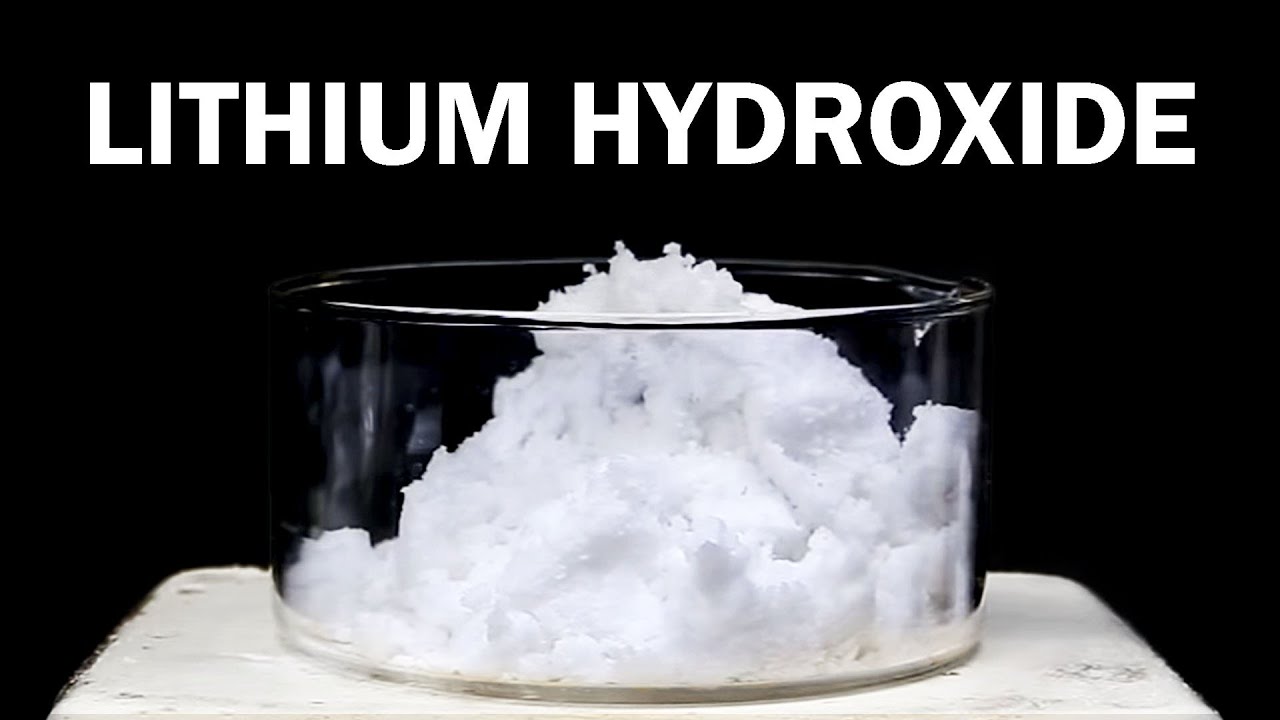
Lithium hydroxide, with the chemical formula LiOH, is a crucial compound that has gained significant importance across various industries due to its unique properties and applications. It is an alkali hydroxide, produced through the reaction of lithium carbonate and water. This compound plays a vital role in modern technology, particularly in the energy and chemical sectors. With the growing demand for sustainable energy solutions and the rapid expansion of the electric vehicle market, lithium hydroxide has emerged as a key player in powering the future.
Properties and Production
Lithium hydroxide exists as a white, crystalline solid, and it is sparingly soluble in water. One of its most remarkable attributes is its high alkalinity, making it suitable for neutralizing acidic substances. The production of lithium hydroxide involves the reaction of lithium carbonate with water or with an appropriate base such as calcium hydroxide. It is also commercially produced as a by-product of lithium mining and extraction processes.
Lithium Hydroxide in Lithium-ion Batteries
The primary application of lithium hydroxide lies in lithium-ion batteries, which have revolutionized portable electronics and electric vehicles. Lithium-ion batteries operate on the principle of the movement of lithium ions between the positive and negative electrodes during charge and discharge cycles. Lithium hydroxide plays a vital role in facilitating this ion movement. Its high alkalinity allows it to react with lithium carbonate and other lithium compounds to produce cathode materials like lithium cobalt oxide (LiCoO2) and lithium iron phosphate (LiFePO4). These cathode materials are crucial for high-performance lithium-ion batteries that offer higher energy densities and longer lifespans.
Ceramics and Greases
Beyond batteries, lithium hydroxide finds applications in ceramics and greases. In the ceramics industry, it is used for glazing and enhancing the properties of ceramics, such as increasing their resistance to heat and chemicals. In the manufacturing of greases, lithium hydroxide is combined with fatty acids to produce lithium-based greases, which offer excellent lubrication and stability under a wide range of temperatures.
Carbon Capture and Life Support Systems
Lithium hydroxide plays a significant role in carbon capture systems, especially in closed environments like spacecraft, submarines, and space stations. It acts as a carbon dioxide (CO2) scrubber, absorbing CO2 and transforming it into lithium carbonate, which can be stored or processed further. In life support systems, lithium hydroxide cartridges are used to maintain breathable air by removing carbon dioxide exhaled by astronauts or divers.
Conclusion
In conclusion, lithium hydroxide is an essential compound with diverse applications across several industries. Its role in lithium-ion batteries has been pivotal in driving the electric vehicle revolution and enabling portable electronic devices. Additionally, its presence in ceramics, greases, and carbon capture systems showcases its versatility and value in various sectors. As the world continues to shift towards clean energy solutions, the demand for lithium hydroxide is only expected to grow, making it an indispensable component in shaping a sustainable future.