Efficient and Resilient Telecom Power Solutions for Uninterrupted Connectivity

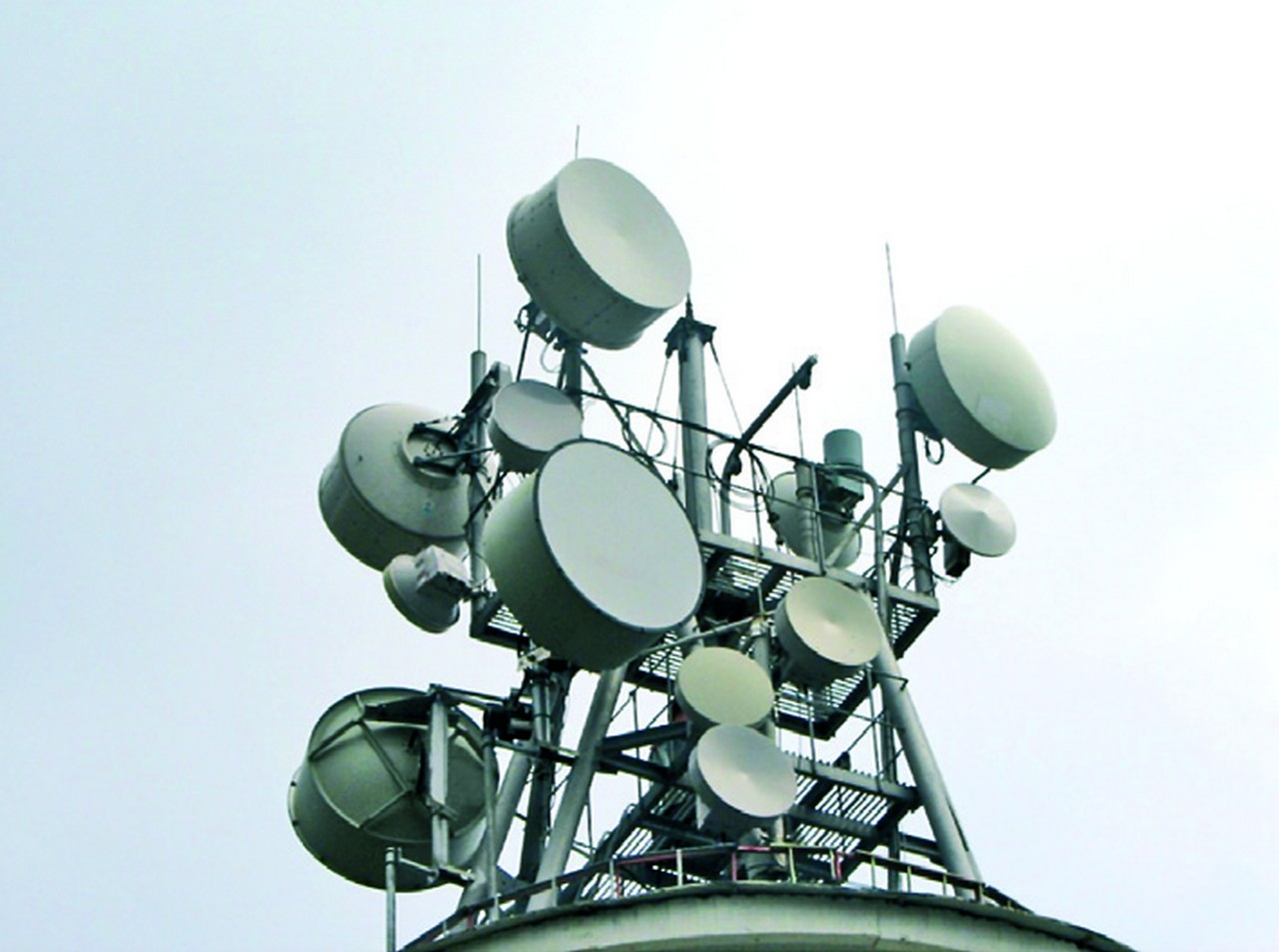
In today's digital age, uninterrupted connectivity is a necessity for businesses and individuals alike. Telecom power systems play a critical role in ensuring the continuous and reliable operation of telecommunication networks. These power solutions are designed to meet the unique demands of the telecommunications industry, providing efficient and resilient power supply to support a vast array of communication services.
One of the key features of efficient telecom power systems is their ability to optimize power usage. With the increasing demand for data and communication services, telecom networks must handle substantial loads efficiently. Advanced power systems employ technologies like power factor correction and energy management to minimize wastage and ensure that power resources are utilized optimally. Additionally, telecom power solutions often integrate renewable energy sources, such as solar or wind power, into their infrastructure, further reducing the carbon footprint and dependency on traditional fossil fuels.
Resilience is another vital aspect of telecom power systems, ensuring uninterrupted connectivity even in challenging conditions. These systems are designed to withstand extreme weather events, voltage fluctuations, and power grid instabilities. Backup power solutions, like batteries and diesel generators, are integrated into the system to provide instant power during mains power failures. The seamless switchover to backup power ensures that essential communication services remain functional during emergencies, natural disasters, or routine maintenance.
Furthermore, telecom power systems are designed with remote monitoring and management capabilities. Real-time monitoring of power consumption, system health, and battery status allows operators to proactively identify potential issues and take preventive measures to avoid service disruptions. Remote management capabilities also enable operators to perform system adjustments, updates, and troubleshooting from a centralized location, reducing the need for on-site interventions and improving operational efficiency.