Ultrasonic Sensors: Unleashing the Power of Sound in Sensing Technology

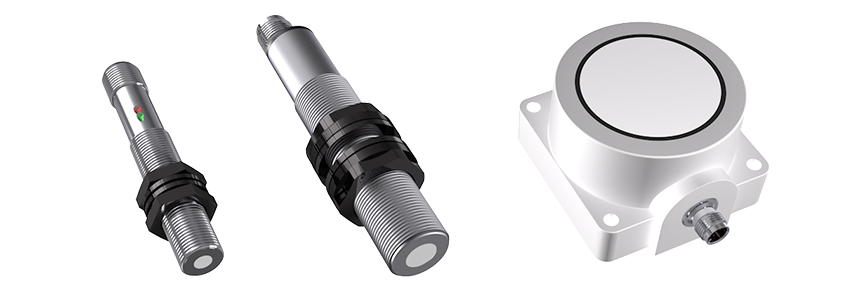
In the world of sensing technology, ultrasonic sensors stand out as remarkable devices that harness the power of sound waves to detect and measure various phenomena. These sensors utilize ultrasonic waves, which are sound waves with frequencies higher than the upper limit of human hearing, to precisely detect objects, distances, and movements in their vicinity. The unique capabilities of ultrasonic sensors make them indispensable in a wide range of applications, from industrial automation and robotics to automotive systems and medical devices.
One of the key strengths of ultrasonic sensors lies in their ability to accurately measure distances and detect objects without physical contact. By emitting ultrasonic pulses and measuring the time it takes for the sound waves to bounce back after hitting an object, ultrasonic sensors can calculate the distance between the sensor and the object. This non-contact approach is particularly advantageous in applications where physical contact may not be feasible or could introduce errors. For example, in manufacturing and warehouse settings, ultrasonic sensors are used for object detection, presence monitoring, and precision distance measurements, enhancing safety and efficiency in automated processes.
Moreover, ultrasonic sensors demonstrate excellent performance in challenging environments, where factors like dust, smoke, or adverse weather conditions can impact other sensing technologies. Ultrasonic waves are relatively immune to interference from such elements, ensuring consistent and reliable sensing capabilities even in harsh conditions. This resilience makes ultrasonic sensors ideal for outdoor applications, such as parking assist systems in vehicles, where accurate distance measurements are essential for safe maneuvering.