Traffic Sensor: Navigating Smarter and Safer Roads

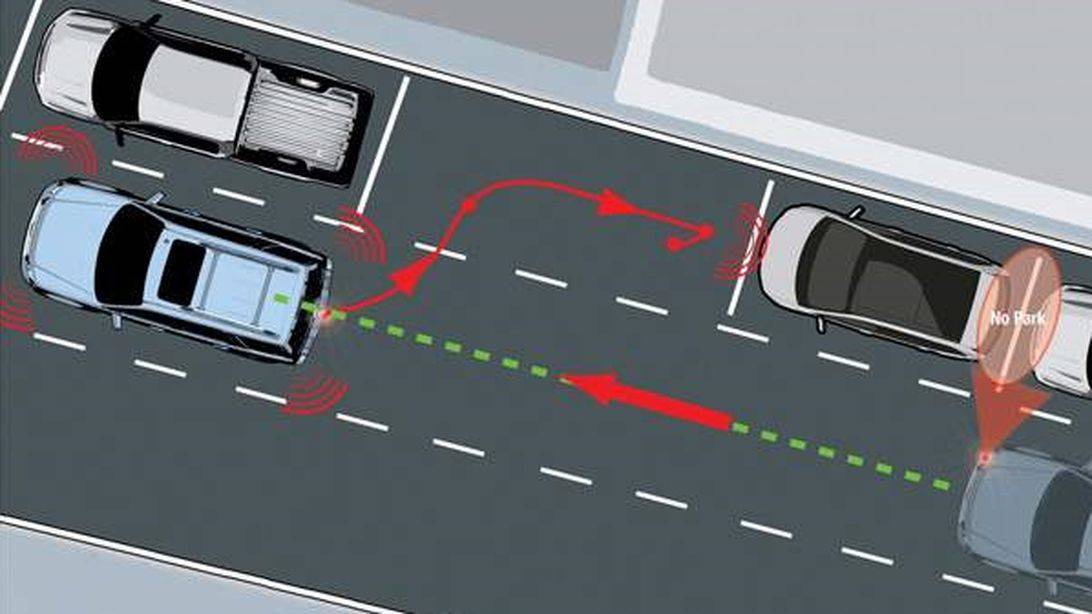
In the bustling tapestry of urban life, the role of technology in enhancing traffic management and safety cannot be overstated. At the heart of this transformation lies the unassuming yet indispensable traffic sensor. These unobtrusive devices, strategically positioned at intersections and thoroughfares, act as silent sentinels, collecting real-time data that enables cities to optimize traffic flow, reduce congestion, and ultimately create safer roadways.
Traffic sensors operate as the eyes and ears of smart cities, feeding a constant stream of information to traffic management centers. By monitoring vehicle movements, density, and speed, these sensors facilitate dynamic adjustments to traffic signals, synchronizing lights to ensure a smoother commute. This not only minimizes frustrating stop-and-go patterns but also contributes to reduced fuel consumption and emissions, aligning with sustainable urban initiatives.
Moreover, traffic sensors play a vital role in enhancing road safety. They can detect incidents such as accidents or road hazards and relay this information to emergency services, enabling quicker response times. Additionally, the data collected by these sensors aids in identifying high-risk areas, facilitating targeted interventions to improve safety for pedestrians, cyclists, and drivers alike.
As urban populations continue to grow and traffic congestion becomes an ever-present challenge, the importance of traffic sensors in shaping the future of transportation cannot be overlooked. These unassuming devices quietly orchestrate the symphony of urban mobility, transforming chaotic intersections into harmonious flows of traffic and contributing to safer, more efficient, and ultimately smarter cities.