Social Gaming: The Emergence of a New Trend

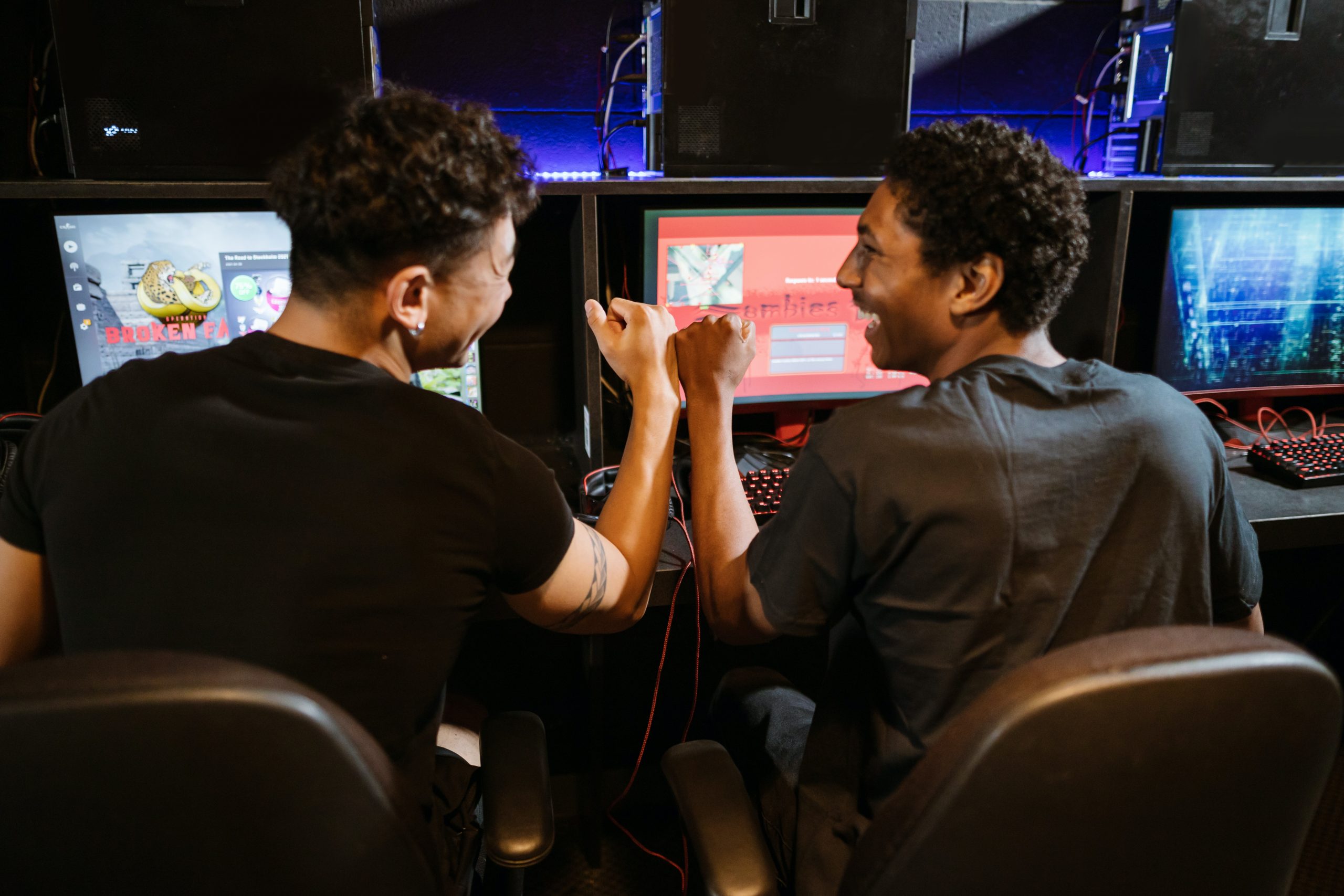
Over the last decade, social gaming has exploded in popularity across the world. By connecting people through games played on their smartphones, tablets and computers, social gaming allows individuals to socialize and compete with friends in an interactive medium.
The Rise of Casual and Mobile Games
As internet and smartphone usage grew rapidly in the 2000s, a new category of casual and mobile games emerged that could be played in short sessions on the go or during breaks. Games like Angry Birds, Candy Crush Saga and Words With Friends allowed people to quickly kill time or compete with friends scores in intuitive, easy-to-play formats. Their accessibility and social elements made them immensely popular, especially among casual gamers new to gaming. By exposing a wide audience to gaming who may not have considered themselves "gamers" traditionally, these games helped normalize gaming.
Growth of Social Features
To capitalize on the growing mobile market and draw in more players, game developers incorporated sophisticated social features into their titles. Games began allowing players to compete on public leaderboards, join clans or alliances with other players, and challenge friends directly. Facebook also became a popular platform to play and invite friends to mobile games. These social hooks proved tremendously engaging for players, giving them a continued reason to play longer, check scores daily and interact with others. Social Gaming also encouraged viral spread through friends inviting more friends.
Rise of Multiplayer Online Battle Arena (MOBA) Games
As graphical capabilities improved on mobile, more core PC/console-style games became viable on mobile as well. A breakthrough genre was multiplayer online battle arena (MOBA) games like League of Legends: Wild Rift and Mobile Legends: Bang Bang which pit teams of players against each other in competitive real-time strategy battles. Supported by robust eSports scenes, MOBAs delivered thrilling player-vs-player action and strategic depth. Their free-to-play formats with in-app purchases made them widely accessible as social gaming apps. MOBAs today number among the most-played mobile games worldwide.
Social Gaming Meets Streaming
In the 2010s, services like Twitch emerged allowing people to not just play games but also stream and watch others play live. Top streamers drew millions of subscribers as a new form of interactive media entertainment was born. Games with engaging social/competitive elements like Fortnite proliferated on these platforms, as spectators tuned in to watch popular streamers and pro players battle it out. Suddenly beyond just playing games, anyone could become a gaming entertainer with a large interactive audience. This further grew social gaming's cultural significance and reach.
Establishing Camaraderie and Competition
By their very nature, social games encourage bonding over friendly competition. Built-in chat features, player profiles, clan/crew systems cultivate camaraderie between regular players. Top clans organize world-wide with dedicated members coordinating strategies to climb leaderboards. Game anniversaries or seasonal events give the community shared experiences to look forward to. Meanwhile, player-vs-player modes satisfy the competitive spirit, whether squaring off 1v1 or battling as a team. ESportsaspirations further professionalize competition at the highest tiers for some games.
Positive and Negative Impact on Society
On one hand, social gaming brings people together from across geographical and social divides through a common interactive passion. It provides a creative outlet and stress-buster to gaming fans, especially amid COVID lockdowns. However, some experts warn of gaming addiction and a disconnect from real-world socializing if overdone. As with any technology, moderation and balance are key to reap gaming's benefits while avoiding potential downsides. More research ongoing works to better understand both facets of gaming's social impact.
Future of the Industry
With gaming now one of the most popular forms of entertainment worldwide, social gaming looks poised for continued growth. 5G cellular networks will enhance mobile gaming experiences, while cross-platform compatibility increases social communities across devices. Augmented and virtual reality are expected to take interactive gaming to new immersive heights. Live game shows are exploring blending gaming with competitive reality television formats. As technology and games evolve, so will the rich variety of ways people will connect through this interactive social medium. Social gaming has truly cemented itself as a dominant trend shaping entertainment and communities globally.
Get More Insights on this Topic- https://www.newswirestats.com/social-gaming-the-rising-trend-among-millennials/