Self-Healing Grid: Empowering Resilient Energy Infrastructure

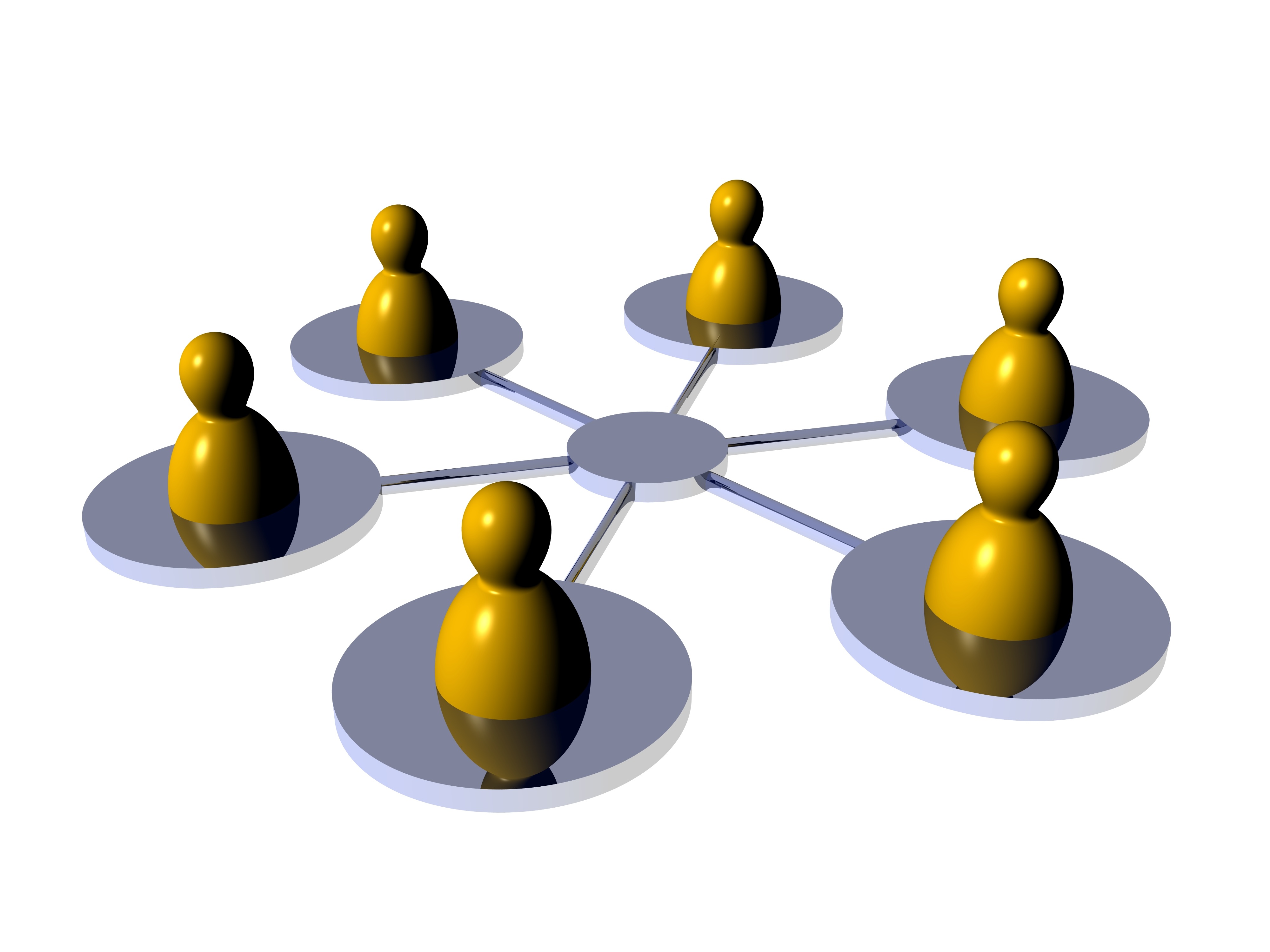
In the realm of energy distribution, the concept of a self-healing grid represents a groundbreaking leap towards resilience and sustainability. This innovative technology ushers in a new era of power distribution, where disruptions caused by faults, outages, or unforeseen events are swiftly identified and rectified, ensuring a seamless and uninterrupted energy supply to communities.
At its core, a self-healing grid utilizes advanced sensors, real-time data analytics, and automation to monitor and respond to changes in the energy distribution network. When a fault is detected, such as a downed power line or an equipment malfunction, the system instantly isolates the affected area and reroutes power through alternative pathways. This rapid response minimizes the impact of disruptions, reducing downtime and inconvenience for consumers while enhancing overall grid reliability.
The benefits of a self-healing grid are far-reaching. It not only improves the reliability of energy supply but also reduces the duration and frequency of outages, leading to increased customer satisfaction. Moreover, by efficiently managing and rerouting power, this technology enhances energy efficiency and minimizes energy losses, contributing to a more sustainable and eco-friendly energy infrastructure.
As the world grapples with the challenges of urbanization, climate change, and the need for reliable energy sources, the self-healing grid emerges as a beacon of hope. It embodies the fusion of technological innovation and energy sustainability, transforming power distribution from a reactive process into a proactive, adaptive, and resilient network that empowers communities with uninterrupted energy access.