From Roads to Rooftops: Wheeled Cranes in Urban Environments

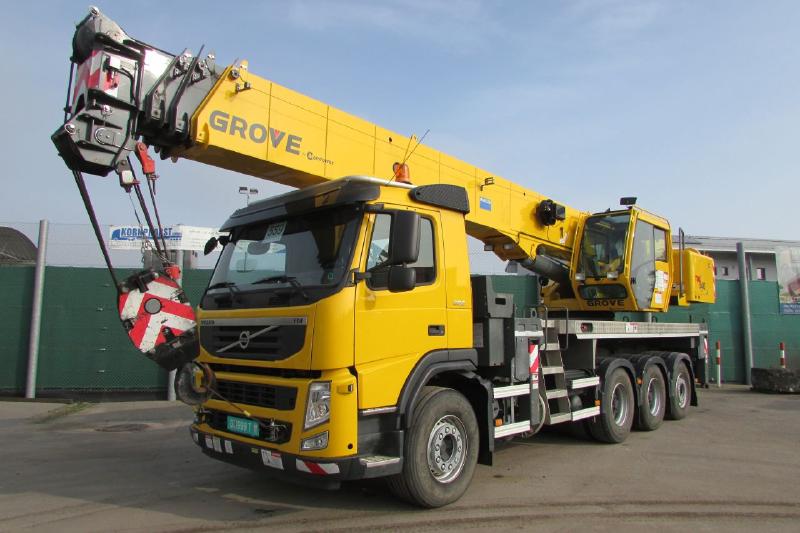
In the bustling landscapes of urban environments, where skyscrapers soar and city streets bustle with activity, the presence of wheeled cranes has become a familiar sight. These towering machines, with their impressive height and maneuverability, play a crucial role in the construction, maintenance, and renovation of buildings and infrastructure within cities around the world.
Urbanization and the Need for Efficient Construction
As cities expand and populations grow, the demand for new buildings and infrastructure continues to rise. From residential towers to commercial complexes and transportation hubs, urban development projects require heavy lifting and precise placement of materials. Wheeled cranes provide the mobility and lifting capacity needed to navigate tight spaces and reach heights that traditional cranes may struggle to access.
Navigating the Concrete Jungle
One of the key advantages of Wheeled Cranes is their ability to maneuver through urban environments with ease. Equipped with rubber tires or tracks, these cranes can traverse city streets, navigate around obstacles, and access construction sites located in densely populated areas. This mobility allows for efficient deployment and minimizes disruptions to traffic and pedestrian flow, making wheeled cranes ideal for urban construction projects.
Building Upward: Skyscrapers and High-Rise Construction
In the realm of high-rise construction, wheeled cranes play a vital role in lifting heavy materials, such as steel beams and precast concrete panels, to great heights. These cranes can be positioned at various levels of a building under construction, enabling materials to be hoisted to upper floors with precision and efficiency. Their ability to navigate narrow streets and operate within confined spaces makes wheeled cranes indispensable for erecting skyscrapers and towering structures in urban settings.
Renovation and Maintenance in Urban Settings
Wheeled cranes are not only used for new construction but also for renovation and maintenance projects within urban environments. Whether it's replacing HVAC units on rooftops, installing façade panels on existing buildings, or lifting heavy machinery for infrastructure upgrades, wheeled cranes provide the lifting power and versatility needed to complete these tasks safely and efficiently.
Meeting the Challenges of Urban Construction
Urban construction presents unique challenges, from limited space and restricted access to noise and environmental concerns. Wheeled cranes are designed to address these challenges, with features such as compact footprints, quiet operation, and reduced emissions. By minimizing disruption to surrounding areas and adhering to strict safety and environmental regulations, wheeled cranes help ensure that urban construction projects proceed smoothly and with minimal impact on residents and businesses.
The Future of Urban Construction
As cities continue to evolve and grow, the role of wheeled cranes in urban construction will only become more prominent. Technological advancements, such as remote monitoring and automation, are transforming the way wheeled cranes are operated and managed, enhancing safety, efficiency, and productivity on construction sites. From navigating congested city streets to lifting materials to dizzying heights, wheeled cranes will remain essential tools for building the skylines of tomorrow's cities.
From roads to rooftops, wheeled cranes are indispensable assets in the urban construction landscape. Their mobility, versatility, and lifting power enable them to tackle the challenges of building in densely populated areas, contributing to the development of vibrant and sustainable cities around the world. As urbanization continues to accelerate, wheeled cranes will continue to play a vital role in shaping the skylines and infrastructure of our modern metropolises.
Get more insights on Wheeled Crane