RNAi Technology: Unraveling the Power of Gene Silencing for Biomedical Advancements

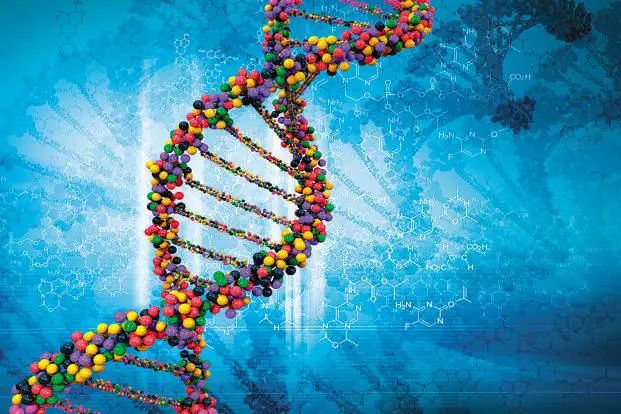
RNA interference (RNAi) is a revolutionary technology that has transformed the landscape of molecular biology and biomedicine. Discovered in the late 20th century, RNAi allows scientists to selectively silence genes by degrading their messenger RNA (mRNA), thereby regulating gene expression. This article explores the principles of RNAi, its mechanisms of action, and the diverse applications it offers in research, therapeutics, and beyond.
The Discovery of RNAi:
The journey of RNAi began with the work of Andrew Fire and Craig Mello, who were awarded the Nobel Prize in Physiology or Medicine in 2006 for their discovery of this phenomenon. This section delves into the groundbreaking experiments that unveiled the RNAi mechanism in nematodes and paved the way for its widespread application in various organisms.
Mechanisms of RNA Interference:
RNAi Technology operates through small RNA molecules, known as small interfering RNAs (siRNAs) or microRNAs (miRNAs), which guide the degradation or translational repression of target mRNA molecules. This section explains the key steps involved in RNAi, from siRNA/miRNA biogenesis to their association with the RNA-induced silencing complex (RISC) and their interaction with target mRNA.
Gene Silencing and Post-Transcriptional Regulation:
RNAi acts as a potent mechanism for gene silencing and post-transcriptional regulation. By specifically targeting mRNA molecules, RNAi can control the expression of genes involved in various cellular processes. This section discusses how RNAi impacts gene expression, and how researchers harness this tool to study gene function and identify potential therapeutic targets.
RNAi Applications in Research:
RNAi technology has become an indispensable tool in scientific research. It enables the targeted knockdown of specific genes, allowing researchers to study the consequences of gene silencing and its role in disease pathways. This section explores the use of RNAi in functional genomics, drug discovery, and disease modeling.
RNAi Therapeutics:
One of the most promising applications of RNAi lies in therapeutics. RNAi-based drugs have the potential to revolutionize medicine by targeting disease-causing genes at the molecular level. This section discusses the development of RNAi therapeutics, including the challenges faced in delivery and the progress in clinical trials for various diseases.
Fighting Viral Infections with RNAi:
RNAi offers a novel approach to combat viral infections. By targeting essential viral genes, RNAi can potentially suppress viral replication and inhibit the spread of infections. This section explores how RNAi is being explored as a therapeutic strategy against viral diseases such as HIV, hepatitis, and respiratory viruses.
RNAi and Cancer Treatment:
Cancer is characterized by abnormal gene expression patterns. RNAi technology holds the promise of personalized cancer therapies by selectively targeting cancer-related genes. This section examines the potential of RNAi in cancer treatment and its role in overcoming drug resistance and enhancing the effectiveness of traditional therapies.
Challenges and Limitations:
While RNAi technology shows great promise, it also faces challenges and limitations. Off-target effects, immune responses, and delivery hurdles are among the key obstacles that researchers are working to address. This section discusses the efforts made to optimize RNAi technology for safe and efficient use.
Future Directions of RNAi:
As technology advances, RNAi is poised to make even greater strides. This section speculates on the future directions of RNAi research, including the development of advanced delivery systems, novel RNAi-based therapies, and potential applications in regenerative medicine and gene editing.
RNAi technology has emerged as a transformative force in molecular biology and biomedicine. From its humble beginnings as a natural defense mechanism in nematodes, RNAi has grown into a powerful tool with diverse applications in research, diagnostics, and therapeutics. As researchers continue to unravel the intricacies of RNAi and overcome its challenges, the potential for innovative biomedical advancements remains immense. The ongoing progress in RNAi technology promises a brighter and healthier future, offering hope for the treatment of previously untreatable diseases and unlocking new avenues for scientific exploration.