The Rise of LED Work Lights

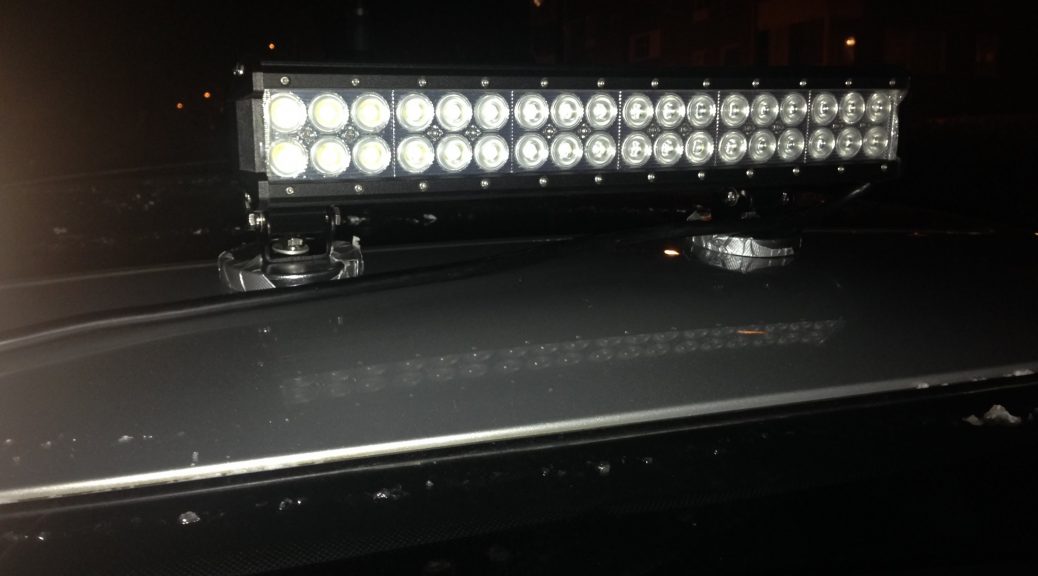
The construction and industrial workplaces have seen a massive shift towards the use of LED lights in the past decade. Traditional incandescent and halogen lighting have been replaced by more energy-efficient and durable LED options.
Energy Efficiency and Lower Cost of Ownership
One of the biggest draws of LED lights is their significantly lower energy usage compared to traditional bulbs. An LED work light can use up to 90% less energy than equivalent incandescent or halogen lights. This results in huge savings on electricity bills over the lifetime of the lights. LEDs also last much longer, with average lifespans of 30,000-50,000 hours compared to 750-2,000 hours for incandescent bulbs. Their longevity means fewer replacement costs and trips to buy new bulbs. Altogether, this leads to a far lower total cost of ownership for LED lights versus other types over several years of use.
Durability and Damage Resistance
LED bulbs are much more durable than incandescent or halogen options. Their solid-state design with no filaments makes them highly resistant to impact, vibration, humidity and temperature fluctuations that commonly damage other bulb types. LEDs can withstand drops, bangs and extreme working conditions without failure. This means they are ideal for tough job sites and industrial applications where breakage is common. Even if physically damaged, LEDs often continue working at reduced output instead of complete failure.
Controllability and Versatility
Modern LED work lights offer far more lighting control options than traditional bulbs. Features like dimming, brightness adjustment, focusable beams, lighting modes and battery level indicators provide unmatched versatility. Multi-head, magnetic and gooseneck designs allow directing light precisely where needed. Integrated sensors turn lights on/off automatically or dim based on movement or ambient lighting conditions. Rechargeable battery packs provide cordless operation for maximum mobility. All these control features dramatically improve work ergonomics, safety and productivity.
Greater Visibility and Focus
LED Work Lights concentrate their full output into a focused, directional beam versus the omni-directional glow of incandescent bulbs. This delivers lighting intensity up to 10 times brighter in the target area. Key advantages are illuminating dark work areas completely without shadows and distractions from stray light spill. Some work lights utilize powerful high-CRI (color rendering index) LEDs to produce output nearly identical to natural daylight for critical inspection and repair work. Multi-head lights allow task lighting from multiple angles simultaneously.
Adoption Across All Industries
Unsurprisingly, the construction industry has seen some of the widest adoption of LED work lights given their extreme duty cycles and tough conditions on job sites. Other major industrial sectors like manufacturing, automotive/transportation, facilities maintenance and agriculture have also made significant switches to LED due to the major performance and cost benefits outlined. Even applications that previously required high-temperature halogen lamps like welding now have suitable LED options. Portable lighting is now commonly LED-based across all industrial and commercial sectors.
New Models and Innovation
Lighting manufacturers are constantly developing new LED work light models to take advantage of technological improvements in LED efficiency, optics, controls, battery technology and more. Innovations include fully adjustable, magnetic and app-controlled lights, multi-head combinations ideal for specific tasks, dedicated lights for confined/harsh environments, and integration with smart building networks. USB-C charging ports, wireless charging and solar charging are expanding battery options beyond standard AC operation. The future potential of LEDs seems limitless as manufacturers strive for brighter, higher CRI, longer lasting and smarter work lighting solutions.
Environmental Impact
The widespread transition from inefficient lighting to LED has delivered dramatic reductions in global energy usage and carbon emissions. When accounting for lower energy needs and longer lifespans versus alternatives, LEDs use up to 90% less energy over their lifetimes. According to the US Department of Energy, transitioning to LED lighting across all applications could reduce US energy consumption 16% and lower electricity bills $30 billion annually. For industrial sectors and worksites that use lighting continuously, the environmental impact is immense. LED work lights play a major role in making commercial/industrial operations more sustainable.
Price Decline Boosts Global Adoption
The prices of LED bulbs and fixtures have dropped rapidly in recent years as manufacturing capabilities have advanced and economies of scale taken effect. Prices have declined over 80% since 2010 and are projected to fall further. LED work lights now cost only marginally more than competing bulb types upfront but save substantially over the life of the product. This price decline has enabled much wider adoption globally, especially in developing nations. Regions like Asia/Pacific and Latin America are installing LED lighting at accelerating rates driven by availability, performance, ongoing savings and environmental benefits versus existing options. Continued price reduction will see LEDs become the predominant lighting technology worldwide within this decade.
From harsh industrial settings to any task requiring high-quality portable lighting, LEDs have revolutionized work lighting. Their incomparable combination of energy efficiency, lifespan, control features, durability and cost savings versus competition makes LED the logical choice for all applications. The performance barriers that initially hindered LED adoption have been surmounted, and manufacturers continue innovating new capabilities. The future of professional and industrial lighting will undoubtedly be defined by LED technology and its environmental and economic advantages. LED lights have established themselves as the premier solution for workplaces across industries worldwide.
Get more insights on this topic: LED Work Lights
Explore More Articles: Locomotive leasing Market