The Rise of the Europe Creator Economy

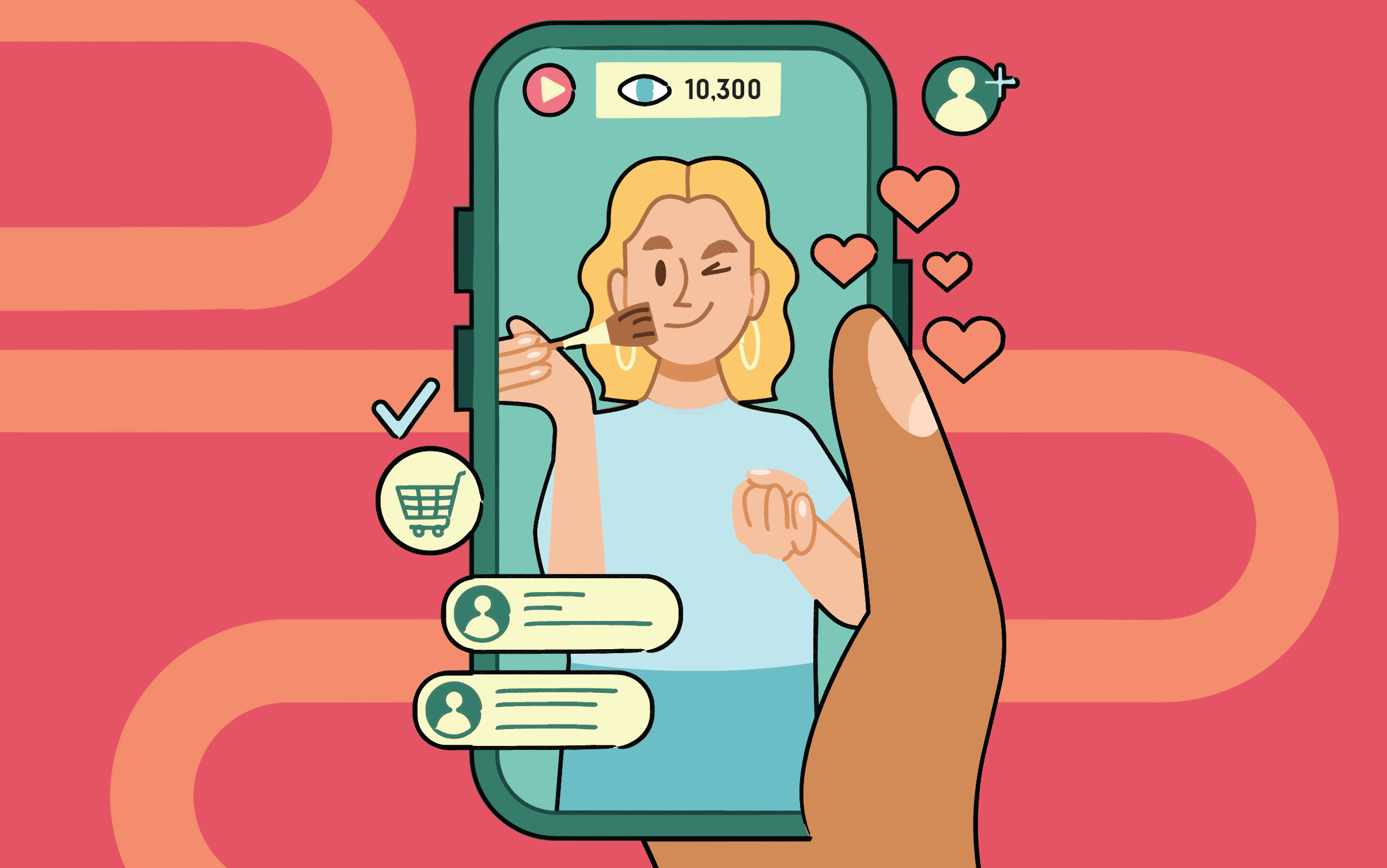
The creator economy, driven by digital technologies, online platforms and social media, has transformed how individuals can generate income from their talents and passions. This new sector has seen tremendous growth in Europe in recent years and is disrupting traditional industries while opening up new opportunities.
Emergence of New Digital Creators
The widespread adoption of smartphones, high-speed internet access and new online platforms have lowered the barriers to becoming a digital creator. Today, anyone with a mobile device and internet connection can generate and share content online like never before. This has enabled the rise of a new breed of digital creators across Europe - YouTubers, Instagrammers, podcasters, Twitch streamers and more.
Millions of Europeans have embraced their inner creativity and started influencer careers by building audiences and communities online. Some of the most popular European creators have millions of followers across multiple platforms. For example, Zoella from the UK has over 11 million subscribers on YouTube where she shares lifestyle and fashion content. Swedish PewDiePie, aka Felix Kjellberg, is the most subscribed YouTuber globally with over 110 million subscribers for his gaming videos.
The Flexible Lifestyle of Creators
For many Europeans, the Creator Economy presents an attractive alternative to traditional 9-5 jobs. Creators have the flexibility to work from anywhere and set their own schedules. This lifestyle has especially appealed to millennials and Gen Z who value flexibility and independence. Whether it's travel content from the road or gaming streams from home, creators have found ways to monetize their passions while ditching rigid office hours.
The ability to generate income online from multiple revenue streams also diversifies incomes. Creators leverage platforms like YouTube, Instagram, Twitch, Patreon and more to earn money through advertising, sponsorships, subscriptions, online courses, ebooks, and affiliate marketing. This flexibility has been a big draw for many looking to break free from the confines of a conventional career.
Emerging Career Paths
While influencer careers were once seen as niche, the European creator economy is spawning whole new legitimate industries and professions. From travel bloggers to gaming streamers, courses have emerged to help creators develop specialized skills. Agencies also represent top talent, negotiating deals and brand sponsorships.
Universities and colleges across Europe have started offering creator economy and influencer marketing degrees. For example, the UK's University of Wales Trinity Saint David (UWTSD) launched the world's first influencer marketing degree in 2020. Growing demand sees graduates landing jobs in social media management, content strategy, and community building roles.
Sectors Disrupted by Digital Creators
The rise of digital creators has significantly disrupted traditional media and entertainment industries. As audiences shift online, the economics of content creation and consumption have changed dramatically.
For example, the music industry has faced challenges from the creator economy. Artists are leveraging platforms like YouTube, Spotify and TikTok to self-publish singles and build global fanbases independent of labels. This new path to fame has bypassed the traditional model of being "discovered". The rise of solo creators making hit viral songs from their bedrooms has transformed the landscape.
The fashion industry has seen influencers become tastemakers whose endorsements move products. Brands actively court popular Instagrammers and YouTubers for sponsored posts and campaigns. This has created alternative routes to discover and market new designs beyond traditional runways and magazines.
Even professional sports have proved disruptible. Gamers and esports athletes are making careers streaming online leagues and tournaments. Platforms like Twitch allow fans to engage directly with personalities in a way traditional television cannot match. This interactive experience has supercharged fandom and commercial potential for new sports.
Significant Economic Impact
Collectively, the European creator economy is no small enterprise. Research shows it is growing rapidly and having outsized impacts across the region.
- According to a 2021 study, France's creator industry was valued at €1.7 billion and supported 17,000 jobs. It projects over 25,000 creator jobs by 2025.
- In Germany, the sector was estimated at €3.2 billion, with about 25,000 content creators and freelancers. This number is projected to hit 50,000 by 2025.
- The UK's influencer marketing industry alone is worth £8 billion and growing at 30% annually, according to research firms Linqia and IMI.
- Across Europe's major markets, the influencer marketing sector's total revenues could reach €20 billion by 2025.
While still in its infancy, the creator economy has undoubtedly arrived to revolutionize work and culture. With innovation progressing rapidly, its impact is set to grow exponentially in the coming years. As more Europeans embrace lives as digital entrepreneurs, we may look back and see this as just the beginning.
Get More Insights on Europe Creator Economy