Powering Connectivity: The Role of Passive Electronic Components in Modern Technology

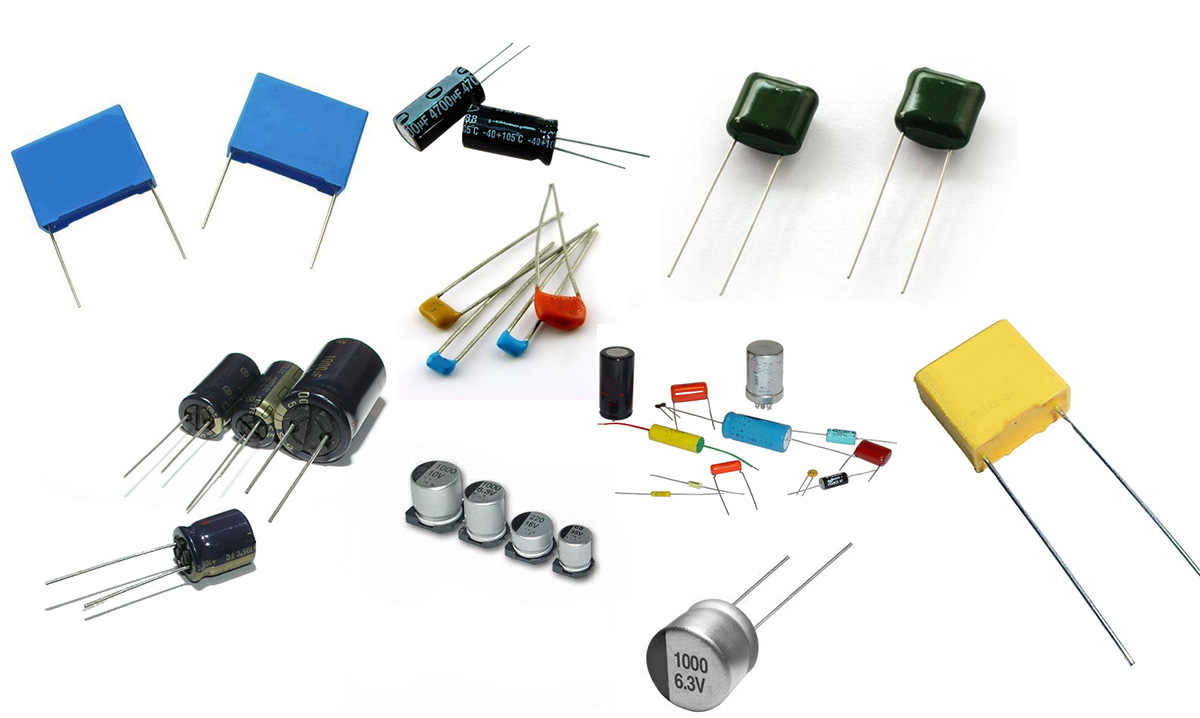
In the fast-paced world of modern technology, electronic devices have become an integral part of our daily lives, connecting us to a vast network of information and communication. Behind the scenes, passive electronic components play a crucial role in powering and enabling this connectivity. These unassuming components, such as resistors, capacitors, and inductors, act as the building blocks that facilitate the smooth operation of electronic circuits and devices.
One of the key functions of passive electronic components is to regulate the flow of current and voltage within electronic circuits. Resistors, for example, control the current passing through a circuit, limiting it to specific values and protecting sensitive components from excessive current. Capacitors store and release electrical energy, helping to smooth out voltage fluctuations and stabilize power supplies. Inductors, on the other hand, store energy in the form of a magnetic field, providing a crucial role in filtering and regulating signals.
Passive electronic components are also essential in signal processing and communication. Filters, composed of passive components, enable the separation of specific frequencies from a signal, allowing for clear and accurate transmission of data. In radio frequency (RF) circuits, inductors and capacitors are employed to tune the frequency of signals, enabling efficient wireless communication.
Moreover, passive electronic components contribute to the miniaturization of electronic devices. As technology continues to evolve, the demand for smaller, lighter, and more efficient devices has become paramount. Passive components play a vital role in meeting these demands, as they can be fabricated in compact sizes and integrated seamlessly into densely packed circuit boards, ensuring that electronic devices remain sleek and portable without compromising on performance.
In conclusion, passive electronic components are the unsung heroes behind the scenes, powering the connectivity and communication that define the modern technological landscape. From regulating current and voltage to filtering and processing signals, these unassuming components play a vital role in the seamless functioning of electronic devices. As the world embraces the Internet of Things (IoT) and advances in connectivity, the importance of passive electronic components will only grow, as they continue to pave the way for a future of innovation and interconnectedness.