NTP Server Reliable Time Synchronization Is Crucial for Server Infrastructure

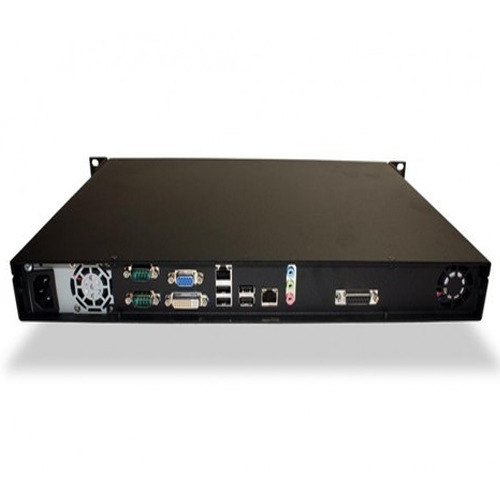
Introduction to Network Time Protocol
Network Time Protocol, commonly referred to as NTP, is a networking protocol that helps synchronize computer clock times in a network of computers. NTP allows servers, desktops, network equipment and other devices to match their internal clocks with a precise time reference, ensuring consistency across various systems. This time synchronization is crucial to maintain continuity in business applications, ensure security of data transfers, facilitate log analysis and more.
How Does NTP Work?
NTP uses User Datagram Protocol (UDP) port 123 to transmit time synchronization packets between NTP servers and client computers. These packets contain the amounts of time adjustment required to set the client computer's clock to match the server's notion of the correct time. NTP Server receive requests from various clients and combine data from multiple servers and stratum levels to provide the most accurate time. NTP utilizes a hierarchical and distributed architecture to ensure reliable timekeeping in a way that is scalable and resilient to network failures or outages.
Importance of Time Synchronization
Accurate time synchronization allows multiple systems to correlate events and order activities consistently. Precise timestamps enable log files and security audit logs across different systems to be analyzed together, identifying anomalies and threats seamlessly. Financial transactions rely on synchronized clocks to sequence orders and operations properly. Data integrity depends on reliably knowing when data was generated, received or processed. In regulated industries like healthcare and finance, compliance demands verifiable timestamps. Having clocks consistently out of sync, even by fractions of a second, can undermine security, auditability and performance of a networked infrastructure.
Choosing an NTP Server
For reliable time synchronization, organizations should configure their internal systems and network equipment to synchronize with an authoritative source. The most common options used are:
- Public NTP servers operated by organizations like National Institute of Standards and Technology (NIST). While free of cost, performance depends on internet connectivity.
- Strategic NTP servers hosted by telecom carriers or cloud providers on their backbone networks. These provide better accuracy than public NTP servers for most locations.
- GPS NTP server with an attached GPS receiver offers the highest accuracy by direct synchronization with atomic clocks. But costs more to purchase and install.
- Internal NTP server configured as a primary time source acts as a single point of contact for synchronization. However, depends on the stratum and stability of its own upstream time source.
Role of NTP in Modern Infrastructure
More than computing devices, modern infrastructure increasingly relies on digitally controlled equipment, industrial automation systems and IoT networks. Synchronized time forms the basis to coordinate their functions together securely and reliably. NTP underlies important capabilities like:
- Time-based access control, distributed intrusion detection/prevention and audit/logging applications for enhanced security monitoring.
- Coordinated scheduled maintenance, remote monitoring and analytics on geographically distributed infrastructure.
- Accurate billing and transaction logs for utilities, transportation systems and shared resource platforms.
- Real-time analytics, asset tracking and orchestration for supply chain management, manufacturing and critical infrastructure.
Challenges with NTP and Optimizing Deployment
While NTP remains the dominant protocol for time synchronization, differences below millisecond level can still exist between client systems. Factors like variable network conditions, device capabilities and sheer scale of modern networks bring new challenges.
- Network congestion or failures can cause intermittent unreachability of NTP servers, impacting accuracy.
- Hardware clocks on older/constrained devices may limit sub-millisecond precision achievable through NTP alone.
- Management overhead grows with number of clients, servers and stratum hierarchies deployed across extensive multi-site environments.
To optimize NTP:
- Employ multiple upstream servers in different locations for redundancy.
- Carefully consider NTP source, stratum hierarchy and client placement for optimal accuracy.
- Supplement NTP with alternatives like PTP for use cases requiring microsecond-level precision.
- Monitor performance through metrics that factor ongoing adjustments against targets.
With diligent configuration, performance monitoring and leveraging complimentary technologies, organizations can derive maximum value from NTP in keeping infrastructure synchronized with required precision. As network connectivity and reliance on distributed services increase, reliable timekeeping will remain a cornerstone of operational efficiency and security posture.
Get More Insights on NTP Server