Navigating Smart Cities: Innovations in Automated Fare Collection

Market Overview:
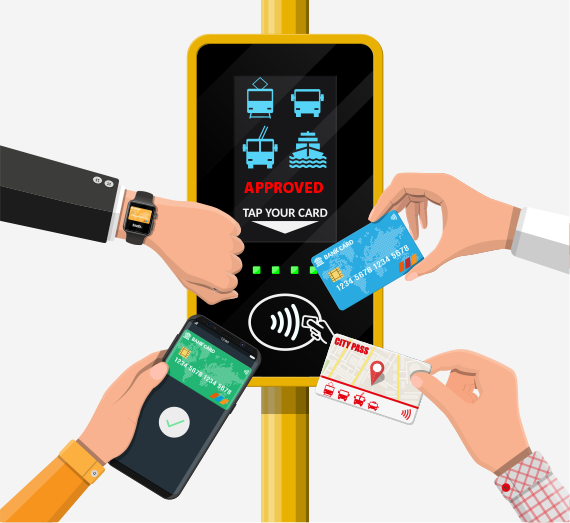
The Automated Fare Collection System Market is a rapidly evolving sector within the global transportation industry. AFC systems are designed to streamline the payment process for public transportation services such as buses, trains, trams, and subways. These systems replace traditional methods of fare collection like paper tickets and tokens with contactless payment methods, such as smart cards, mobile apps, and RFID technology. The primary goal of AFC systems is to improve the efficiency, security, and convenience of fare collection, benefitting both transit agencies and commuters.
Market Dynamics: The AFC System Market has witnessed significant growth in recent years due to several key factors. Firstly, the increasing urbanization and population density in many regions have led to higher demand for efficient and reliable public transportation services. Secondly, the advancement of technology and the proliferation of smartphones have made contactless payment solutions more accessible and convenient for commuters. Thirdly, governments and transit authorities are recognizing the potential of AFC systems to reduce operational costs, combat fare evasion, and enhance data collection for improved service planning.
Moreover, the market dynamics are also influenced by the shift towards sustainable transportation solutions. AFC systems are seen as a crucial component of smart cities, promoting eco-friendly modes of transportation and reducing the carbon footprint of public transit.
Recent Developments: In recent years, the AFC System Market has witnessed several notable developments. One prominent trend is the integration of NFC (Near Field Communication) technology into AFC systems, allowing passengers to simply tap their smartphones or smartcards on readers to pay their fares. This has made the payment process even more seamless and convenient.
Additionally, many AFC systems are now incorporating data analytics and artificial intelligence to optimize routes, predict ridership patterns, and improve overall transit efficiency. This data-driven approach not only benefits transit agencies in terms of cost savings but also enhances the overall commuter experience.
Furthermore, the COVID-19 pandemic accelerated the adoption of touchless payment methods in public transportation to reduce physical contact between passengers and staff. This led to an increased demand for innovative AFC solutions that prioritize hygiene and safety.
In conclusion, the Automated Fare Collection System Market Share is experiencing significant growth driven by urbanization, technological advancements, and the need for sustainable transportation solutions. Recent developments in NFC technology, data analytics, and touchless payment methods are reshaping the industry, making public transit more efficient and convenient for commuters while also addressing the challenges posed by the pandemic. The future of the AFC System Market looks promising as it continues to evolve and adapt to the changing needs of modern transportation.
Related Reports :