Monitoring Tire Health: The Vital Role Of Automotive Tire Pressure Monitoring System

Importance of Maintaining Proper Tire Pressure
One of the most important aspects of vehicle maintenance is ensuring proper tire pressure is maintained. Under-inflated tires can negatively impact fuel economy, traction, and handling as well as shorten tire life. More importantly, under-inflation increases the risk of a blowout which can lead to loss of vehicle control and increase the chances of an accident. The National Highway Traffic Safety Administration estimates that approximately 25 percent of passenger vehicles on the road have at least one significantly under-inflated tire, highlighting the need for monitoring systems to alert drivers of low pressure issues.
How Tire Pressure Monitoring Systems Work
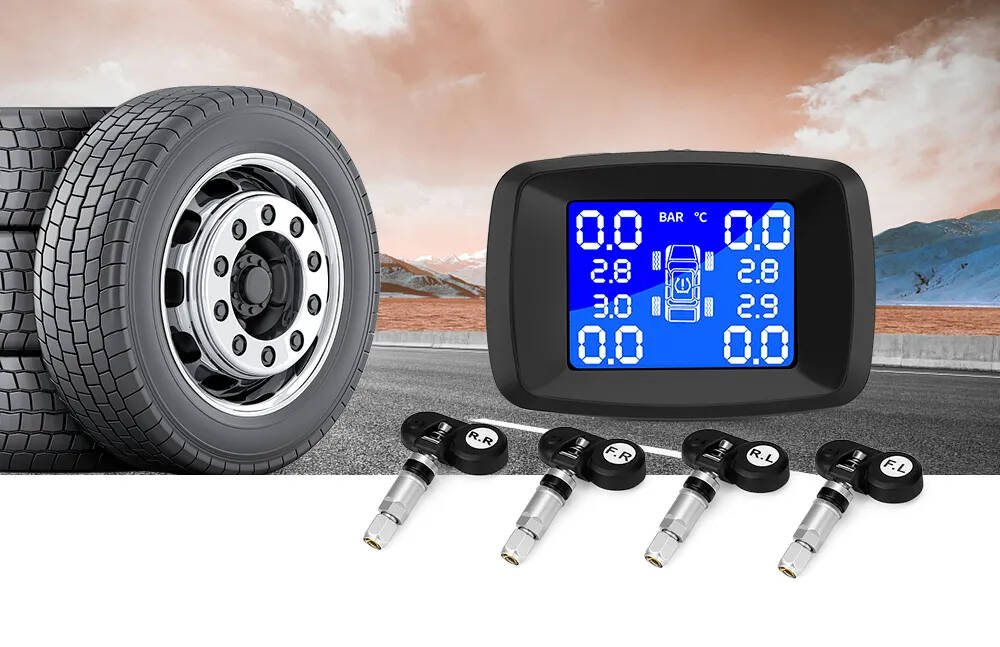
Automotive tire pressure monitoring systems (TPMS) address this issue through wireless sensors located in each tire valve stem. The sensor monitors real-time pressure and temperature data which is transmitted to a central vehicle controller. If pressure in any tire drops by 25 percent or more from the recommended PSI level, the Automotive Tire Pressure Monitoring System will illuminate a low tire pressure warning light in the instrument cluster to alert the driver. Some higher-end systems also display the precise PSI level of each individual tire on the dashboard or infotainment screen for additional convenience.
Early TPMS systems relied on changes in rotational speed to detect pressure loss but would sometimes produce false readings. Modern direct TPMS sensors transmit data multiple times per minute for more accurate pressure measurements. The sensors are powered by batteries which last 5-10 years depending on vehicle use and climate. When the battery reaches the end of its lifespan, only the sensor needs replacing while the rest of the system remains operational.
Regulatory Requirements and Adoption Rates
To address safety concerns over underinflated tires, the U.S. National Highway Traffic Safety Administration mandated in 2007 that all new passenger vehicles sold in the country must include a TPMS. Similar regulations were implemented by Transport Canada and the European Union in subsequent years. As a result, adoption of the technology has increased rapidly across all vehicle classes in North America and around the world. Today an estimated 97 percent of new passenger vehicles now leave the factory equipped with TPMS as standard.
This widespread use of monitoring systems has led to measurable safety benefits according to studies. Research from the University of Michigan Transportation Research Institute found a 20 percent reduction in blowout-related crashes after the NHTSA rule went into effect. TPMS has likely saved many lives through early detection of low pressure conditions before failures occur on the roadway. With regulations moving the technology into trucks and larger commercial vehicles as well, its lifesaving potential will only increase in coming years.
Indirect vs Direct TPMS
There are two main types of TPMS in use - indirect and direct. Indirect systems, as described earlier, infer pressure losses through changes in rotational speed detected by the ABS sensors in each wheel. While an inexpensive option, they face limitations in accuracy and are being phased out.
Direct TPMS sensors implanted in each wheel have thereby become the industry standard. These battery-powered smart sensors continuously monitor air pressure and temperature then transmit the readings directly to the vehicle's controller. More precise pressure measurement allows direct systems to trigger the warning light at the 25 percent threshold regulation with fewer false readings. Automakers now outfit the majority of new vehicles with direct TPMS for its improved reliability and performance.
Future Advancements and Applications
Continued technology development aims to enhance the safety benefits offered by TPMS. Advanced systems now provide additional tire condition data beyond just pressure such as tread depth, sidewall damage, and exact location information when issues occur. Cloud connectivity may soon allow remote diagnosis by auto technicians. As sensors become even smaller and longer-lasting, the potential for expanded usage grows as well.
Manufacturers are beginning to explore integrated TPMS for commercial trucks, construction vehicles, off-road equipment and agricultural machinery. Early warning of low pressure on large commercial tires could prevent accidents and costly downtime on job sites. Applications may expand further into specialized vehicles like airplanes, boats and industrial equipment. With its proven record of improving roadway safety, tire pressure monitoring looks poised to become a standard lifesaving technology across all forms of transportation in the decades ahead.
Get more insights on Automotive Tire Pressure Monitoring System