Mind and Machine Merge: Exploring the Possibilities of Brain-Computer Interfaces

Introduction
The realm of science fiction has long tantalized us with visions of seamlessly integrating the human mind with technology. Today, such ideas are no longer confined to the realms of imagination. Advancements in neuroscience and technology have paved the way for the development of Brain-Computer Interfaces (BCIs), a groundbreaking technology that enables direct communication between the brain and external devices. This article delves into the exciting world of BCIs, exploring their potential, applications, and ethical considerations.
Understanding Brain-Computer Interfaces
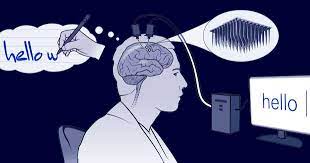
Brain-Computer Interfaces (BCIs) are communication systems that bridge the gap between the human brain and external devices, such as computers or prosthetics. They work by detecting, analyzing, and interpreting the electrical signals generated by the brain. These signals, known as brainwaves, encode our thoughts, intentions, and actions. BCIs then translate this neural activity into meaningful commands that can be used to control devices, interact with virtual environments, or aid in medical treatment.
Applications of Brain-Computer Interfaces
The potential applications of BCIs are vast and diverse, holding the promise of transforming various fields and enhancing the lives of individuals. Some of the most exciting applications include:
- Assistive Technologies: BCIs offer new possibilities for individuals with physical disabilities, allowing them to regain independence and control over their environment. By using their thoughts to control robotic limbs or interfaces, paralyzed individuals can perform daily tasks and interact with the world in unprecedented ways.
- Neurorehabilitation: BCIs show promise in stroke recovery and rehabilitation for individuals with neurological disorders. They can facilitate brain plasticity and aid in restoring motor functions through neurofeedback and cognitive training.
- Communication and Augmentation: BCIs can enable direct communication for individuals with severe speech and motor impairments. Moreover, they hold the potential to augment human cognitive abilities, allowing faster information processing and enhanced memory.
- Virtual Reality and Gaming: BCIs can revolutionize the gaming industry and virtual reality experiences. By immersing users in a world where their thoughts control the environment, BCIs could create entirely new levels of interaction and immersion.
- Mind-Controlled Devices: From smart home systems to drones, BCIs could enable the control of various devices with just our thoughts, making our interactions with technology more seamless and intuitive.
Challenges and Ethical Considerations
While BCIs present incredible opportunities, they also raise significant challenges and ethical dilemmas:
- Privacy and Security: BCIs involve collecting sensitive neural data, raising concerns about data privacy and security breaches. Safeguarding users' brainwave data is crucial to protect their privacy and prevent unauthorized access.
- Informed Consent and Autonomy: As BCIs advance, questions about informed consent and the potential impact on personal autonomy arise. Users must fully understand the implications and risks associated with using BCIs.
- Neuroethics: BCIs capable of enhancing cognitive abilities may lead to ethical questions about fairness, equality, and potential social divisions between those with and without access to such technologies.
- Long-term Effects: The long-term effects of continuous interaction between the brain and technology are still largely unknown. Ensuring the safety and well-being of users is of paramount importance.
Conclusion
Brain-Computer Interfaces represent a paradigm shift in human-machine interaction, offering a profound integration of mind and technology. Their potential applications span various fields, from medical rehabilitation to gaming and communication. However, as this technology continues to advance, addressing ethical considerations and ensuring data privacy becomes critical. While the possibilities are exciting, the responsible development and implementation of BCIs will shape the future of human-machine merge and influence society at large. As we embark on this journey, it is essential to balance innovation with ethical considerations to harness the full potential of Brain-Computer Interfaces for the betterment of humanity.