Location-Based Services: Enhancing Customer Experiences Through Location Intelligence

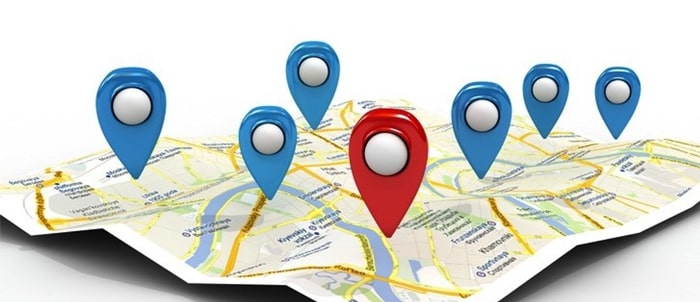
The Rise of Location-Based Applications
As smartphones and other mobile devices have become ubiquitous, the development of location-based applications and services has surged. Nearly all smartphones now come equipped with GPS capabilities and other means of determining a user's precise location. Applications are able to tap into this location data to provide customized, localized experiences for users. From navigation and mapping to recommendations for nearby businesses, location intelligence is powering some of the most engaging and popular mobile apps in use today.
Popular location-based services like Google Maps, Waze and Apple Maps have revolutionized how people get from place to place. Leveraging a user's GPS coordinates, these navigation apps provide turn-by-turn directions that work seamlessly whether traveling by car, public transportation or on foot. The apps also deliver real-time traffic updates and alternatives to help users avoid delays. Beyond navigation, mapping capabilities allow exploration of new areas and discovery of points of interest.
Finding Nearby Services and Amenities
Another large category of Location-Based Services focuses on helping users find services, businesses and amenities close to their current location. Yelp, Foursquare and other review platforms populate search results based on a user's GPS location to surface relevant nearby restaurants, shops, attractions and more. Reviews, photos, menus and contact details empower discovery.
For essential services, apps like Google's "Near Me" make it effortless to locate the closest gas stations, ATMs, pharmacies, parks and other facilities using one's present whereabouts. Hospital apps guide patients and visitors to the appropriate entrances, departments or health providers on a campus based on GPS coordinates. Real estate search and rental listing apps equally incorporate a user's location to prioritize neighborhood listings.
Dining recommendations and reservations, entertainment discovery, last-minute shopping - location services open up a world of hyperlocal discovery possibilities. By tapping into geotagged data sources, these apps foster meaningful connections between businesses and potential customers within a short distance. The proximity factor creates a win-win by satisfying users' immediate needs while driving new foot traffic for local establishments.
Leveraging Precise Location for Enhanced Experiences
Beyond basic location and proximity, some platforms push the boundaries of contextual awareness. Using a combination of GPS, WiFi positioning and Bluetooth beacons, these applications can pinpoint users' vertical location to distinct floors, wings or entrances within large indoor facilities like airports, malls and hospitals.
Retail apps employ such precise indoor mapping to route shoppers optimally between specific stores or product sections within a mall. Analogous indoor navigation streamlines transit through airports, train stations and university campuses. Digital wayfinding helps visitors easily reach meeting rooms, exhibits or medical departments for appointments.
The fine-grained location data also supports hyper-personalized engagement. Mall apps resurface untapped loyalty points or notify users of newly launched promotions at nearby kiosks as they pass by. One fitness chain's app tracks workouts and streams personalized encouragement to users on specific concourse machines. A bank engages customers through gamified challenges to visit targeted branches for new accounts as they navigate the airport.
Delivering Proximity-Based Notifications
Another powerful application of location data is in contextual notifications. Various apps quietly monitor users' movements in the background and surface relevant alerts as they enter or leave predefined areas. For example, real estate apps notify users about open houses occurring within a half mile if they pass near listed properties on weekends.
Commute apps alert bus or train passengers of estimated arrival times as they near stations. Restaurant reservations confirmations are automatically pushed as diners approach the booked location at reservation time. Retail apps ping approved shoppers with digital coupons or discounts unlocked through beacon technology on entering a sponsoring store.
Such proximity-triggered notifications create a seamless user experience while promoting spontaneous purchases, signups and footfall for businesses. By removing friction and meeting customers in the moment of need at their physical location, the notifications achieve high engagement and conversion rates. The ability to automate paperless, presence-based communications sets location-aware apps apart from traditional offline marketing.
Monetizing Location Services
Finally, location data opens up powerful monetization opportunities. Navigation giants like Google derive ongoing revenue streams from sponsored listings and ads on maps reflecting real-time traffic conditions or points of interest near users. Review platforms enable targeted, geo-fenced advertising and promotions for highlighted local businesses driving new customers.
Meanwhile, hyperlocal discovery platforms charge featured placement fees to services wanting priority exposure to users within a radius. Indoor mapping solutions at airports and malls generate regular subscriptions from tenant retailers. The location-aware engagement notifications discussed earlier help generate qualified sales leads and trial conversions for sponsoring brands.
Get More Insights on Location-Based Services