Investing in a Sustainable Future: Opportunities in Climate and Carbon Finance Market

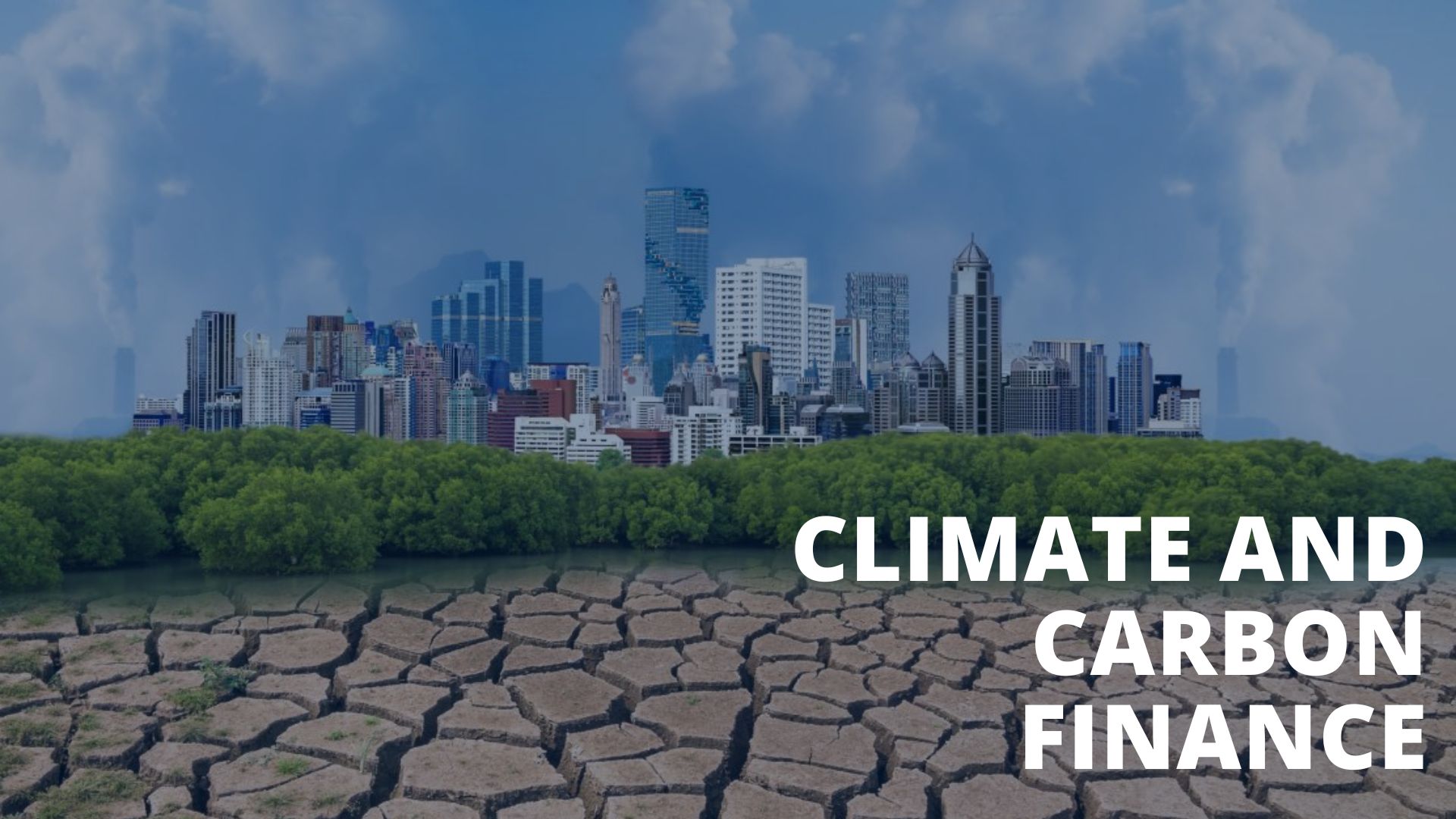
The urgency to address climate change and transition towards a sustainable future has never been greater. As the global community grapples with the challenges of reducing carbon emissions and mitigating the impacts of climate change, the Climate and Carbon Finance market has emerged as a vital mechanism for driving positive environmental outcomes while also presenting lucrative investment opportunities.
Climate and Carbon Finance involves a range of financial instruments and mechanisms designed to incentivize and support projects that reduce greenhouse gas emissions, promote renewable energy, and foster sustainable practices. One of the key components of this market is carbon trading, where companies are allocated carbon credits based on their emission levels, and those with lower emissions can sell their excess credits to high-emitting entities. This system encourages businesses to reduce their carbon footprint and rewards them financially for doing so.
The first and most prominent opportunity in the Climate and Carbon Finance market lies in supporting renewable energy projects. As countries worldwide set ambitious targets for increasing their share of renewable energy, investments in wind, solar, hydro, and other sustainable energy sources are soaring. These projects not only contribute to reducing carbon emissions but also offer stable and attractive returns for investors. Governments often provide incentives and subsidies to support renewable energy development, creating a favorable investment environment.
Another area of opportunity in the Climate and Carbon Finance market is in funding climate adaptation and resilience initiatives. As the impacts of climate change become increasingly evident, there is a growing need to invest in projects that build resilience against extreme weather events, rising sea levels, and other climate-related risks. These projects include infrastructure development, disaster preparedness measures, and sustainable agriculture practices, among others. Investing in these ventures not only helps protect communities and assets from climate risks but also generates financial returns in the long run.
Furthermore, the growing focus on environmental, social, and governance (ESG) criteria in investment decisions has bolstered the demand for green bonds and sustainable investment funds. These financial products channel funds towards projects that align with strict sustainability standards, including those related to climate and carbon reduction. As more investors prioritize ESG considerations, the demand for such climate-conscious investment options will continue to rise, further driving growth in the Climate and Carbon Finance market.
Additionally, businesses are increasingly recognizing the benefits of adopting carbon offsetting strategies to achieve their sustainability goals. Carbon offset projects, such as reforestation efforts and investments in clean energy initiatives, enable companies to balance out their emissions by investing in activities that remove or reduce an equivalent amount of carbon dioxide from the atmosphere. The growing corporate interest in carbon neutrality is creating opportunities for investors to support and participate in these offset projects.