Intelligent Transportation System Market Future Growth And Forecast With Significant Players
Transparency Market Research has published a new report titled, “Global Intelligent Transportation System Market (Type: Advanced Traveler Information Systems (ATIS), Advanced Transportation Management Systems (ATMS), Advanced Transportation Pricing Systems (ATPS), Advanced Public Transportation Systems (APTS), Cooperative Vehicle Systems, Automatic Number Plate Recognition Systems (ANPR); Application: Traffic Management, Road Safety and Surveillance, Freight Management (commercial), Public Transport, Environment Protection, Automotive Telematics, Parking Management, Road User Charging, and Automated Vehicle) – Global Industry Analysis, Size, Share, Growth, Trends, and Forecast, 2019–2027.” According to the report, the global intelligent transportation system market is projected to surpass US$ 70 Bn by 2027, expanding at a CAGR of above 12.9% during the forecast period.
Intelligent Transportation System Market:
- According to the report, the global intelligent transportation system market is likely to be driven by the need to adopt smarter transport modes that are safer, user friendly, and more coordinated
- The intelligent transportation system employs communication technology and captured information in transportation in order to improve efficiency, safety, and reduce traffic issues
- The intelligent transportation system can boost the adoption of public transport by making it more effective, tackle traffic congestion issue, and shorten the travel duration, which in turn is likely to reduce vehicle emissions. Implementation of intelligent transportation system enables operators to obtain real-time details, which help them to manage fleets and update operations and schedules.

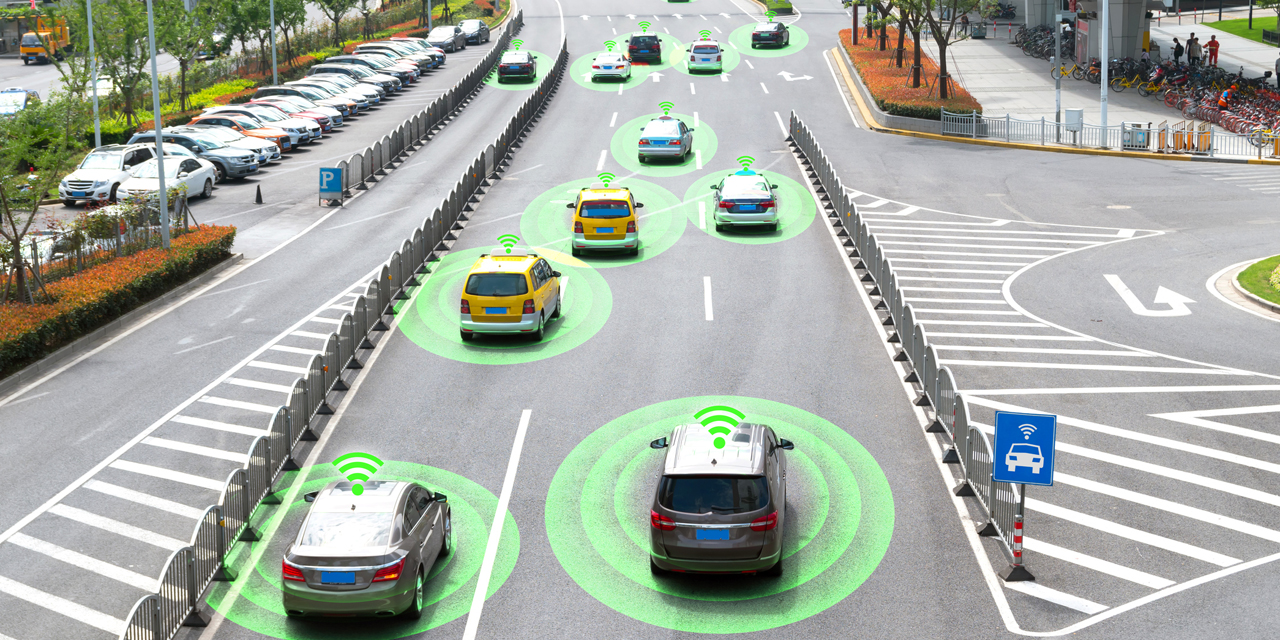
Smart car (HUD) and Autonomous self-driving mode vehicle on metro city road with graphic sensor signal.
Looking for exclusive market insights from business experts? Request a Sample Report
Expansion of Intelligent Transportation System Market:
- As per estimates of various intelligent transportation system associations such as ITS Canada and ITS Turkey, advanced traffic management systems (ATMS) reduced the waiting time at a signal by 20% to 30% and the travel time by 25%, which in turn reduced significant amount of congestion.
- Intelligent transportation system also reduces greenhouse gas emissions such as carbon dioxide (CO2), methane (CH4), nitrous oxide (N2O). For every hour of delay time reduced in traffic, one light weight vehicle can save 0.7 gallons of fuel and a truck can save 1.93 gallons. Deploying electronic tolling systems and ramp metering systems can reduce traffic and maintain the flow of traffic on inter urban road networks.
- Road accidents cost about US$ 520 Bn per year, globally, which costs individual countries about 1% to 2% of their GDP. In the U.S., road fatalities cost US$ 230 Bn per year, which on an average costs US$ 820 per person.