Innovating Energy Storage: Exploring the Structural Battery Market

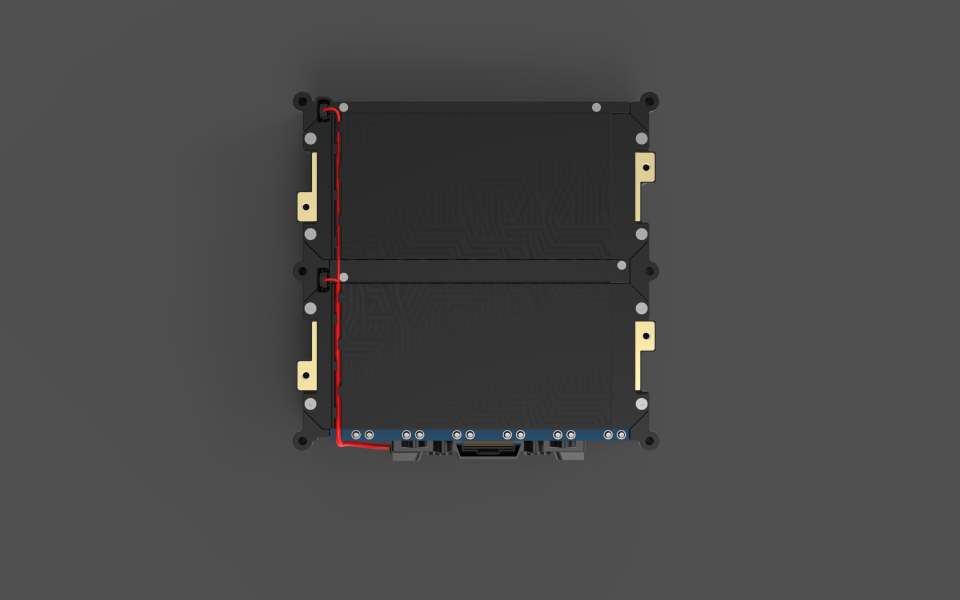
In today's fast-paced world, the demand for energy is continuously rising, driving the need for more efficient and sustainable energy storage solutions. Among the innovative technologies being explored, structural batteries have emerged as a promising game-changer. Unlike conventional batteries, which are typically bulky and add extra weight to the device they power, structural batteries seamlessly integrate energy storage capabilities within the very structure of the device itself.
The structural battery market is gaining momentum as researchers and companies invest in its development. This groundbreaking technology opens up new avenues for design and functionality in various industries. Imagine electric vehicles with lighter bodies that no longer rely on heavy battery packs, leading to increased range and improved performance. Aerospace applications could benefit too, as aircraft and spacecraft could shed weight while still maintaining optimal power storage. Additionally, consumer electronics, renewable energy systems, and even wearable devices could be revolutionized by structural batteries, making them more compact, portable, and efficient.
The key to the success of structural batteries lies in the materials used. Researchers are experimenting with advanced composites that can not only store electrical energy but also provide mechanical strength to the overall structure. For example, carbon fiber-reinforced polymers have shown promising results in early studies. The integration of these materials into everyday products could lead to a paradigm shift in energy storage and usage.
However, like any new technology, there are challenges to overcome. Ensuring the safety and reliability of structural batteries is of utmost importance, especially considering the potential for energy storage in critical applications like transportation. Researchers and regulators must collaborate to establish stringent safety standards and protocols. Moreover, scaling up production and making structural batteries cost-effective remains a hurdle.
Despite the obstacles, the structural battery market presents a tantalizing vision for a sustainable future. By reducing the need for separate battery compartments, this technology can lead to more compact and eco-friendly devices. As the world grapples with the urgent need to address climate change, innovating energy storage through structural batteries could be a significant step in the right direction.