The Impact of Automotive Aluminum on the Environment: A Sustainable Choice

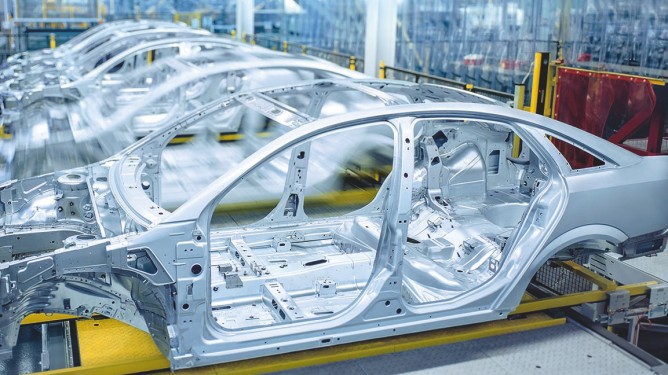
The use of automotive aluminum has a positive impact on the environment, making it a sustainable choice for the automotive industry. Several factors contribute to aluminum's eco-friendliness, making it a preferred material for automakers striving to reduce their carbon footprint.
Firstly, the lightweight nature of aluminum significantly improves fuel efficiency in vehicles. By replacing heavier materials like steel with aluminum, automakers can reduce vehicle weight and improve fuel economy, leading to lower greenhouse gas emissions. This, in turn, helps in meeting stringent environmental regulations and contributes to global efforts to combat climate change.
The automotive aluminum market has witnessed significant growth in recent years, driven by a surge in demand for lightweight materials in the automotive industry. Aluminum's unique combination of strength, lightness, and sustainability has made it a preferred choice for automakers and original equipment manufacturers (OEMs) worldwide.
Secondly, aluminum is highly recyclable, making it an integral part of a circular economy. Recycling aluminum requires only a fraction of the energy needed for primary production, resulting in significant energy savings and a reduced environmental impact. The recyclability of aluminum allows for a closed-loop system where used aluminum components can be transformed into new products, reducing the need for virgin aluminum extraction and minimizing waste generation.
Moreover, aluminum's durability and corrosion resistance ensure longer product lifespans. Vehicles constructed with automotive aluminum components are less susceptible to rust and degradation, leading to reduced maintenance needs and longer-lasting vehicles. This, in turn, helps in reducing the environmental impact associated with frequent vehicle replacements.
As the automotive industry continues to prioritize sustainability, the adoption of aluminum is expected to grow further. With ongoing advancements in recycling technologies and manufacturing processes, the environmental benefits of automotive aluminum will only continue to improve, making it an increasingly sustainable choice for the future of transportation.