Hyperloop Technology: An Innovative Transportation Solution Of The Future

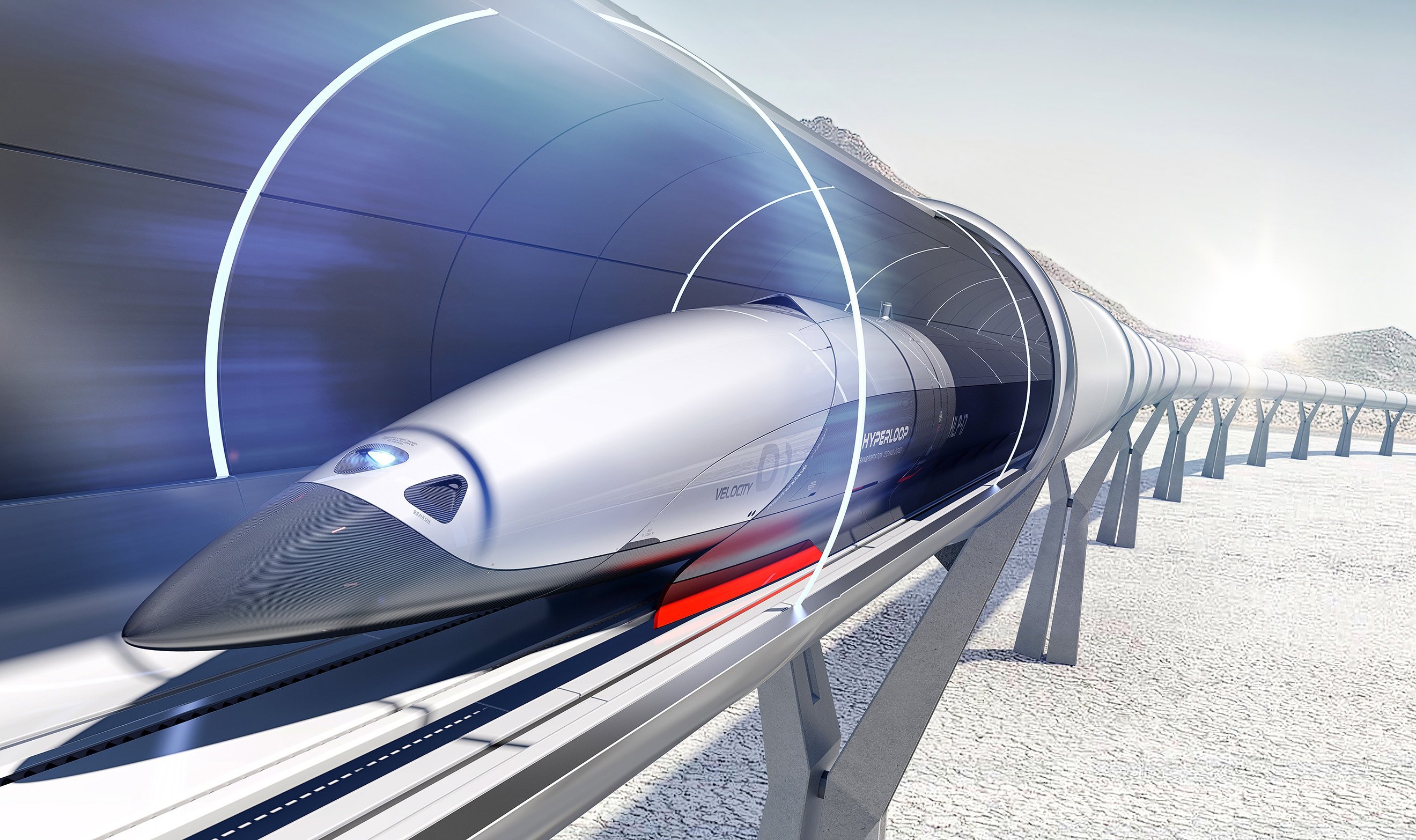
Hyperloop is an innovative high-speed ground transportation concept proposed by Tesla and SpaceX founder Elon Musk in 2013. Hyperloop aims to revolutionize high-speed travel and transform how we move people and goods.
What is Hyperloop?
The Hyperloop is a proposed method of transportation that would transport people and goods in floating pods or capsules through a near-vacuum tube at above 750 mph. Hyperloop pods or capsules would travel within low-pressure tubes using magnetic acceleration. By using a vacuum tube design, the Hyperloop capsules can reach phenomenal speeds while being highly energy efficient. The hyperloop concept utilizes magnetic levitation and could make travel between major cities less than an hour for journeys that now take three to four hours by air or rail.
How Does Hyperloop Work?
The proposed Hyperloop design includes the following key components and technologies:
Vacuum Tube: Passengers and cargo would travel inside floating pods or capsules that operate within a low-pressure tube system. Near-vacuum conditions minimize air resistance allowing for extreme speeds.
Passive Magnetic Levitation: Rather than conventional wheels, Hyperloop Technology pods would use magnetic levitation to hover and glide above the track at incredibly low levels of friction. This allows for greater efficiency and almost no energy loss at high speeds.
Compressed Air Propulsion: Compressed air would provide the motive force to propel hyperloop pods down the tube. Sections of the tube would contain compressed air that Hyperloop pods could seamlessly transition between to achieve acceleration and maintain high velocities safely.
Route Design: Unique route optimization could further increase speeds through gradual curves and minimal turns. Deep tunnels or raised structures would protect the hyperloop system from weather and allow direct point-to-point routing between major population centers.
The combination of these advanced technologies is what gives Hyperloop its potential to revolutionize transportation. With extremely low air resistance and friction, Hyperloop can achieve unprecedented ground speeds.
Advantages of Hyperloop Technology
By integrating cutting-edge technologies into an innovative transportation concept, Hyperloop aims to deliver numerous advantages over existing modes of transportation:
Extreme Speed: Hyperloop systems could reach top speeds of over 700 mph and transport passengers between major cities in under an hour for journeys currently taking 3-4 hours by other modes. This provides an unmatched time advantage.
Sustainability: Hyperloop pods would be extraordinarily energy-efficient due to near-frictionless movement and regenerative braking. Systems could operate on sustainable energy sources like solar and wind.
Minimal Infrastructure: At around 30 feet wide, Hyperloop tubes require far less land than high-speed rail, subways, or highways. Elevated tube structures avoid digging costly tunnels.
Safety: State-of-the-art sensors, automated guiding systems, and redundant braking allows near-zero failure potential in Hyperloop systems even at immense speeds. Enclosed tubes protect passengers.
Reliability: By accessing dedicated rights-of-way, Hyperloop promises consistent journey times unaffected by weather or congestion delays common to other modes.
Capacity: A Hyperloop system can carry many more passengers per hour than a single highway lane or plane due to the frequency and capacity of pods. Cargo versions are also possible.
Cost Effectiveness: While mass-scale deployment requires significant capital investment, studies show Hyperloop will operate at lower unit costs per passenger mile than other options.
New Connectivity: Hyperloop would link cities that are currently poorly connected by existing infrastructure like rails or roads and open exciting new mobility opportunities.
Innovations like Hyperloop will be necessary to sustainably and efficiently fulfill future transportation needs if implemented responsibly with community consensus. Let's explore its development progress and potential challenges in more detail.
Developing the Hyperloop Vision
While the Hyperloop concept was unveiled by Elon Musk in 2013, much work remains to bring such a revolutionary technology to reality. Musk's proposed design concepts generated tremendous interest and discussion worldwide. In 2015, Musk released the Hyperloop Alpha draft design for others to utilize and further develop.
This helped spawn several Hyperloop startups aiming to turn the vision into a workable system through engineering, testing, and certification work. Key companies leading Hyperloop development currently include:
Virgin Hyperloop: Founded in 2014 as Hyperloop Technologies, they are building a 500-meter developmental track near Las Vegas, Nevada testing various technologies.
TransPod: A French-based startup building an elevated ultra-high-speed transit system. They aim to connect cities in France, Italy, Switzerland, Germany, and Canada initially.
Hyperloop Transportation Technologies (HTT): Employee-owned startup with a focus on public-private partnerships to implement entire systems. They also have a 500-meter test track in California.
Hardt Hyperloop: German startup targeting cargo transportation and unveiled vehicle designs able to haul 20 metric tons.
While research progresses promisingly, huge engineering and safety challenges still exist to validate the Hyperloop as a practical transit solution before mass commercial implementation. Areas requiring significant development include levitation, guidance, life support, and certification compliance. Only by demonstrating safety through real-world testing over many years can Hyperloop truly deliver on its claims of revolutionizing mobility. However, for now, its future appears bright if engineering progress can match the inspiring initial vision.
Potential Impacts and Challenges of Hyperloop Deployment
If successfully developed and deployed commercially, Hyperloop has the potential to profoundly transform the transportation landscape through new high-speed intercity connectivity. However, bringing such advanced technology to widespread use also faces implementation risks that must be mitigated responsibly:
Environmental Impact Assessment: High-capacity Hyperloop systems could reduce vehicle traffic and aviation emissions through modal shift. But large-scale construction also risks habitat disruption that needs study and offsets. Renewable energy use is important.
Public Acceptance: Residents near planned Hyperloop corridors will need transparency into impacts like noise during testing and operations. Early and ongoing community outreach helps address NIMBYism.
Terminus Planning: Strategic station location and multimodal transit connections are vital to maximize ridership and economic development potential around Hyperloop endpoints.
Right-of-Way Acquisition: Obtaining sufficient land or approval for aerial structures between cities demands extensive coordination with private landowners and can delay projects.
Regulatory Hurdles: No regulations currently exist worldwide specifically.
Get more insights on Hyperloop Technology