High Performance Computing: Unleashing the Power of Supercomputing

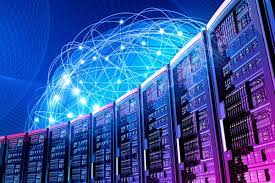
In the realm of modern computing, High performance computing (HPC) stands out as a powerhouse of computational capabilities, pushing the boundaries of what is possible in terms of data processing, simulation, and scientific research. HPC refers to the use of supercomputers or clusters of interconnected computers to execute complex tasks at exceptionally high speeds, far beyond the capabilities of conventional computing systems. By harnessing the immense power of parallel processing, HPC enables scientists, researchers, and engineers to tackle complex problems, simulate real-world scenarios, and derive valuable insights from vast amounts of data.
One of the key features of high performance computing is its ability to process and analyze massive datasets at remarkable speeds. Whether it's weather modeling, gene sequencing, financial simulations, or artificial intelligence training, HPC systems can crunch through colossal datasets in a fraction of the time it would take traditional computing systems. This rapid data processing not only accelerates research and innovation but also empowers organizations to make data-driven decisions faster and more efficiently. Furthermore, the parallel architecture of HPC systems allows multiple processors to work in tandem, dividing the workload and solving problems concurrently. This parallelism significantly reduces computation time and enhances overall performance, enabling researchers to explore complex phenomena with a level of detail and accuracy that was once unimaginable.
Moreover, high performance computing plays a pivotal role in advancing scientific discovery across various disciplines. In fields such as astrophysics, molecular biology, climate modeling, and materials science, HPC facilitates simulations and analyses that deepen our understanding of the universe and our world. Complex physical processes and interactions can be simulated, providing insights into phenomena that would be impossible or impractical to study in a laboratory setting. This ability to run intricate simulations enables researchers to make predictions, test hypotheses, and explore theoretical models, leading to groundbreaking discoveries and innovations.
In conclusion, high performance computing is a game-changer in the world of computational capabilities, unlocking new frontiers of research, innovation, and scientific discovery. Its ability to process vast datasets at incredible speeds and harness the power of parallel processing elevates HPC to a realm of supercomputing prowess. As technology continues to advance, high performance computing will continue to push the boundaries of what is possible, empowering researchers and organizations to make remarkable strides in solving complex problems and driving advancements in various fields. The immense power of supercomputing will undoubtedly fuel groundbreaking discoveries and innovations that shape the future of science, technology, and society as a whole.