The Growth of Pulse Oximetry is Driven by the Rising Prevalence of Chronic Respiratory Diseases

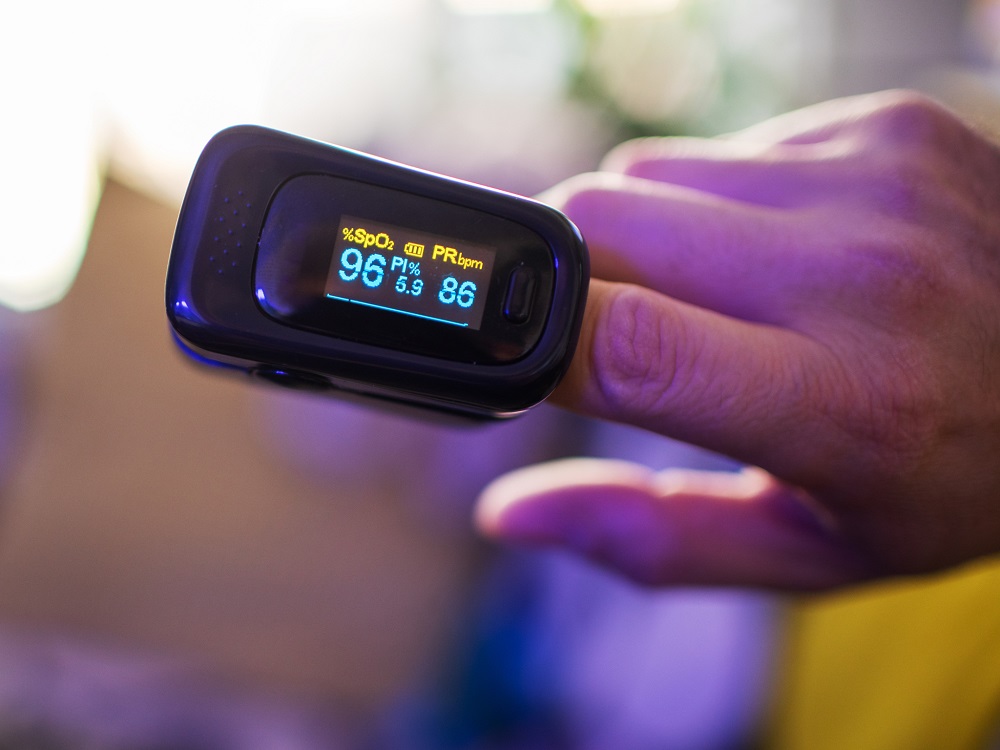
Pulse oximeters are non-invasive medical devices that are used to measure and monitor the oxygen saturation levels in a patient's blood. They work by passing light through blood perfused tissue and determining the amount of oxyhemoglobin and reduced hemoglobin. Pulse oximeters help in detecting hypoxemia, which in turn helps doctors and healthcare professionals make quick diagnoses and treatment decisions. With their ability to continuously and wirelessly monitor vital parameters outside hospital settings, pulse oximeters have become indispensable tools in home care and ambulatory settings. Their convenience and effectiveness in assessing oxygenation has made pulse oximetry one of the standard monitoring techniques adopted worldwide.
The global Pulse Oximeter Market is estimated to be valued at US$ 3683.27 Mn in 2023 and is expected to exhibit a CAGR of 5.7% over the forecast period 2023 to 2030, as highlighted in a new report published by Coherent Market Insights.
Market key trends:
The surge in demand can be attributed to the growing prevalence of chronic respiratory diseases worldwide. Chronic obstructive pulmonary disease (COPD) and asthma are among the leading causes of mortality. It is estimated that over 328 million people suffer from asthma globally. Similarly, over 251 million people suffer from COPD according to the World Health Organization. The increasing geriatric population also contributes to the rising incidence of such chronic respiratory diseases that often require long-term oxygen therapy and monitoring. Technological advancements are enhancing the functionality of pulse oximeters. Integrating parameters like heart rate, SpO2, plethysmograph make pulse oximeters valuable monitoring devices. The emergence of wireless and Bluetooth-enabled devices is improving efficacy as well as patient compliance to treatment and monitoring protocols.
Porter's Analysis
Threat of new entrants: Low due to the presence of stringent regulations and dominance of major players in the market.
Bargaining power of buyers: High due to availability of alternatives and small size of individual buyers.
Bargaining power of suppliers: Low as there are many suppliers for raw materials.
Threat of new substitutes: Low as pulse oximeters have few substitutes for their use in monitoring oxygen saturation levels.
Competitive rivalry: High due to presence of numerous global and regional players offering price-based competition.
Key Takeaways
The Global Pulse Oximeter Market Demand is expected to witness high growth over the forecast period. The global Pulse Oximeter Market is estimated to be valued at US$ 3683.27 Mn in 2023 and is expected to exhibit a CAGR of 5.7% over the forecast period 2023 to 2030.
Regional analysis: North America is expected to dominate the global pulse oximeter market over the forecast period owing to factors such as rising prevalence of respiratory diseases, presence of major market players, and availability of advanced healthcare facilities. According to American Lung Association (ALA), around 25 million Americans suffer from asthma.
Key players: Key players operating in the pulse oximeter market are CAP Biomaterials, LLC, Kemapco Arab Fertilizers & Chemicals Industries LTD, Merck KGaA, AARTI INDUSTRIES LIMITED, Hindustan Phosphates Pvt. Ltd., Guizhou Zerophos Chemical Co., Ltd. Gujarat Narmada Valley Fertilizers & Chemicals Ltd, Bamni Proteins Limited, Innophos, Mitushi Biopharma, Phosphea, Ecophos Group, and Sudeep Pharma Pvt. Ltd.
Get more insights on this topic: https://www.insightprobing.com/pulse-oximeter-market-demand-share-analysis/