Drones with a Mission: How Ambulance Drones Are Changing the Face of Medical Emergencies

Introduction
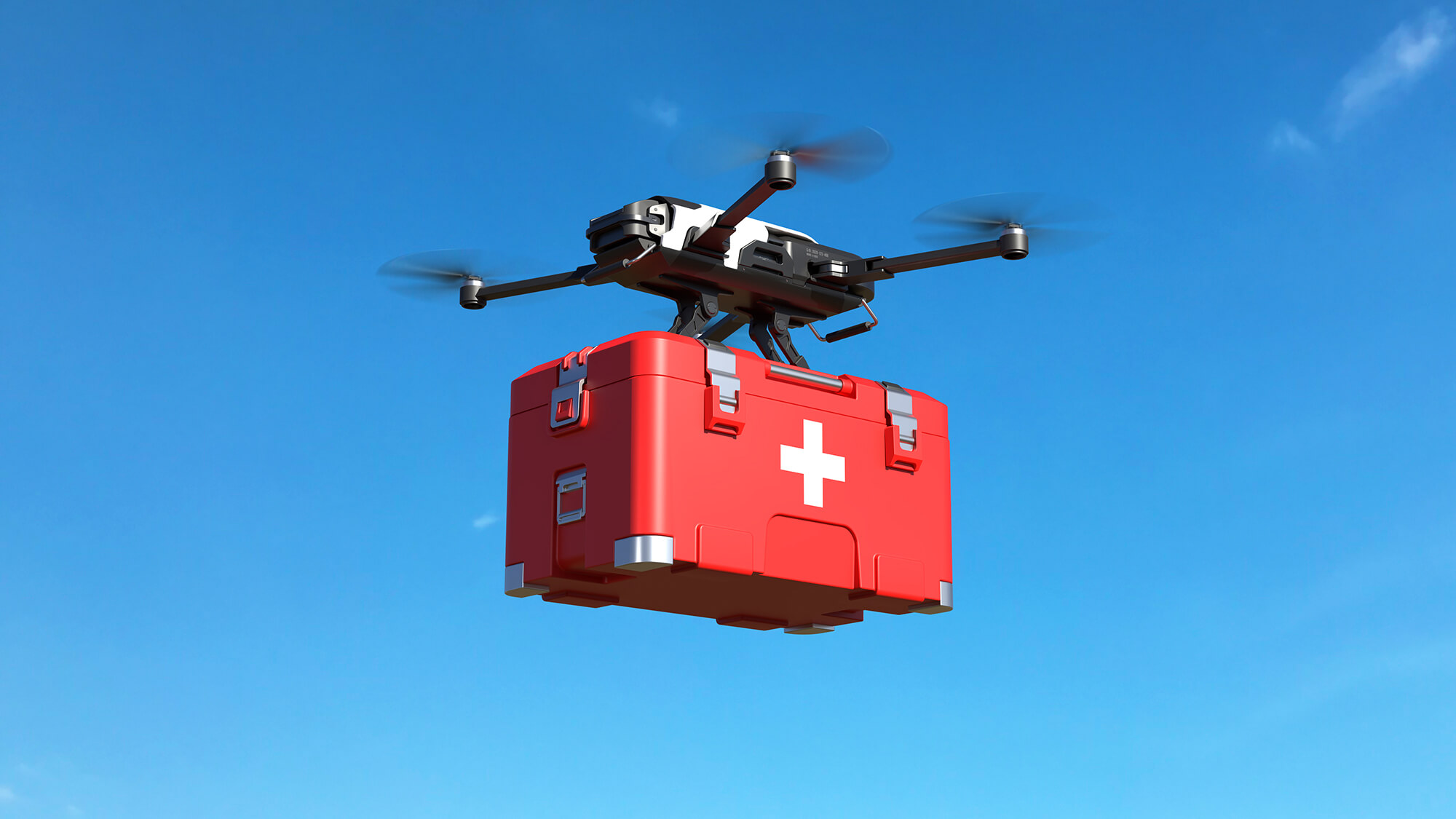
The Ambulance Drone market is on the brink of a revolutionary transformation that promises to redefine emergency response and healthcare delivery. These unmanned aerial vehicles, equipped with advanced medical equipment and rapid response capabilities, have the potential to save countless lives by drastically reducing response times and reaching remote or congested areas with ease. In this article, we will delve into the burgeoning Ambulance Drone market, exploring its current status, growth drivers, challenges, and the promising future it holds.
Current Status of the Ambulance Drone Market
The Ambulance Drone market is still in its infancy, but it has been steadily gaining traction over the past few years. While these drones have not yet become a mainstream part of emergency response systems, several pioneering companies and organizations are conducting research, development, and pilot projects to test their feasibility and effectiveness. These initiatives are indicative of the growing interest in harnessing drone technology for healthcare purposes.
One of the key players in this emerging field is Defibrillator Drone, a Netherlands-based startup that has developed a drone equipped with an automated external defibrillator (AED). Their prototype has shown promising results in reducing response times for cardiac arrest cases in rural areas. Similarly, Zipline, a company known for its medical supply delivery drones, is exploring the use of drones for medical emergencies in countries like Rwanda and Ghana.
Growth Drivers
Several factors are driving the growth of the Ambulance Drone market:
1. Rapid Urbanization: The world's population is increasingly concentrated in urban areas, leading to traffic congestion and longer response times for traditional ambulances. Ambulance drones can navigate through congested urban environments quickly, offering a faster response to emergencies.
2. Advancements in Drone Technology: The evolution of drone technology has made it possible to develop drones with the payload capacity to carry essential medical equipment and maintain stable flight in various weather conditions.
3. Remote and Inaccessible Areas: Drones are particularly beneficial in reaching remote or hard-to-access locations, such as rural areas, islands, or disaster-stricken regions, where traditional ambulances may struggle to arrive promptly.
4. Reduced Cost: As technology advances and production scales up, the cost of manufacturing and maintaining ambulance drones is likely to decrease, making them more financially feasible for healthcare providers.
5. Public Awareness: Increased awareness of the potential life-saving capabilities of ambulance drones is also contributing to their adoption and acceptance among the general public and healthcare professionals.
Challenges and Concerns
Despite the promising prospects, the Ambulance Drone market faces some significant challenges:
1. Regulatory Hurdles: The integration of drones into healthcare systems requires navigating complex regulatory frameworks that vary from one region to another. Ensuring compliance with safety and privacy regulations is crucial.
2. Technical Challenges: Developing drones that can reliably and safely transport medical equipment and navigate diverse environments poses technical challenges, including battery life, payload capacity, and obstacle avoidance.
3. Public Acceptance: Some individuals may have reservations about trusting drones with their healthcare needs, particularly in life-threatening situations. Building public trust is essential.
4. Infrastructure and Connectivity: The effectiveness of ambulance drones relies on a robust infrastructure and reliable connectivity for communication and navigation. Rural and underserved areas may lack the necessary infrastructure.
The Promising Future
The Ambulance Drone market holds immense promise for transforming emergency medical services. With ongoing research, development, and collaborations between technology companies, healthcare providers, and regulatory bodies, we can expect to see significant advancements in this field. In the near future, ambulance drones may become a standard component of emergency response systems, dramatically reducing response times and increasing the chances of survival for patients in critical condition.
Conclusion
The Ambulance Drone market represents a remarkable convergence of cutting-edge technology and the imperative to save lives in emergency situations. While there are hurdles to overcome, the potential benefits are too significant to ignore. As we continue to witness advancements in drone technology and regulatory frameworks, ambulance drones are poised to revolutionize emergency response and healthcare delivery, making our world a safer place for all.