Demystifying Medical Coding: A Comprehensive Guide for Healthcare Professionals

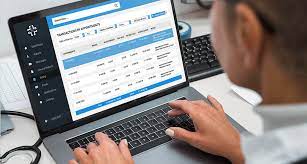
Medical coding is an integral aspect of the healthcare industry, serving as a universal language that facilitates efficient communication between healthcare providers, insurance companies, and government agencies. Accurate and standardized medical coding ensures that medical procedures, diagnoses, and treatments are documented in a systematic manner, enabling the smooth processing of medical claims and the collection of valuable health data. In this comprehensive guide, we delve into the intricacies of medical coding, shedding light on its significance, processes, and the crucial role it plays in the modern healthcare landscape.
1. Introduction to Medical Coding:
Medical coding involves transforming complex medical diagnoses, treatments, procedures, and services into alphanumeric codes that follow established guidelines and conventions. The two primary coding systems used are the International Classification of Diseases (ICD) and Current Procedural Terminology (CPT). ICD codes describe the diagnosis of a patient's condition, while CPT codes describe the medical services rendered.
2. The Importance of Accurate Coding:
Accurate medical coding is crucial for several reasons. Firstly, it ensures proper reimbursement from insurance companies, preventing revenue loss for healthcare providers. Secondly, it aids in healthcare data analysis, epidemiological studies, and research, allowing for evidence-based decision-making and the identification of health trends. Moreover, coding is essential for complying with healthcare regulations and legal requirements.
3. The Role of Medical Coders:
Medical coders are skilled professionals responsible for reviewing medical records, extracting relevant information, and assigning appropriate codes to each encounter. They must possess a deep understanding of anatomy, medical terminology, and disease processes to accurately translate medical documentation into codes. The work of medical coders demands precision, attention to detail, and ongoing education to keep up with evolving coding guidelines.
4. ICD Coding System:
The ICD system is used to classify and code diseases, injuries, and related health conditions. The latest version, ICD-10, provides a vast array of codes with greater specificity, allowing for more accurate representation of diagnoses. Medical coders must stay up-to-date with any revisions and additions to ensure proper coding.
5. CPT Coding System:
CPT codes, maintained by the American Medical Association (AMA), describe medical services, procedures, and treatments provided to patients. These codes are essential for billing and reimbursement purposes. Healthcare professionals must be well-versed in the CPT code set to ensure proper billing and adherence to insurance guidelines.
6. Challenges in Medical Coding:
Medical coding presents its own set of challenges. Coding guidelines can be complex and subject to frequent updates. Additionally, coding for certain rare or unique medical conditions may require extensive research and collaboration. The potential for coding errors can result in claim denials and financial losses, emphasizing the need for highly skilled coders and robust quality assurance processes.
7. Emerging Technologies in Medical Coding:
Advancements in technology have had a significant impact on medical coding. Artificial intelligence and machine learning applications are being developed to aid coders in their work, automating certain coding tasks and improving accuracy. However, human oversight remains essential to ensure the integrity and accuracy of coded data.
8. Training and Certification for Medical Coders:
Becoming a proficient medical coder requires specialized training and certification. Various organizations offer coding courses and certifications, such as Certified Professional Coder (CPC) and Certified Coding Specialist (CCS), which validate the coder's knowledge and expertise.
Conclusion:
In conclusion, medical coding plays a vital role in the healthcare industry, acting as the bridge between patient encounters, billing processes, and health data analysis. This comprehensive guide has shed light on the significance of accurate medical coding, the challenges faced by medical coders, and the advancements shaping the field. As technology continues to evolve, it is essential for healthcare professionals to adapt and stay informed to ensure that medical coding remains a robust and efficient system for the benefit of patients and providers alike.