Computerized Maintenance Management Systems: The Future of Asset Management

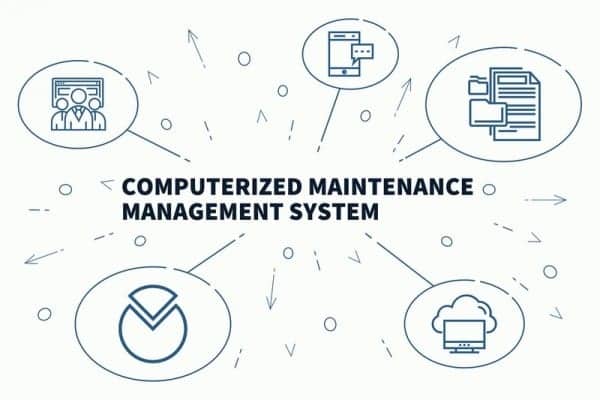
Maintenance of physical assets is crucial for any organization to run smoothly and maximize productivity. However, traditional paper-based maintenance processes are difficult to manage, track, and optimize. This is where Computerized Maintenance Management Systems (CMMS) come into play. A CMMS digitizes the entire maintenance process for improved efficiency, visibility, and cost-savings.
What is a CMMS?
A Computerized Maintenance Management System (CMMS) is a software application that supports asset management by digitizing maintenance workflows. The main functions of a CMMS include work order management, purchasing and inventory control, budgeting and cost tracking, scheduled maintenance planning, and reporting. Some key CMMS features include:
- Asset databases to track equipment details, specifications, maintenance history, location, etc.
- Work order management to generate, prioritize, close, and track all maintenance requests electronically.
- Preventive maintenance scheduling to automatically plan routine maintenance activities like inspections, equipment servicing, etc.
- Purchase requests and receiving to streamline material requisition, receiving, and payments processes.
- Inventory management to maintain optimum stock levels of spare parts and materials in the warehouse.
- Labor tracking to record time spent on each job for payroll and cost allocation purposes.
- Budgeting and cost analysis to monitor actual costs versus planned costs of maintenance activities.
- Comprehensive reporting for operational and financial analysis using customized or pre-defined reports.
- Alarm notifications to remind technicians proactively about upcoming tasks.
Key Benefits of CMMS
Increased Efficiency
With a Computerized Maintenance Management System, maintenance processes like logging work orders, assigning tasks, tracking parts usage, etc. are digitized. This saves significant time compared to manual, paper-based systems. Technicians can access work orders, reports, and asset details in real-time through mobile devices, avoiding duplicate efforts. Automation of routine tasks further boosts efficiency.
Improved Visibility and Control
CMMS provides 360-degree visibility into the entire maintenance operation. Managers can track the status of all assets, jobs, costs, inventory levels, etc. on a single dashboard. Automatic scheduling and reminders ensure tasks are completed on time. Equipment performance anomalies can be detected early using analytic reports.
Optimized Asset Uptime
Planned preventive maintenance through CMMS keeps equipment running smoothly by addressing issues proactively instead of reactively. Routine servicing extends the lifespan of machinery while minimizing breakdowns. Critical assets receive priority, avoiding costly production downtime. First-time fix rates improve as technicians have complete repair histories at their fingertips.
Accurate Cost Tracking
The system captures actual labor hours, material usage, and other repair/maintenance costs against each job for true expense monitoring. Budget variance reports alert management to potential overruns on a real-time basis for corrective action. Equipment operating and total cost of ownership can be analyzed to maximize profits over the long-run.
Enhanced Safety and Compliance
Mandatory safety checks, permit requirements, and compliance-related maintenance tasks may be directly scheduled in CMMS. Automatic alerts help technicians adhere to protocols. Managers receive audit-ready reports for safety inspections and regulatory compliances like PM completion certificates. Risk of non-compliance is significantly reduced.
Subheadings
Benefits for Specific Industries
CMMS has uniquely optimized maintenance in industries with stringent safety, uptime and compliance needs such as manufacturing, healthcare, aviation, utilities and oil & gas.
- Manufacturing units achieve equipment availability over 98% through planned CMMS maintenance. Automated work orders minimize downtime.
- Healthcare facilities ensure sterilization, safety checks and calibrations of sensitive equipment are never missed. Lives are protected through compliance.
- Airlines rely on CMMS to ensure aircraft airworthiness and safety through rigorous maintenance schedules and regulatory adherences.
- Utilities like power and water plants prioritize maintenance of critical substations, pumps and pipelines to avoid service disruptions.
- Oil rigs and refineries use interactive dashboards for real-time monitoring of remote field assets and resolving issues before they escalate.
Choosing the Right CMMS
Selecting a suitable CMMS involves evaluating key criteria like the following:
- Industry & business size compatibility: Ensure the CMMS scales to your setup without becoming cumbersome.
- Easy Implementation: Cloud-based CMMS require less IT hassles compared to on-premise software. Choose a quick and fuss-free option.
- Training and Support: Check the training duration, online help resources, ongoing enhancements and customer support the vendor provides.
- Reporting Capabilities: Comprehensive out-of-the-box and customizable reports are critical for actionable business intelligence.
- Mobility: Confirm mobile access to the system and work orders for real-time field operations visibility.
- Customization and Integration: Evaluate configurability, API integration with ERP systems and ability to tweak the CMMS over time.
- Costs: Compare long-term licensing fees, add-on costs and total ROI over paper-based systems. Cloud CMMS prove more affordable.
Top providers like MPulse, Dude Solutions, IBM Maximo, Asset Panda and eMaint are worth considering based on the above parameters. Consulting implementation partners streamlines deployment.
Get More Insights on Computerized Maintenance Management Systems