Challenges and Opportunities: Navigating the Future of Automotive Cloud Applications

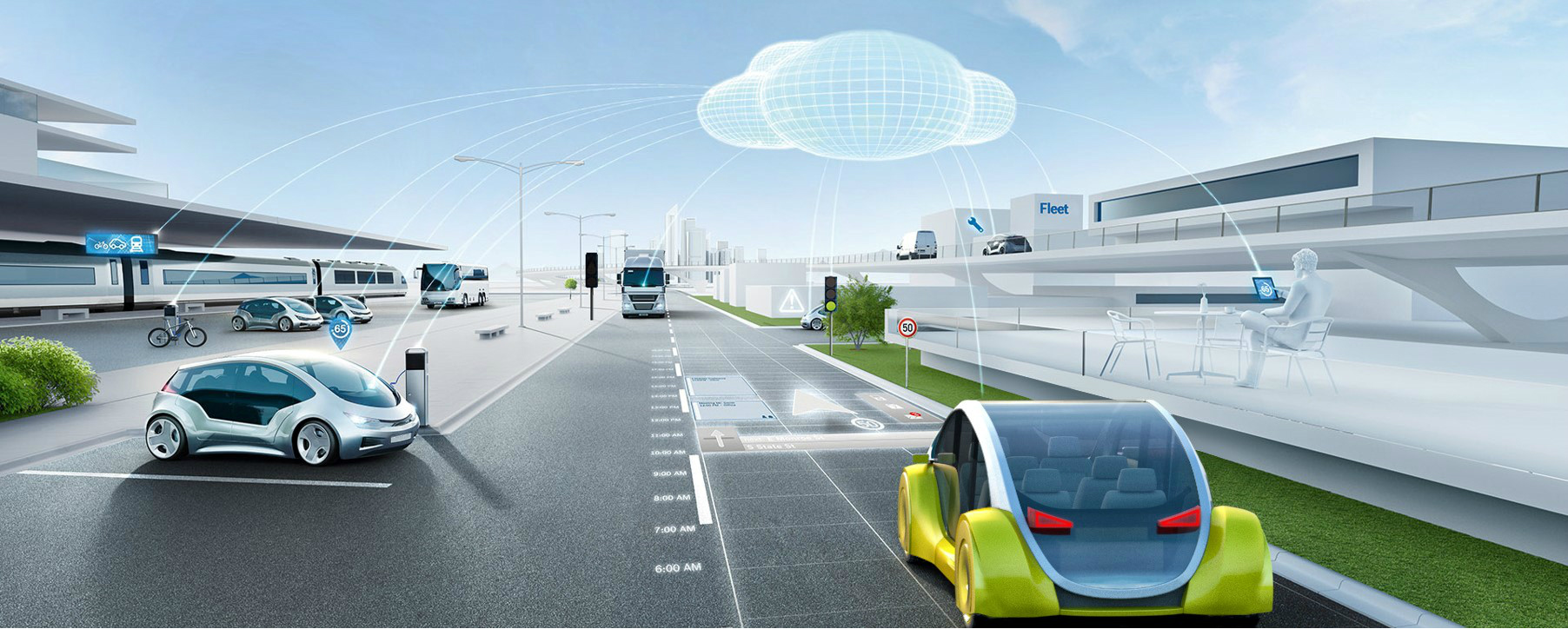
The future of automotive cloud applications presents a landscape of both challenges and opportunities, as the industry embraces the transformative power of connectivity. With advancements in cloud technology and the increasing demand for smart and connected vehicles, automotive companies must navigate various complexities to fully realize the potential of cloud-based solutions.
One of the primary challenges in the future of automotive cloud applications is the need for seamless integration across diverse platforms. As vehicles become more connected, they rely on a myriad of systems, sensors, and networks. Ensuring interoperability between these elements is essential to deliver a cohesive user experience and optimize the performance of cloud-based services.
The Automotive Cloud Market is on the verge of massive transformation. Customers have new expectations about purchasing and owning processes of products, and customers get attracted on businesses that develops new innovative products rapidly. The Automotive Cloud Market is witnessing significant investments from key players, both established automakers and technology giants, aiming to shape the future of mobility and revolutionize transportation ecosystems.
Another significant challenge lies in data management and analytics. Connected vehicles generate vast amounts of data, and effectively harnessing this information is crucial to gain valuable insights into user behavior, vehicle performance, and system improvements. Automotive companies must invest in robust data analytics platforms and adopt machine learning techniques to process and extract meaningful knowledge from the data streams.
Ensuring the security and privacy of connected vehicles remains a paramount concern. As the number of connected devices increases, so does the potential attack surface for cybercriminals. Automotive companies must continually update and reinforce their security protocols to prevent unauthorized access to vehicle systems and sensitive user data.
Despite the challenges, the future of automotive cloud applications presents a myriad of opportunities. Cloud technology enables over-the-air updates, reducing the need for physical recalls and enhancing vehicle performance with the latest software advancements. This flexibility in software management translates to improved customer satisfaction and lower operational costs for manufacturers.
Automotive cloud applications open doors for new revenue streams and business models. Manufacturers can offer subscription-based services, such as premium infotainment packages, personalized driver assistance features, and vehicle-to-infrastructure communications. These additional services can create long-term customer loyalty and generate recurring revenue for the automotive industry.
The future of Automotive Cloud applications is laden with both challenges and opportunities. Seamless integration, data management, security, and privacy concerns are some of the hurdles that need to be addressed effectively. However, with the potential for enhanced user experiences, real-time updates, data-driven insights, and innovative business models, automotive cloud solutions are poised to revolutionize the industry and shape the way we interact with vehicles in the years to come.