Beyond Traditional Materials: Advanced Ceramics Paving The Way

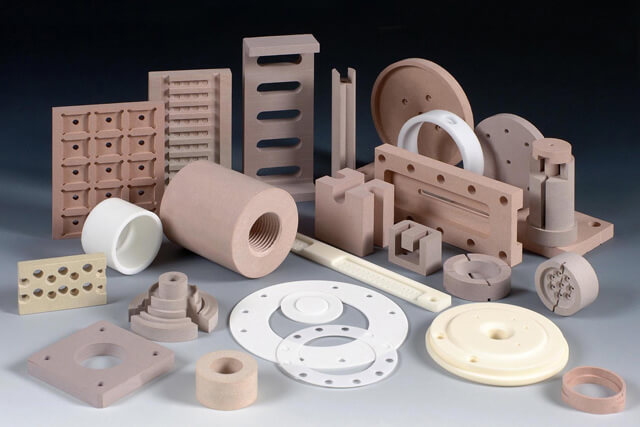
Advanced Ceramics, also known as engineered or technical ceramics, are a class of materials that possess exceptional properties and are designed to meet specific requirements in various industries. These ceramics are a result of extensive research, advanced manufacturing processes, and innovative material engineering. With their unique combination of properties, advanced ceramics have revolutionized technology and industry, finding applications in diverse fields such as electronics, aerospace, automotive, energy, and healthcare. In this article, we will explore the fascinating world of advanced ceramics and delve into their remarkable properties and applications.
Advanced Ceramics, also known as engineering or technical ceramics, are a distinct class of materials that possess exceptional mechanical, thermal, electrical, and chemical properties. Unlike traditional ceramics, advanced ceramics are engineered to exhibit enhanced performance characteristics tailored to specific applications. They are typically characterized by high strength, hardness, and temperature resistance, along with low thermal expansion and excellent chemical stability.
This specific technical advanced ceramic is sporadic in nature and mostly observed in the mineral moissanite. Silicon carbide was first revealed by an American scientist, Dr. Edward Goodrich Acheson. It is the only chemical component of carbon and silicon and creates very robust and hard metals. It was initially created by a high-temperature electro-chemical reaction of sand and carbon, leading a product that is utilized as a refractory resistor, abrasive, and electric resistor.