Beyond Electronics: The Role of Photonics in Modern Technology

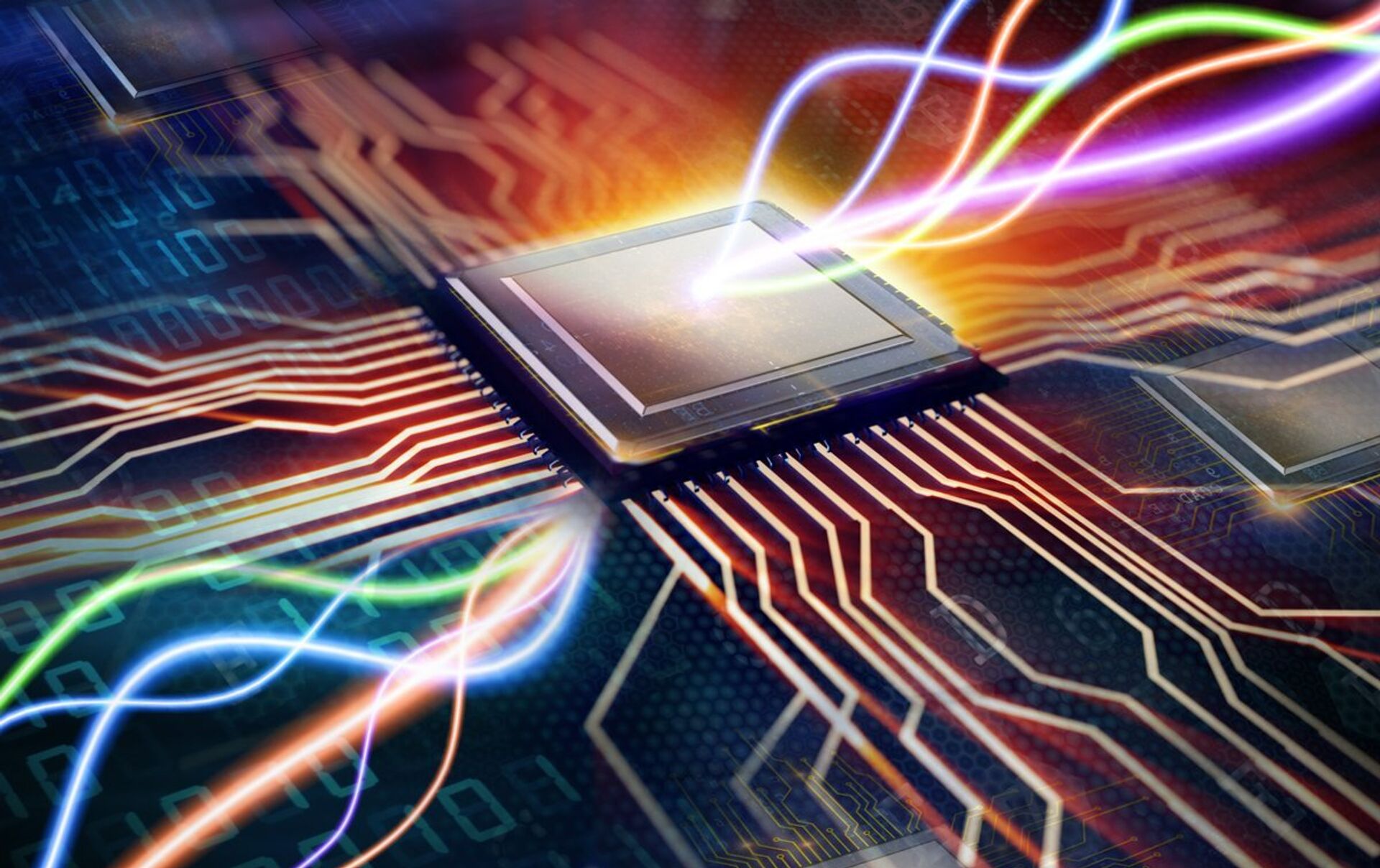
In the realm of modern technology, Photonics has emerged as a groundbreaking field that extends far beyond traditional electronics. Photonics is the science and technology of generating, controlling, and detecting photons, which are particles of light. This fascinating discipline is revolutionizing various industries by harnessing the unique properties of light to manipulate data, transmit information, and enhance the capabilities of existing technologies. One of the key applications of photonics lies in telecommunications. Optical fibers, which use guided light to transmit vast amounts of data over long distances, have become the backbone of global communication networks. Photonics has enabled the development of high-speed, low-loss, and secure data transmission, facilitating seamless internet connectivity, video conferencing, and the exchange of information across the world. Moreover, the use of lasers in data storage technologies, such as Blu-ray discs, has significantly increased data storage capacity and access speeds, transforming the way we store and retrieve information.
Photonics also plays a vital role in the healthcare industry. Medical imaging technologies, like optical coherence tomography (OCT), employ light to create detailed cross-sectional images of biological tissues. OCT has proven invaluable in diagnosing and monitoring eye conditions, such as glaucoma and macular degeneration, and has the potential to revolutionize various medical imaging applications. Additionally, phototherapy utilizes light-based treatments to address various health issues, including skin disorders and certain types of cancer. The precise control of light in these therapies allows for targeted and non-invasive treatment options, minimizing damage to healthy tissues and maximizing therapeutic outcomes.