Advances in Bone Densitometers: Enhancing Precision and Diagnosing Osteoporosis Effectively

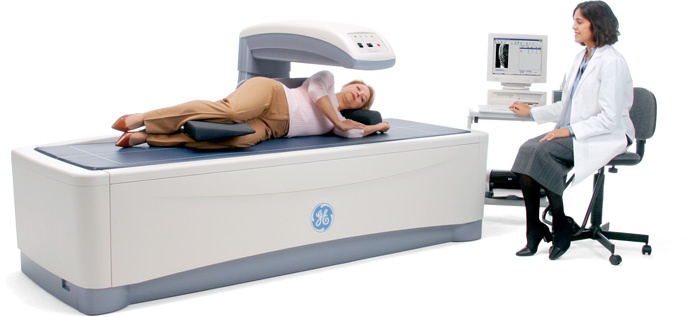
Osteoporosis is a prevalent bone disease characterized by reduced bone density and increased risk of fractures. It affects millions of people worldwide, particularly postmenopausal women and elderly individuals. Early detection and accurate diagnosis of osteoporosis are crucial for effective management and prevention of fractures. Bone densitometry, commonly known as a bone density scan, is a non-invasive imaging technique that measures bone mineral density (BMD) and plays a pivotal role in diagnosing osteoporosis. Over the years, advances in bone densitometers have significantly enhanced precision and improved the effectiveness of osteoporosis diagnosis.
Conventional bone densitometry techniques, such as dual-energy X-ray absorptiometry (DXA), have been the gold standard for assessing bone health. DXA measures BMD at specific skeletal sites, usually the hip and spine, and provides valuable information about bone strength. However, the latest technological advancements have led to the development of more sophisticated and accurate bone densitometers.
One notable advancement in bone densitometry is the introduction of high-resolution peripheral quantitative computed tomography (HR-pQCT). Unlike DXA, HR-pQCT allows for the assessment of bone microarchitecture, such as trabecular and cortical bone compartments, at peripheral skeletal sites like the wrist and ankle. This technology provides a more comprehensive evaluation of bone health, enabling early detection of bone deterioration, even in individuals with normal DXA readings.
Another promising development in bone densitometry is the integration of quantitative ultrasound (QUS) into the diagnostic process. QUS evaluates bone density and microarchitecture by measuring the transmission and reflection of sound waves through bone. It is a portable and radiation-free method, making it suitable for population screening, especially in remote areas or regions with limited access to DXA scanners. While QUS is not as precise as DXA or HR-pQCT, it offers a valuable and cost-effective tool for identifying individuals at high risk of osteoporosis.
Furthermore, advancements in software algorithms and artificial intelligence have revolutionized bone densitometry analysis. AI-powered image processing and machine learning techniques enable more accurate and efficient interpretation of bone density scans. These algorithms can identify subtle changes in bone structure and predict fracture risk with greater precision, assisting clinicians in making well-informed treatment decisions for patients.
One critical challenge in osteoporosis diagnosis is the accurate assessment of fracture risk. While bone density is a significant predictor, other factors such as age, sex, previous fractures, and comorbidities also play a role. To address this, advanced bone densitometers now incorporate fracture risk assessment tools, such as FRAX (Fracture Risk Assessment Tool). FRAX uses a combination of clinical risk factors and BMD measurements to estimate an individual's ten-year probability of major osteoporotic fractures, helping clinicians identify high-risk patients who may benefit from targeted interventions.
Furthermore, the integration of cloud-based platforms with bone densitometers has facilitated seamless data storage, analysis, and sharing. Clinicians can now access and review bone density results remotely, collaborate with specialists, and conduct research studies more efficiently. This interconnectedness enhances patient care and promotes scientific advancements in the field of osteoporosis management.
In conclusion, advances in bone densitometers have significantly improved precision and enhanced the effectiveness of diagnosing osteoporosis. Technologies like HR-pQCT and QUS offer more comprehensive evaluations of bone health, while AI-powered algorithms assist in accurate interpretation and fracture risk assessment. The integration of cloud-based platforms enables seamless data management and fosters collaboration among healthcare professionals. As bone densitometry continues to evolve, it will play a pivotal role in early detection, risk assessment, and personalized treatment strategies for osteoporosis, ultimately reducing the burden of this debilitating disease on individuals and healthcare systems worldwide.