Advancements in Ventricular Assist Devices: Enhancing Heart Failure Management and Improving Patient Outcomes

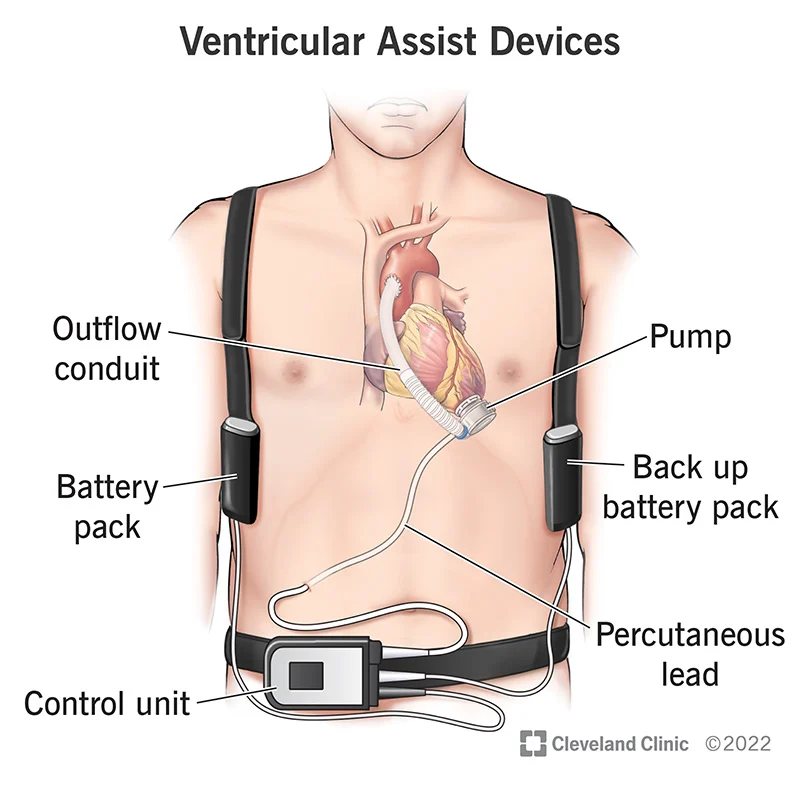
Heart failure is a serious medical condition that affects millions of people worldwide. It occurs when the heart is unable to pump enough blood to meet the body's demands, leading to a range of debilitating symptoms and decreased quality of life. While traditional treatments for heart failure such as medication, lifestyle changes, and heart transplantation have been effective to some extent, the development of Ventricular Assist Devices (VADs) has revolutionized heart failure management, offering a life-saving option for patients who are not eligible for or cannot undergo heart transplantation.
VADs are mechanical devices designed to assist the heart in pumping blood, thus alleviating the burden on the weakened heart muscle. They can be implanted inside or outside the body, and their continuous flow or pulsatile technology significantly improves blood circulation, leading to better organ perfusion and overall patient well-being. Over the past few decades, significant advancements have been made in VAD technology, leading to better outcomes for heart failure patients.
One of the key advancements in VADs is the miniaturization of devices. Early VADs were bulky and required large incisions to implant, leading to a higher risk of complications. However, recent developments have resulted in smaller, more compact devices that can be implanted through less invasive surgical procedures. These miniaturized VADs not only reduce surgical risks but also improve patient comfort and quality of life during the recovery process.
Another crucial improvement is the enhancement of VAD durability and reliability. Earlier generations of VADs had limited lifespans and were prone to mechanical failures, necessitating frequent replacements and increasing the risk of complications. With advancements in materials and engineering, modern VADs are more durable and reliable, reducing the need for reoperations and enhancing long-term patient outcomes.
Moreover, the development of better power sources has been a game-changer for VADs. Previously, patients were tethered to large external power sources, which restricted their mobility and limited their ability to engage in daily activities. The introduction of smaller, more efficient, and portable power packs has given patients the freedom to move around and lead more active lives, further improving their physical and psychological well-being.
The management of VAD patients has also been streamlined with advances in monitoring technology. Healthcare providers can now remotely monitor VAD function, patient vital signs, and potential complications, allowing for early detection and intervention in case of any issues. This real-time monitoring significantly reduces the risk of adverse events and ensures timely adjustments to optimize VAD settings for individual patients.
Additionally, improved patient selection criteria and surgical techniques have contributed to better outcomes. As healthcare professionals gain more experience with VAD implantation, they can better identify suitable candidates for the procedure and tailor the approach to individual patient needs. This precision in patient selection and surgical planning has resulted in decreased complication rates and improved patient survival rates.
The future of VADs holds even more promise. Ongoing research focuses on developing fully implantable VADs and bioengineered devices that mimic the natural functioning of the heart. These innovations aim to further reduce the risk of infection, eliminate the need for external components, and improve long-term patient outcomes.
In conclusion, advancements in Ventricular Assist Devices have significantly enhanced heart failure management and improved patient outcomes. The miniaturization of devices, improved durability, better power sources, remote monitoring capabilities, and refined surgical techniques have collectively transformed the landscape of heart failure treatment. As technology continues to evolve, VADs will likely play an increasingly essential role in improving the lives of patients with heart failure, providing hope for a healthier and more fulfilling future for millions of people worldwide.