Advancements in Computational Tools for Bioinformatics: Leveraging Big Data to Unravel Biological Mysteries

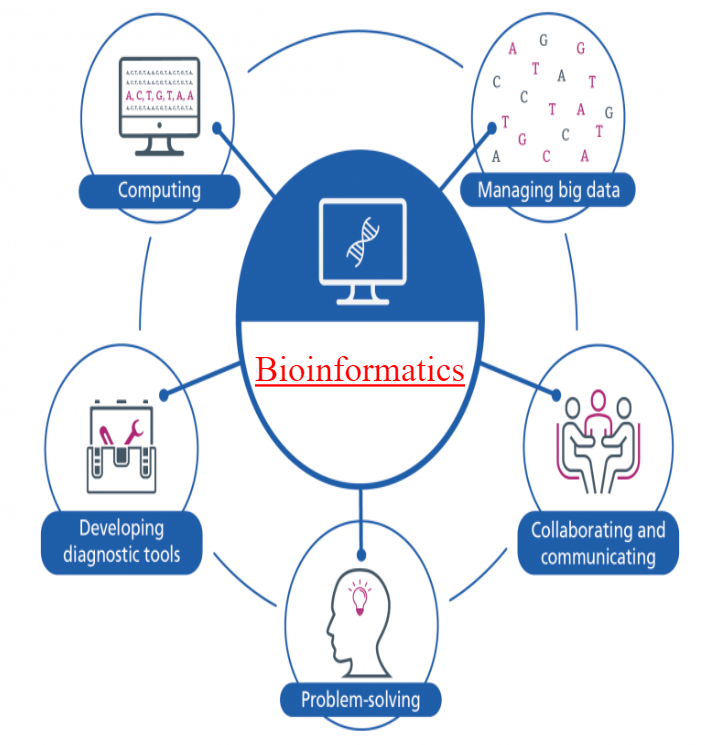
Bioinformatics is an interdisciplinary field that combines biology, computer science, and mathematics to analyze and interpret biological data. Over the past few decades, the field of bioinformatics has witnessed remarkable advancements, largely driven by the explosion of biological data and the development of sophisticated computational tools. In particular, the emergence of big data has revolutionized the way we understand and explore biological mysteries, allowing researchers to delve deeper into complex biological processes and gain valuable insights into various aspects of life sciences.
One of the key factors that have fueled the advancements in bioinformatics is the exponential growth of biological data generated by various high-throughput technologies, such as DNA sequencing, gene expression analysis, and proteomics. These technologies can produce vast amounts of data in a short period, presenting researchers with a challenge of managing, analyzing, and interpreting these data efficiently. Traditional methods of data analysis were no longer sufficient to handle the sheer volume and complexity of these datasets, necessitating the development of powerful computational tools.
Computational tools have become an essential component of bioinformatics, aiding researchers in diverse areas such as genomics, transcriptomics, proteomics, and metabolomics. These tools leverage algorithms and statistical models to process and interpret large-scale biological data, helping researchers gain meaningful insights and uncover hidden patterns. For instance, in genomics, computational tools can analyze DNA sequences to identify genetic variations associated with diseases or evolutionary changes. Similarly, in transcriptomics, tools can analyze gene expression data to study how genes are regulated and how they contribute to various biological processes.
One of the most significant contributions of computational tools in bioinformatics is the ability to compare and integrate data from various sources. Big data often come from diverse experiments and studies, and integrating this information can provide a more comprehensive view of complex biological systems. By integrating data from different experiments, researchers can validate their findings and generate more accurate and reliable results. Furthermore, data integration can lead to the discovery of novel relationships between different biological entities, providing new avenues for research and potential therapeutic targets.
Machine learning and artificial intelligence (AI) have also played a pivotal role in advancing bioinformatics. These techniques enable researchers to build predictive models and make sense of complex biological data, allowing them to forecast protein structures, predict gene functions, and classify diseases based on genetic profiles. Machine learning algorithms have proven particularly effective in analyzing big data, as they can recognize patterns and relationships that may not be apparent to traditional statistical approaches. As AI continues to evolve, it holds the promise of driving even more significant breakthroughs in bioinformatics and revolutionizing personalized medicine.
Additionally, advancements in cloud computing and data storage have empowered bioinformaticians to process and store large datasets more efficiently. Cloud-based platforms provide scalable and flexible computing resources, allowing researchers to run complex analyses without the need for expensive local infrastructure. Moreover, cloud-based data storage solutions enable seamless collaboration between research groups and institutions, facilitating the exchange of data and findings on a global scale.
In conclusion, the advancements in computational tools for bioinformatics have transformed the field and revolutionized our understanding of biological mysteries. The integration of big data, machine learning, and cloud computing has enabled researchers to gain unprecedented insights into complex biological systems. As the field continues to evolve, we can expect even more powerful and innovative computational tools that will drive further breakthroughs in life sciences and open up new possibilities for improving human health and well-being. By leveraging big data and cutting-edge technologies, bioinformatics will undoubtedly remain at the forefront of scientific discovery in the years to come.