Advancements in Blood Collection Devices: Enhancing Efficiency, Safety, and Patient Experience

Advancements in Blood Collection Devices: Enhancing Efficiency, Safety, and Patient Experience
Blood collection is a crucial aspect of modern healthcare, used for various medical tests, diagnoses, and treatment monitoring. Over the years, significant advancements have been made in blood collection devices to improve the efficiency of the process, ensure patient safety, and enhance the overall patient experience.
One of the primary focuses of innovation in blood collection devices is reducing discomfort for patients during the procedure. Traditionally, venipuncture involved using large-gauge needles, which could cause pain and anxiety in patients, especially children and those with needle phobia. However, with advancements in technology, the advent of smaller, finer-gauge needles and butterfly needles has made the process much less uncomfortable. These devices cause less trauma to the veins, reducing pain and the risk of bruising after the blood draw.
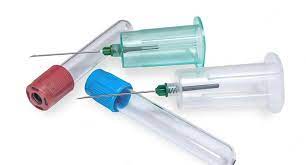
Moreover, some modern blood collection devices incorporate innovative features like retractable needles. These needles automatically retract into the holder after the collection is complete, minimizing the chances of needlestick injuries for healthcare professionals. This not only protects the healthcare workers but also helps prevent the transmission of bloodborne infections from patient to patient.
The issue of patient discomfort and fear during blood collection has also been addressed through the development of needle-free blood collection systems. These devices use methods like microsampling technology, where a tiny amount of blood is collected from the skin surface through minimally invasive techniques. This approach not only reduces pain but also allows for easier sample collection from specific patient populations, such as neonates or elderly individuals with fragile veins.
Efficiency is another crucial aspect of blood collection. Advancements in this area have resulted in devices that facilitate quicker and more streamlined procedures. Automated blood collection systems, for example, use robotics to accurately position the needle and draw blood at a controlled rate, ensuring consistency and precision in the collection process. These systems are particularly beneficial in high-throughput environments, such as large hospitals and laboratories, where multiple blood samples need to be collected and processed rapidly.
Additionally, the integration of barcode and radiofrequency identification (RFID) technology into blood collection devices has significantly improved the accuracy of sample labeling and tracking. This reduces the risk of errors in sample identification, ensuring that each patient's sample is correctly labeled, and results are matched to the right individual.
Patient safety is a top priority in healthcare, and blood collection devices have not lagged behind in this regard. Devices with safety mechanisms, such as needle shields and one-time-use safety lancets, are becoming increasingly prevalent. These mechanisms help prevent accidental needlestick injuries, reducing the risk of infection for both patients and healthcare workers.
Furthermore, advancements in material science and the use of sterile, single-use components have enhanced the safety of blood collection devices. Disposable, pre-assembled collection sets eliminate the risk of cross-contamination, ensuring that patients receive safe and sterile blood collection procedures.
In conclusion, advancements in blood collection devices have revolutionized the way blood samples are obtained in the medical field. These innovations have significantly improved patient comfort, streamlined the collection process, and enhanced overall patient safety. As technology continues to evolve, we can expect further refinements in blood collection devices, leading to even greater efficiency and better patient experiences in the future.