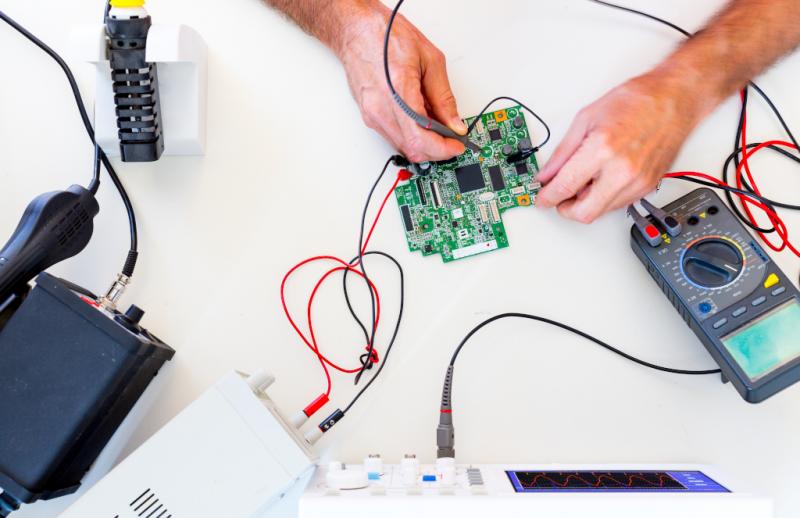
Microelectromechanical systems (MEMS) technology involves the integration of mechanical elements, sensors, actuators and electronics on a common silicon substrate through microfabrication technology. Originally designed for applications in areas like automotive, biotechnology and defense, MEMS are now starting to make their presence felt in a wide variety of consumer electronic products and industrial equipment that impact daily life. ... Read more
Recent breakthroughs in quantum physics are enabling new kinds of ultra-precise sensors that could transform multiple industries. By harnessing the strange properties of quantum mechanics, such as quantum entanglement and superposition, quantum sensors promise unprecedented levels of sensitivity. This new generation of sensors could enable new applications ranging from enhanced navigation and imaging to improved medical diagnostics and material inspection.
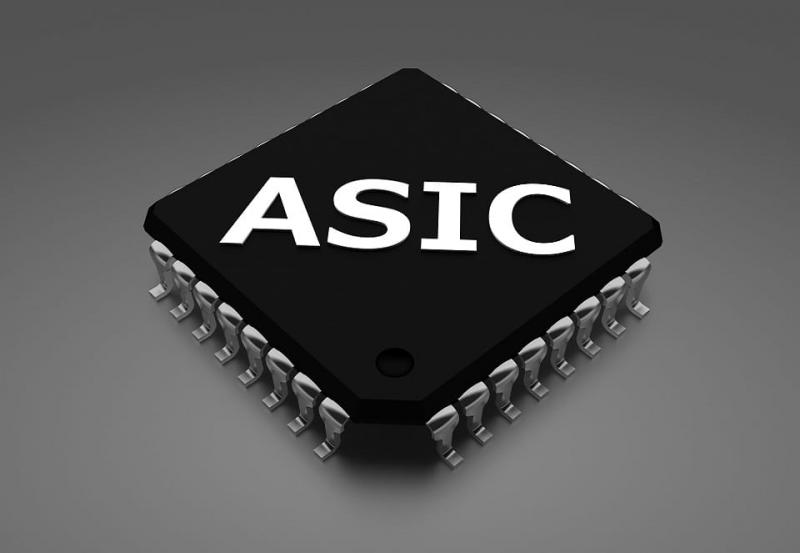
The ASIC chip market has been witnessing significant growth in recent years, driven by various factors that are reshaping the semiconductor industry landscape. This report delves into the market drivers propelling the growth of the ASIC chip market, conducts a PEST analysis to understand the external factors impacting this sector, and conducts a SWOT analysis to evaluate the strengths, weaknesses, opportunities, and threats within the ASIC chip market.
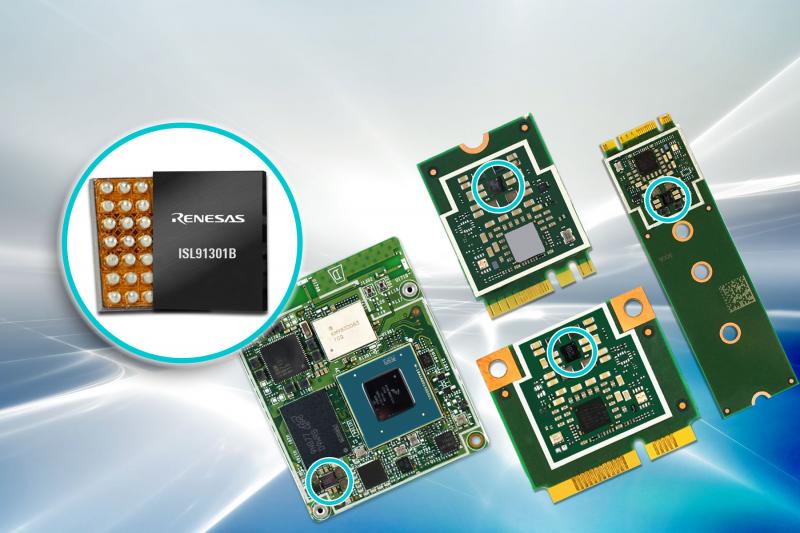
The Evolution of Power Delivery in Modern Devices
With technology advancing at an unprecedented pace, modern electronic devices have become increasingly powerful while also shrinking in size. This has placed unique demands on power delivery and management that were unthinkable just a few years ago. Power management ICs (PMICs) play a vital role in addressing these challenges by efficiently regulating and controlling the flow of power within today's miniaturized gadgets. PMICs have ... Read more
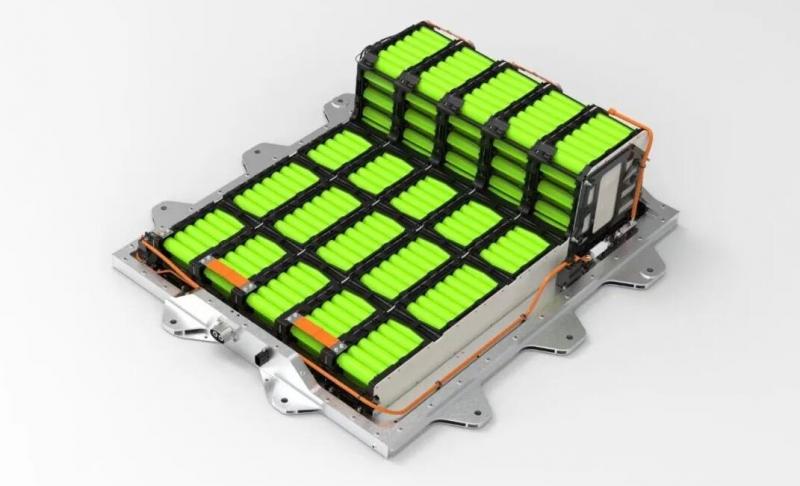
Sodium-ion batteries, also known as Na-ion batteries, are a promising technology for low-cost electrical energy storage. Similar in design and chemistry to lithium-ion batteries, sodium-ion batteries substitute sodium ions for lithium ions during the charge-discharge process. Sodium is much more abundant in the Earth's crust than lithium, present in vast salt deposits and at lower cost. This makes sodium-ion batteries an attractive alternative ... Read more