Thermoplastic Elastomer: Versatile, Sustainable, and Resilient Material for Next-Generation Engineering Solutions

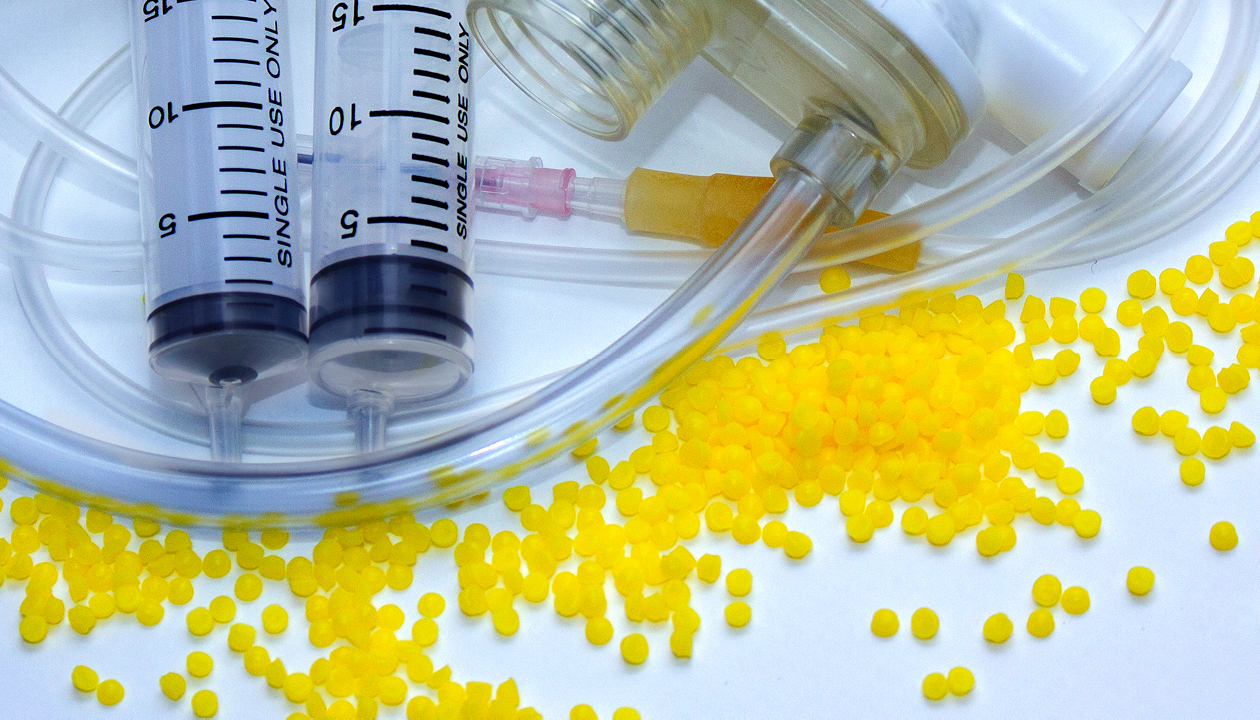
Thermoplastic Elastomers (TPEs) are a unique class of materials that combine the characteristics of traditional thermoplastics and elastomers. They possess the elasticity and resilience of rubber, allowing them to undergo significant deformation and return to their original shape, while also exhibiting the processability and recyclability of thermoplastics. This versatility makes them highly sought after in various industries, where their exceptional properties and performance have opened up new avenues for innovation and application.
Structure and Composition
Thermoplastic Elastomers are composed of a continuous thermoplastic phase and a dispersed elastomeric phase. The thermoplastic phase provides the material with the ability to melt, flow, and be molded into different shapes, while the elastomeric phase imparts elasticity and stretchability. The proportions of these phases can be adjusted to achieve specific properties, tailoring the TPE for different applications.
Types of Thermoplastic Elastomers
There are several types of TPEs, each with unique properties suited to various industries and applications. Some common types include:
-
Styrenic Block Copolymers (SBCs): SBCs, such as Styrene-Butadiene-Styrene (SBS) and Styrene-Ethylene-Butylene-Styrene (SEBS), are widely used due to their excellent flexibility, durability, and chemical resistance. They are often found in footwear, automotive components, adhesives, and medical devices.
-
Thermoplastic Polyurethane (TPU): TPU is known for its exceptional abrasion resistance, high tensile strength, and flexibility. It is frequently used in applications such as sports equipment, hoses, cables, and seals.
-
Thermoplastic Vulcanizates (TPVs): TPVs offer a good balance of properties, including weather resistance, heat resistance, and low compression set. They find applications in automotive weather-stripping, consumer goods, and industrial seals.
Advantages of Thermoplastic Elastomers
The popularity of TPEs stems from their numerous advantages over traditional rubber and thermoplastics:
-
Design Flexibility: TPEs can be molded into complex shapes with ease, allowing designers to create intricate products with precision.
-
Recyclability: TPEs can be recycled and reused, reducing waste and promoting sustainability.
-
Cost-Effectiveness: TPEs often provide a cost-effective alternative to traditional materials, leading to cost savings in manufacturing.
-
Soft-Touch Feel: TPEs can be formulated to have a soft and rubber-like touch, enhancing user experience in products like grips and handles.
-
Chemical Resistance: Certain types of TPEs offer excellent chemical resistance, expanding their use in challenging environments.
Applications of Thermoplastic Elastomers
TPEs have found widespread applications across various industries, including:
-
Automotive: TPEs are used in automotive interiors, exterior trims, seals, gaskets, and anti-vibration components due to their durability and resistance to harsh environments.
-
Footwear: In the footwear industry, TPEs are used for outsoles, midsoles, and cushioning components, providing comfort and flexibility to the wearer.
-
Consumer Goods: TPEs are utilized in a range of consumer goods, including toys, kitchen utensils, soft grips on tools, and household products.
-
Medical Devices: TPEs play a vital role in medical devices such as catheters, syringe plungers, and prosthetics, offering biocompatibility and ease of processing.
-
Electronics: TPEs are used as protective coatings for cables, connectors, and electronic components, safeguarding them from mechanical stress and environmental factors.
Conclusion
Thermoplastic Elastomers have revolutionized the world of materials with their unique combination of thermoplastic and elastomeric properties. As technology continues to advance, TPE formulations will evolve, opening up new possibilities and pushing the boundaries of innovation. Their use in industries as diverse as automotive, consumer goods, medical, and electronics is a testament to their remarkable versatility and ability to address the evolving needs of modern manufacturing. As a sustainable, cost-effective, and adaptable material, Thermoplastic Elastomers are set to play a crucial role in shaping the future of various industries for years to come.