Thermoformed Plastics: Innovations in Design and Manufacturing for Enhanced Product Solutions

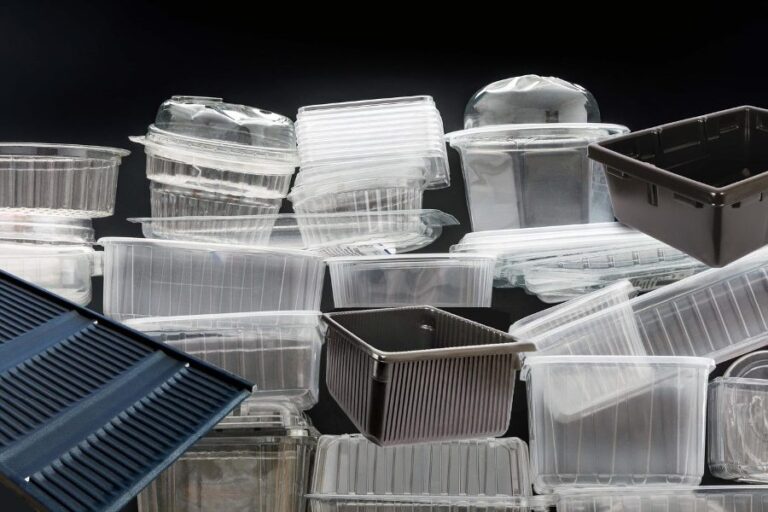
Thermoformed plastics are a widely used and versatile manufacturing process that involves heating a plastic sheet to a pliable forming temperature, shaping it, and then cooling it to create a final product. This technique is employed to produce a diverse range of products, with packaging being one of its most prominent applications. Thermoformed plastics offer numerous advantages, including customization options, cost-effectiveness, and sustainability, making them a popular choice in various industries.
The Thermoforming Process
The thermoforming process begins with a flat plastic sheet, typically made from materials like polyethylene (PE), polypropylene (PP), polyvinyl chloride (PVC), or polystyrene (PS). The sheet is fed into a thermoforming machine, where it is heated using infrared, convection, or other heating methods to soften the plastic. Once the plastic reaches its optimal forming temperature, it is transferred to a mold, where it takes the desired shape. The mold can be either male or female, depending on whether the plastic is pressed into or over it.
Advantages of Thermoformed Plastics
-
Customization: Thermoforming allows for a high degree of customization. Manufacturers can create products with various shapes, sizes, and surface textures to meet specific customer requirements.
-
Cost-effectiveness: Thermoforming is a cost-efficient process, particularly for large-scale production. The tooling costs are generally lower compared to other molding techniques, such as injection molding.
-
Rapid Prototyping: The quick setup and low tooling costs make thermoforming ideal for rapid prototyping and product development.
-
Lightweight and Durable: Thermoformed plastic products are lightweight, yet they offer good strength and durability, making them suitable for various applications.
-
Versatility: Thermoformed plastics are used in a wide range of industries, including food packaging, medical devices, automotive components, consumer goods, and more.
Applications of Thermoformed Plastics
-
Packaging: Thermoformed plastics are extensively used in packaging applications, such as blister packs, clamshells, trays, and containers. They offer excellent visibility for retail products, ensuring the product remains the focus while providing protection and security.
-
Automotive Industry: Thermoformed plastics find applications in automotive interiors, including door panels, dashboards, and trim components, thanks to their lightweight and cost-effective nature.
-
Medical Devices: The medical industry utilizes thermoformed plastics for creating sterile and single-use medical packaging, as well as components for medical devices.
-
Consumer Electronics: Thermoformed plastics are used in manufacturing casings, enclosures, and protective covers for various electronic devices.
Sustainability Considerations
In recent years, the focus on sustainability has become increasingly important. Thermoformed plastics offer eco-friendly solutions, as they can be made from recycled materials and are fully recyclable. Additionally, the lightweight nature of thermoformed products reduces transportation-related emissions, contributing to a greener supply chain.
Conclusion
Thermoformed plastics have revolutionized the way products are packaged and manufactured across numerous industries. Their versatility, cost-effectiveness, and customization options make them a sought-after choice for businesses seeking efficient and sustainable packaging solutions. As technology and materials continue to advance, the thermoforming process is likely to witness further innovations, cementing its position as a vital manufacturing technique for the future.