Maximizing Efficiency and Performance with Purging Compounds in Industrial Processes

In the realm of industrial manufacturing, maintaining optimal efficiency and performance is paramount. One often overlooked yet crucial aspect of this endeavor is the regular maintenance of machinery and equipment. When it comes to thermoplastic processing equipment such as injection molding machines and extruders, the accumulation of residual materials and colorants can result in decreased operational efficiency and product quality. This is where the unsung hero of industrial maintenance, the purging compound, steps in.
The Problem at Hand
Over time, the constant use of thermoplastic processing equipment leads to the accumulation of impurities, color residues, and other contaminants within the machinery. This buildup not only hampers the equipment's efficiency but also affects the quality of the final products. Color inconsistencies, streaks, and other defects become increasingly common, leading to production delays and increased reject rates. Traditional methods of cleaning, such as manual disassembly and mechanical cleaning, are not only time-consuming but also risk damaging the equipment.
Enter the Purging Compound
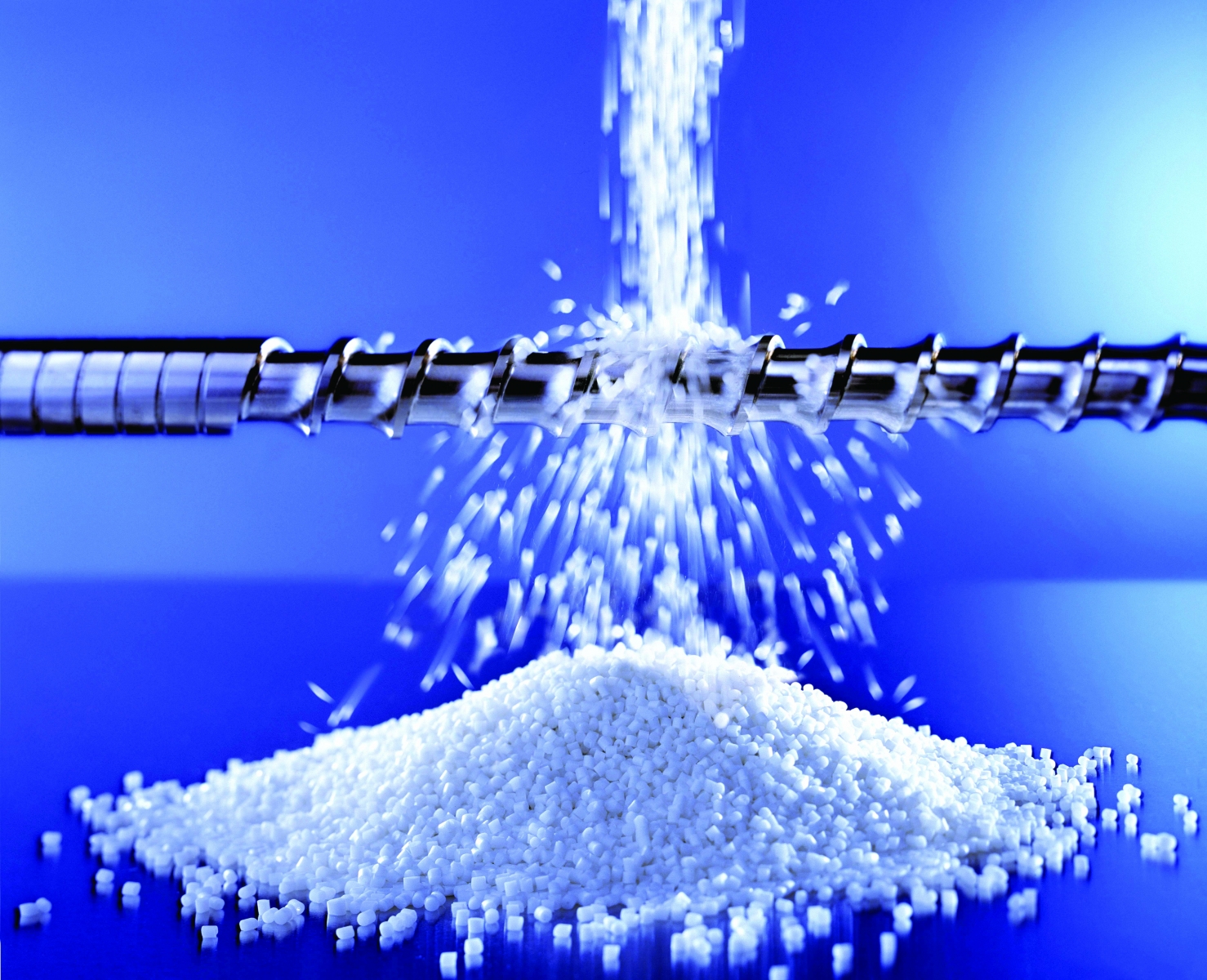
Purging compound are specially designed materials that facilitate the cleaning process of thermoplastic processing machinery. These compounds contain a combination of mechanical scrubbing agents and chemical purging agents. When used, they effectively remove residues and contaminants from the machinery's components, including the barrel, screw, and nozzle.
How It Works
The purging process involves a simple yet highly effective method. The purging compound is fed into the machinery in the same manner as regular plastic resin. As it passes through the equipment, the compound's mechanical scrubbing agents dislodge the stubborn residues, while the chemical purging agents dissolve and remove them. This two-pronged approach ensures a thorough cleaning of the machinery's internal surfaces.
Benefits Galore
-
Time Efficiency: One of the standout benefits of using purging compounds is the time saved during cleaning. Traditional cleaning methods can take hours, if not days, to complete. In contrast, purging can be done in a matter of minutes, significantly reducing downtime.
-
Cost Savings: Reduced downtime translates to significant cost savings. The time that would have been spent on manual cleaning can now be utilized for productive manufacturing, resulting in increased overall production output.
-
Enhanced Quality: Purging compounds not only clean the machinery but also help in achieving better product quality. By eliminating color and material residues, the chances of defects in the final product are minimized.
-
Equipment Longevity: Regular use of purging compounds can contribute to the longevity of thermoplastic processing equipment. By preventing the buildup of contaminants, the wear and tear on components are reduced, leading to fewer breakdowns and maintenance issues.
-
Smooth Color Changes: For manufacturers who frequently switch between different colors or materials, purging compounds are a boon. They ensure a more efficient transition, reducing the chances of color bleeding or inconsistency in subsequent production runs.
Conclusion
In the fast-paced world of industrial manufacturing, every minute and every resource count. Incorporating purging compounds into regular equipment maintenance routines can lead to substantial benefits in terms of time, cost, and product quality. By optimizing the efficiency and performance of thermoplastic processing machinery, these compounds empower manufacturers to stay ahead in the competitive market while consistently delivering high-quality products. So, the next time you think about fine-tuning your production process, remember the unsung hero – the purging compound.