Injection Molded Plastics: Revolutionizing Manufacturing Efficiency and Sustainability

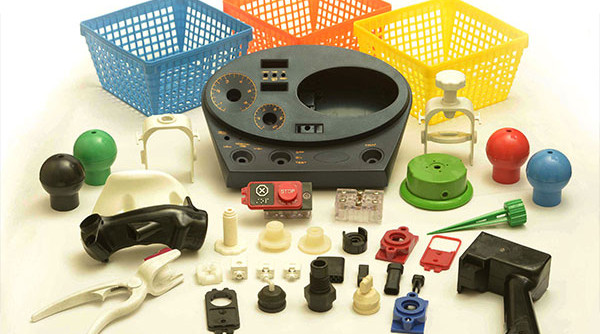
Injection molded plastics have transformed the landscape of modern manufacturing, revolutionizing the production of countless consumer and industrial products. This advanced manufacturing process involves injecting molten plastic materials into precise molds, creating intricate shapes and structures with remarkable speed and accuracy. The versatility, cost-effectiveness, and sustainability of injection molded plastics have made them a cornerstone of various industries, from automotive and electronics to healthcare and packaging. In this article, we will delve into the fascinating world of injection molded plastics, exploring their applications, benefits, and environmental impact.
The Injection Molding Process
At the heart of injection molded plastics lies the injection molding process, a sophisticated technique that has evolved over the years. The process begins with the selection of appropriate thermoplastic or thermosetting materials, which are heated to a molten state. The molten plastic is then injected into a precisely crafted mold under high pressure, ensuring that it fills all the intricate details of the mold's cavity. Once the plastic cools and solidifies, the mold is opened, and the finished product is ejected. This process can be fully automated, enabling rapid and large-scale production with minimal human intervention.
Applications of Injection Molded Plastics
The applications of injection molded plastics are virtually limitless. In the automotive industry, they are widely used for manufacturing interior components, such as dashboards, door panels, and knobs, as well as exterior parts like bumpers and grilles. Their high strength-to-weight ratio and ability to incorporate complex designs make them ideal for these applications.
In the electronics sector, injection molded plastics play a critical role in producing enclosures, connectors, and housings for various devices, including smartphones, laptops, and medical equipment. The precision and consistency of the injection molding process ensure that these components meet stringent performance standards and aesthetics.
The medical field benefits greatly from injection molded plastics as well. They are used to produce single-use medical devices, syringes, vials, and other essential items that demand a hygienic and cost-effective solution.
Benefits of Injection Molded Plastics
The widespread adoption of injection molded plastics can be attributed to the numerous benefits they offer. Firstly, the efficiency and speed of the injection molding process enable high-volume production, reducing manufacturing costs significantly. Moreover, the consistency and repeatability of this process ensure that each product meets exacting specifications, guaranteeing quality and reliability.
Injection molded plastics are lightweight yet sturdy, making them ideal for applications where weight reduction is crucial, such as in the aerospace industry. Their ability to incorporate complex shapes and features eliminates the need for additional assembly steps, simplifying the production process and reducing assembly costs.
Sustainability Considerations
As the world focuses more on sustainability, injection molded plastics have made significant strides in becoming eco-friendly. Manufacturers are increasingly using recycled and biodegradable plastics, reducing their environmental footprint. Additionally, the efficiency of the injection molding process itself leads to lower energy consumption and waste generation compared to other manufacturing methods.
Conclusion
Injection molded plastics have undoubtedly transformed modern manufacturing, powering a diverse range of industries with their efficiency, versatility, and sustainability. As technology advances, we can expect further innovations in materials and processes that will continue to enhance the capabilities and environmental friendliness of injection molded plastics, ensuring they remain an indispensable part of the manufacturing landscape for years to come.