Fumed Silica: Paving the Way for Revolutionary Breakthroughs in High-Performance Coatings and Adhesives

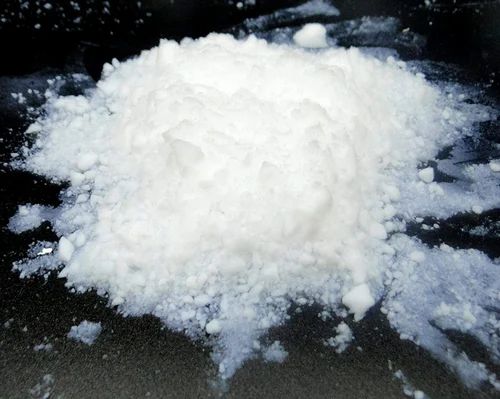
Fumed silica, also known as pyrogenic silica, is a highly versatile and innovative nanoparticle that has revolutionized various industries and applications. It is produced through the combustion of silicon tetrachloride in a flame of hydrogen and oxygen, resulting in the formation of submicron-sized particles with an extremely high surface area. This unique structure and surface area make fumed silica an exceptional additive with diverse functionalities, making it indispensable in fields such as manufacturing, coatings, adhesives, pharmaceuticals, and many others.
Properties and Manufacturing Process
Fumed silica exhibits remarkable properties that set it apart from other conventional additives. One of its most prominent characteristics is its extremely high surface area, often reaching up to 300 square meters per gram. This gives fumed silica exceptional adsorption and thickening capabilities, making it an ideal choice for various applications. Additionally, fumed silica is a hydrophilic material, meaning it easily interacts with water, providing stability and improved performance in aqueous systems.
The manufacturing process of fumed silica involves precise control of flame conditions and reaction parameters to achieve the desired particle size and surface properties. The resulting nanoparticles are then subjected to various post-treatment processes to tailor their characteristics for specific applications. The ability to control the manufacturing process allows the production of fumed silica with varying properties, making it suitable for a wide range of applications.
Applications
-
Advanced Material Engineering: Fumed silica plays a crucial role in the development of advanced materials, including composites and nanocomposites. Its high surface area and unique surface chemistry enhance the mechanical properties and durability of materials, making them ideal for aerospace, automotive, and construction industries.
-
Coatings and Adhesives: In the coatings and adhesives industry, fumed silica is used as a rheology modifier, providing thixotropic behavior and preventing sagging or settling. Its excellent thickening properties make it a key ingredient in high-performance paints, sealants, and adhesives.
-
Pharmaceuticals and Cosmetics: Fumed silica finds applications in pharmaceuticals as a flow agent, anti-caking agent, and as a carrier for controlled drug release. In cosmetics, it acts as a thickening agent and improves the texture and stability of creams and lotions.
-
Food and Beverage: Fumed silica is used in the food and beverage industry as an anti-settling agent and to improve the texture and mouthfeel of various products like sauces, dressings, and beverages.
-
Electronics and Energy: In the electronics industry, fumed silica is utilized as a filler in electronic encapsulants, adhesives, and potting compounds, enhancing their thermal conductivity and mechanical properties. It also finds applications in energy storage systems and fuel cells.
Conclusion
Fumed silica is a remarkable nanomaterial that continues to redefine the boundaries of innovation in various industries. Its exceptional properties and diverse applications make it an indispensable component in the development of advanced materials, coatings, adhesives, pharmaceuticals, and more. As research and technology progress, the potential applications of fumed silica are likely to expand even further, contributing to advancements in numerous fields and improving products and processes worldwide.