Advances in Endometrial Ablation Techniques: A Comprehensive Review

Introduction
Endometrial ablation is a minimally invasive gynecological procedure designed to treat abnormal uterine bleeding in women who have not responded to conservative treatments. It involves the removal or destruction of the endometrial lining of the uterus, thereby reducing or eliminating menstrual flow. Over the years, advancements in medical technology have led to significant improvements in endometrial ablation techniques, offering patients safer, more effective, and less invasive treatment options. This comprehensive review aims to explore the latest advances in endometrial ablation techniques and their impact on patient outcomes.
1. Radiofrequency Ablation (RFA)
Radiofrequency ablation is a relatively newer technique that uses thermal energy to destroy the endometrial tissue. In this procedure, a specialized device is inserted into the uterus, and radiofrequency energy is applied to the endometrium, causing controlled thermal injury and subsequent tissue regression. RFA has demonstrated promising results in terms of efficacy, safety, and patient satisfaction. It offers a shorter procedure time, reduced risk of complications, and faster recovery compared to traditional techniques.
2. Cryoablation
Cryoablation involves freezing the endometrial tissue to achieve destruction. A thin probe is inserted into the uterus, which releases extremely cold temperatures, causing the targeted tissue to freeze and die. This method is particularly suitable for women with irregular uterine cavities and may be performed in an outpatient setting. Cryoablation offers a lower risk of uterine perforation and a faster return to normal activities.
3. Hydrothermal Ablation (HTA)
Hydrothermal ablation is a technique that uses heated fluid to destroy the endometrial lining. The procedure involves the insertion of a balloon-like device into the uterus, which is then filled with a heated fluid. The heat destroys the endometrial tissue, leading to reduced menstrual bleeding. HTA is a safe and effective option for women with abnormal uterine bleeding and has shown good long-term success rates.
4. Microwave Ablation
Microwave ablation is a newer method that uses microwave energy to ablate the endometrial tissue. During the procedure, a specialized probe is inserted into the uterus, and microwave energy is applied to the targeted area, leading to thermal destruction. This technique offers quicker treatment times and reduced post-procedural pain compared to some other methods.
5. Hysteroscopic Ablation Techniques
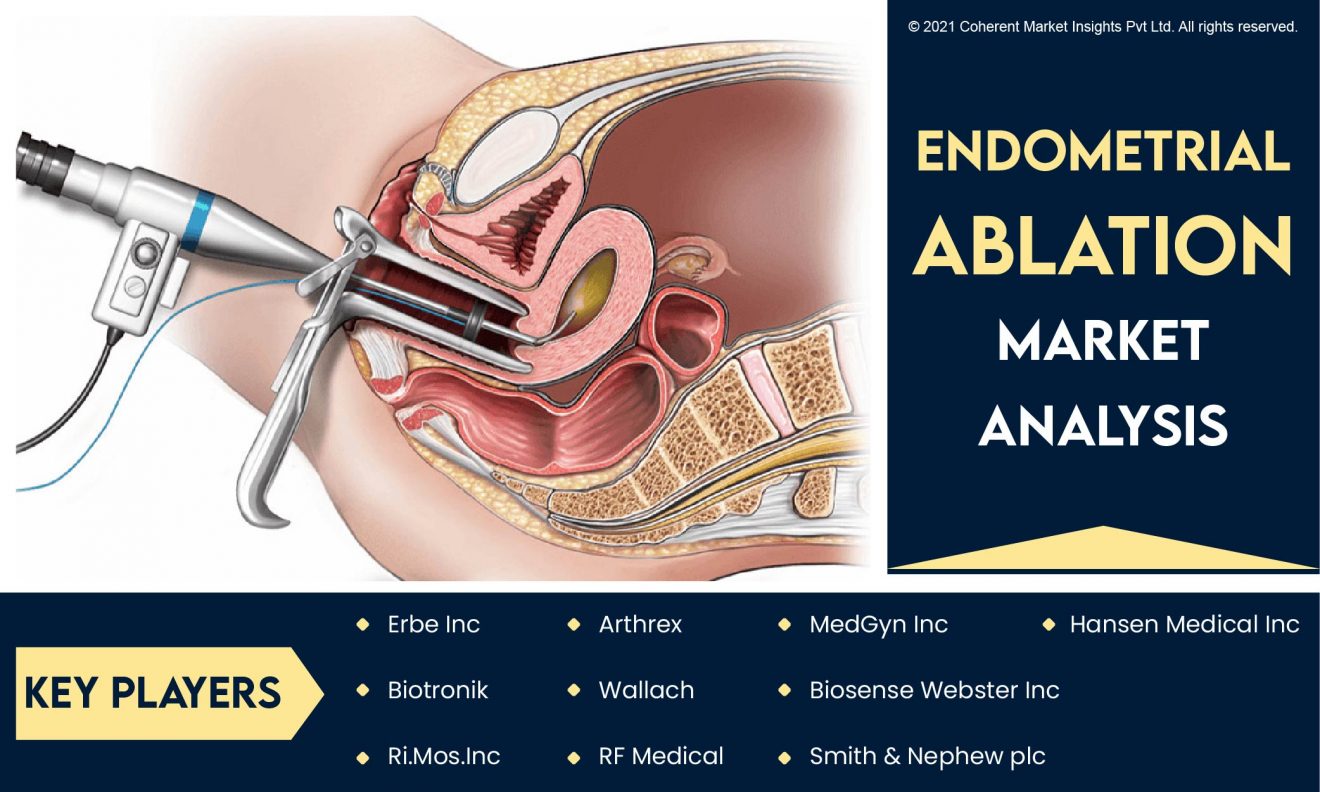
Hysteroscopic ablation techniques involve using a hysteroscope to visualize the uterine cavity during the procedure. Several different modalities can be employed in conjunction with hysteroscopy, such as bipolar electrodes, lasers, or electrosurgical techniques, to ablate the endometrial tissue. These methods allow for targeted and precise treatment, making them suitable for women with irregular uterine cavities or specific anatomical considerations.
Conclusion
Advancements in endometrial ablation techniques have revolutionized the management of abnormal uterine bleeding in women, offering safer, more effective, and less invasive alternatives to traditional surgical interventions. Radiofrequency ablation, cryoablation, hydrothermal ablation, microwave ablation, and hysteroscopic ablation techniques have all shown promising results, providing patients with a range of options tailored to their individual needs and circumstances. As technology continues to advance, it is expected that these procedures will become even more refined, further improving patient outcomes and quality of life for women suffering from abnormal uterine bleeding. However, it is essential that healthcare providers carefully consider each patient's medical history and unique characteristics to ensure the most appropriate and successful treatment approach is chosen.