Wearable technology has witnessed tremendous growth in the last few years with devices like Smart Watches and Fitness Trackers Gaining Popularity

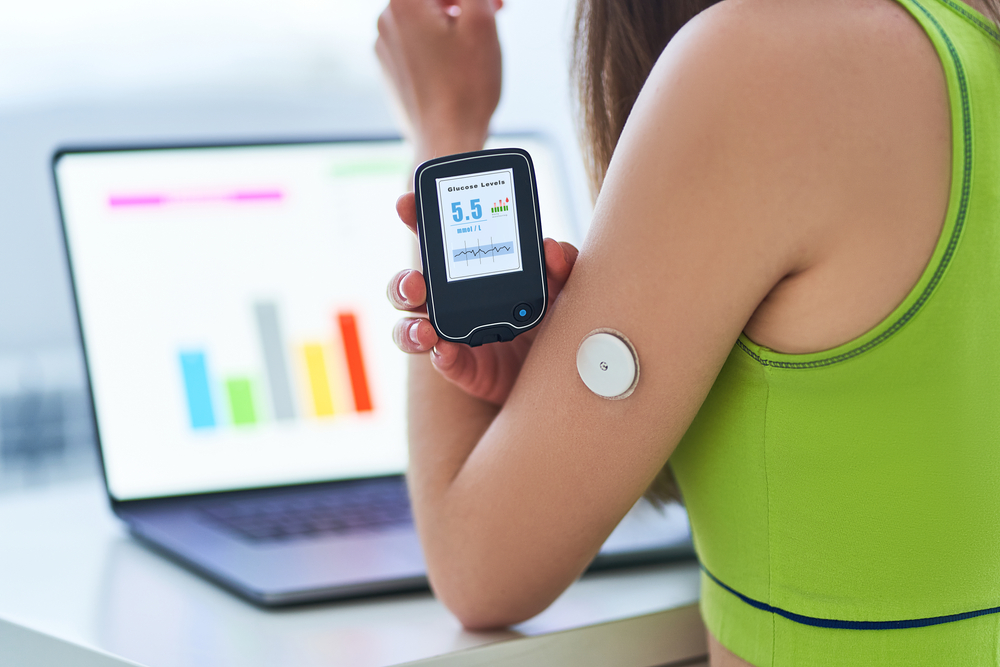
Now the next major innovation in this domain is wearable patches which can provide health insights in a minimally invasive way. These patches are thin, lightweight and wearable on the body like a temporary tattoo and have the potential to drastically change how healthcare is delivered.
What are Wearable Patches?
A wearable patch, also known as a skin patch or e-patch, is a patch that can be attached to the skin to collect various health data. Modern patches contain tiny sensors and electronics embedded in thin, flexible and breathable patches that can be securely attached to the skin using waterproof adhesives.
Generally, a wearable patch contains:
- Sensors to measure biometric data like heart rate, body temperature, ECG, oxygen saturation, blood pressure, etc.
- On-board data storage to cache health readings.
- Battery to power electronics and transmission capabilities.
- Wireless radio like Bluetooth to transmit readings to a companion device in real-time.
The key advantage of Wearable Patches over traditional devices is that they are minimally invasive, discreet and cause very little discomfort to the user as compared to traditional bulky medical devices. This makes them more user-friendly for long-term health monitoring tasks.
Potential Heath Monitoring Capabilities
With the help of different sensors, wearable patches can monitor various health vitals and biomarkers:
- Heart rate and ECG monitoring: Patches contain PPG or ECG sensors to continuously track heart rate, detect arrhythmias, measure stress levels, etc.
- Respiratory monitoring: Some patches have sensors to monitor breathing rate, oxygen saturation, and detect symptoms of respiratory illnesses.
- Temperature monitoring: Patches with temperature sensors can track body temperature continuously and detect fever.
- Blood pressure monitoring: Advanced patches may utilize tonometry and pulse wave techniques to non-invasively measure blood pressure levels.
- Blood glucose monitoring: Patches paired with non-invasive glucose monitoring tech can help diabetics track sugar levels without pricking fingers.
- Hydration levels: Patches may analyze biomarkers like sweat to determine hydration and detect dehydration.
- Medication adherence: Smart patches can remind users of medication schedules and track adherence via connected pill bottles.
- Sleep monitoring: By tracking vitals overnight, patches can provide insights into sleep cycles, quality, and detect sleep apnea issues.
With further research, it is predicted that wearable patch capabilities will continue expanding to include biomarkers for stress, immunity, infection detection and more.
Commercial Applications
The healthcare applications of wearable patches are immense thanks to their 24/7 monitoring abilities with minimal invasiveness. Here are some potential use cases:
- Chronic condition monitoring: Patches can help those with conditions like heart disease, diabetes, asthma/COPD to more frequently track important vitals and get timely alerts.
- Post-surgery recovery: Patches adhered discreetly under clothing can remotely monitor patients after surgeries/procedures for early detection of post-op complications.
- At-home elder care: Patches can offer live insights into health of elderly to caregivers and detect issues like falls before they escalate into medical emergencies.
- Physiotherapy: Patches tied to VR/AR can track rehabilitation progress, enable remote therapy and help optimize recovery programs.
- Sports & fitness: Athletes can utilize patches to monitor vital signs during workouts/matches, track metrics like fatigue, sleep, nutrition for peak performance.
- Clinical trials: Pharmaceutical companies can leverage patches for remote patient monitoring during drug trials for faster results and reduce hospital visits.
- Pandemic response: Patches may help detect infectious disease outbreaks early and track vitals of infected patients remotely to optimize medical resource allocation.
Regulatory and Privacy Concerns
While patches open up exciting possibilities, some challenges need addressing before widespread adoption:
- Regulatory approvals: Most health-grade patches will need regulatory clearances like FDA approval as medical devices to ensure safety and efficacy standards are met.
- Data privacy and security: Sensitive health data generated needs robust protections to prevent unauthorized access and data misuse. Regulations around data ownership and usage are evolving.
- Device reliability: Patches and their components need to maintain accuracy over long durations without breakdowns to ensure dependable health insights.
- Usability concerns: Ensuring patches are convenient to apply/remove, cause minimal discomfort and designed for various demographics including children and seniors.
- Cloud connectivity: Reliable and low-power transmission methods are required so data is not lost due to intermittent connectivity. Offline storage/processing capabilities too.
- Cost-effectiveness: For mass adoption, patch systems should be affordable for everyday health monitoring without burning holes in pockets.
Get More Insights on this topic- https://www.trendingwebwire.com/the-rise-of-wearable-patches-how-patches-are-revolutionizing-healthcare-and-personal-monitoring/