Veterinary Blood Glucose Levels: Understanding the Basics

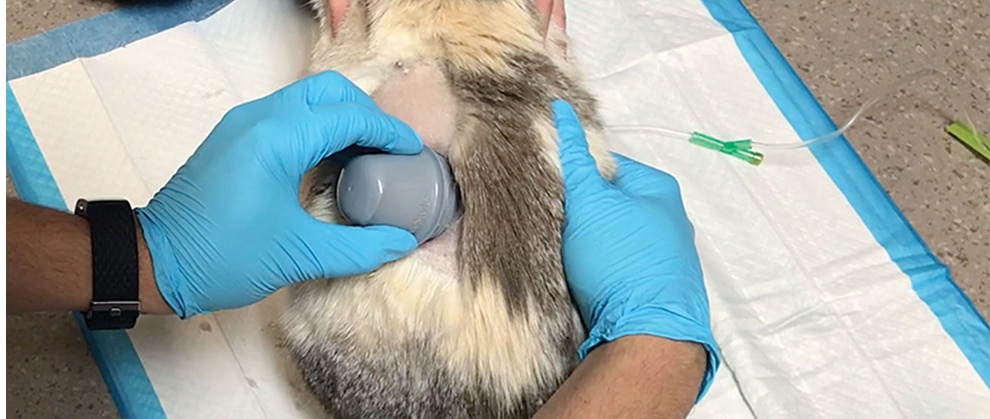
Glucose, commonly known as blood sugar, plays a vital role in providing energy to the body's cells. Maintaining appropriate blood glucose levels is crucial for optimal health and well-being in pets just as it is in humans. As veterinary care continues to advance, monitoring and regulating blood sugar has become increasingly important.
What is Blood Glucose?
Blood glucose, also called blood sugar, refers to the main sugar present in an animal's blood which is derived from carbohydrates. It is the primary source of energy and is carried by the circulatory system to provide energy to cells throughout the body. Glucose comes from the digestion and absorption of carbohydrates from foods. Insulin, a hormone produced by the pancreas, plays the key role of regulating blood glucose levels. It works by promoting the uptake of glucose from blood into tissues and cells where it can be used or stored for energy.
Normal Blood Glucose Ranges
The normal range of Veterinary Blood Glucose concentrations can vary slightly between species and even between individuals. In general, here are normal fasting blood glucose ranges for common pets:
- Dogs: 80-120 mg/dL
- Cats: 75-140 mg/dL
- Horses: 80-100 mg/dL
It's important to note that blood glucose levels fluctuate throughout the day depending on food intake, activity levels, stress, and other factors. Post-meal blood glucose readings tend to be higher for 1-3 hours after eating before returning to normal fasting levels.
Diseases Associated With Abnormal Blood Glucose
Some of the most common medical conditions affecting blood glucose in pets include:
Diabetes Mellitus
Diabetes is a disease characterized by high blood glucose levels caused by either lack of insulin production (Type 1) or resistance to insulin's effects (Type 2). It can be seen in dogs, cats and less commonly horses. Clinical signs may include increased thirst, urination, weight loss despite a normal or increased appetite. Treatment involves monitoring blood glucose, insulin therapy, and careful nutrition management.
Hyperglycemia
This refers to abnormally high blood glucose which occurs when the body produces too little insulin or the cells ignore the insulin. Acute hyperglycemia can develop during periods of severe stress or illness. Persistent elevated blood sugar levels left untreated can lead to serious health issues over time.
Hypoglycemia
Low blood glucose or hypoglycemia is less common than hyperglycemia but can occur during or after an insulin reaction in diabetic pets, in prolonged fasting states, or with certain medications or diseases affecting glucose metabolism. Clinical signs may include lethargy, collapse, seizure, or coma depending on severity. Treatment involves oral glucose supplementation or intravenous dextrose therapy.
Testing and Monitoring Blood Glucose
The most common way to check blood glucose levels is through a simple finger prick at home using a lancet and glucometer. This allows pet owners to proactively monitor their pet's levels, especially for those with diseases like diabetes. However, intravenous or arterial sampling may be required for accurate measurement during hospitalization or anesthesia.
Blood glucose curves provide useful information by assessing levels at regular intervals throughout the day. This helps veterinarians understand a pet's individual metabolic needs and response to treatment including medication adjustments or dietary changes. Monitoring also aids in determining the cause of clinical signs potentially related to abnormal glucose levels.
Significance of Proper Glucose Management
Maintaining balanced blood glucose within the normal range is important for a pet's overall health and wellbeing. Too low or too high levels can negatively impact vital organs and systems over time if left unaddressed. Proper monitoring and treatment of any underlying diseases are critical to prevent serious health complications. With diligent care and monitoring by owners working closely with their veterinarians, most pets can lead long, comfortable lives while managing conditions affecting glucose metabolism.
Get More Insights on Veterinary Blood Glucose