Unveiling the Healing Potential of Medical Ozone Generators

Introduction
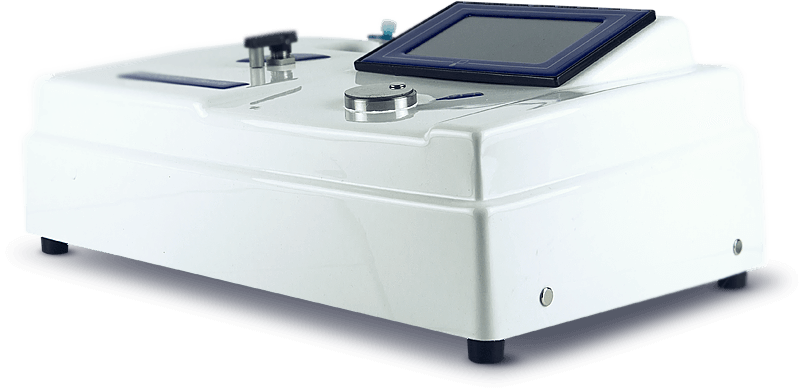
In recent years, there has been growing interest in alternative therapies and treatments for various health conditions. One such therapy that has gained attention is ozone therapy, which involves the use of medical ozone generators. These generators produce ozone gas, which can be administered to patients in different ways, offering a range of potential health benefits. In this blog, we will explore what medical ozone generators are, how they work, and their potential applications in the field of medicine.
What is Medical Ozone?
Medical ozone is a highly reactive form of oxygen with three atoms (O3) instead of the usual two (O2) found in the air we breathe. Ozone is a naturally occurring gas that forms in the atmosphere due to ultraviolet radiation, but it can also be artificially produced using medical ozone generators. When used therapeutically, medical ozone is typically mixed with oxygen to create an ozone-oxygen mixture.
How Do Medical Ozone Generators Work?
Medical ozone generators use either the corona discharge method or the ultraviolet radiation method to produce ozone. In the corona discharge method, pure oxygen passes through a high-voltage electric field, which breaks down the oxygen molecules and recombines them as ozone. The ultraviolet radiation method, on the other hand, uses ultraviolet light to dissociate oxygen molecules into individual oxygen atoms, which then recombine to form ozone.
Different Forms of Ozone Therapy
Ozone therapy offers various forms of administration, depending on the health condition being treated:
-
Ozone Autohemotherapy: This method involves drawing a small amount of the patient's blood, mixing it with medical ozone, and then reintroducing the treated blood back into the patient's bloodstream. It is often used to stimulate the immune system and enhance oxygen delivery to tissues.
-
Ozone Insufflation: In this approach, ozone gas is administered into body cavities such as the rectum, vagina, or ears. It is commonly used to treat infections, especially in the digestive and reproductive systems.
-
Ozonated Water: Ozonated water is used for various applications, including wound cleansing, skin conditions, and oral health.
-
Ozone Bagging: This method involves enclosing an affected body part, such as an arm or leg, in a bag filled with ozone gas. It is sometimes used for wound healing and skin conditions.
-
Ozone Sauna: Patients sit in a sauna while a mixture of ozone and oxygen is introduced, promoting detoxification and potential benefits for skin disorders.
Potential Applications of Medical Ozone Generators
-
Immune System Boost: Ozone therapy has been suggested to stimulate the immune system, aiding in the fight against infections and diseases.
-
Chronic Pain Management: Some studies indicate that ozone therapy might help alleviate chronic pain, particularly in conditions like arthritis or fibromyalgia.
-
Wound Healing: Ozone's antibacterial properties may accelerate wound healing and reduce the risk of infection.
-
Dental Applications: Ozonated water can be used for oral rinses, potentially helping to treat gum disease and reduce bacterial load in the mouth.
-
Dermatological Conditions: Ozone therapy has shown promise in managing certain skin conditions, such as eczema, acne, and fungal infections.
-
Cardiovascular Health: Some research suggests that ozone therapy could have beneficial effects on blood circulation and cardiovascular health.
Safety Considerations
While ozone therapy has potential benefits, it is essential to consider safety precautions. Ozone is a reactive gas, and improper administration or excessive dosage can lead to adverse effects. Qualified healthcare professionals should administer ozone therapy, and patients with specific medical conditions, such as certain respiratory disorders, should avoid this therapy.
Conclusion
Medical ozone generators offer an alternative approach to health and healing. Ozone therapy has shown promise in various applications, from immune system stimulation to wound healing and pain management. However, further research is needed to fully understand its mechanisms and potential benefits. As with any medical treatment, consultation with qualified healthcare professionals is crucial to ensure safe and effective use. Ozone therapy, when appropriately applied, may become a valuable addition to the array of therapeutic options available in the field of medicine.