Unraveling the Enigma of Complex Regional Pain Syndrome (CRPS)

Introduction
Complex Regional Pain Syndrome (CRPS) is a debilitating and enigmatic chronic pain condition that affects a relatively small number of individuals but can significantly impact their quality of life. Also known as reflex sympathetic dystrophy (RSD) or causalgia, CRPS is characterized by severe and disproportionate pain, often triggered by a seemingly minor injury or surgery. In this blog post, we will delve into the complexities of CRPS, exploring its symptoms, causes, diagnosis, and available treatment options.
Understanding CRPS Symptoms
CRPS manifests with a wide range of symptoms, and the severity can vary from person to person. The most common signs include:
- Persistent and intense pain: Patients experience severe, burning, throbbing, or shooting pain that is disproportionate to the initial injury or trauma.
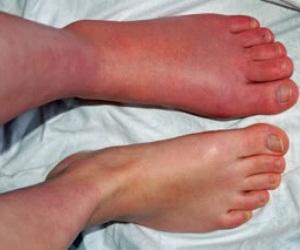
- Changes in skin temperature and color: The affected area may become noticeably warmer or cooler than the surrounding skin and can exhibit changes in coloration, ranging from red and blotchy to pale and mottled.
- Swelling and changes in skin texture: The skin over the affected area may appear swollen, shiny, or undergo changes in texture, such as becoming thin and glossy.
- Limited range of motion and muscle weakness: CRPS can cause joint stiffness and muscle weakness, leading to decreased mobility in the affected limb or region.
- Increased sensitivity: The skin in the affected area may become hypersensitive to touch or even light stimuli, causing heightened pain responses.
Types of CRPS
CRPS is categorized into two main types based on its underlying cause:
- CRPS Type 1 (CRPS-I): Also known as reflex sympathetic dystrophy (RSD), this form of CRPS occurs after an injury or trauma to a limb without significant nerve damage.
- CRPS Type 2 (CRPS-II): Formerly referred to as causalgia, CRPS-II is characterized by nerve injury or damage resulting from the initial trauma.
Causes and Triggers
The exact cause of CRPS remains unclear, but it is believed to involve abnormal responses of the nervous system, immune system, and inflammatory processes. Some common triggers include:
- Trauma or injury: CRPS can be triggered by fractures, sprains, burns, or surgeries, even if they are minor or well-healed.
- Nerve damage: In cases of CRPS-II, nerve injuries, such as those resulting from crush injuries or nerve entrapment, may play a significant role in the development of the condition.
- Immune system dysfunction: There is evidence to suggest that CRPS involves an autoimmune response, where the body's immune system mistakenly attacks its tissues, leading to inflammation and pain.
- Genetic predisposition: Certain individuals may have a genetic predisposition that makes them more susceptible to developing CRPS in response to an injury.
Diagnosis
Diagnosing CRPS can be challenging, as there are no specific tests or imaging techniques to definitively confirm its presence. Instead, healthcare professionals rely on a combination of clinical evaluation and exclusion of other potential causes of the symptoms. The diagnosis often involves:
- Medical history and physical examination: A detailed evaluation of the patient's medical history and a thorough physical examination are crucial in understanding the symptoms and their progression.
- Imaging studies: X-rays, magnetic resonance imaging (MRI), and bone scans may be used to rule out other possible causes of pain and identify any visible signs of CRPS.
- Nerve conduction studies: These tests can help determine if there is any nerve damage contributing to the symptoms.
Treatment Options
CRPS treatment aims to relieve pain, improve function, and enhance the patient's overall well-being. The approach often involves a multidisciplinary approach, combining various therapies. Some common treatment options include:
- Pain medications: Over-the-counter pain relievers, nonsteroidal anti-inflammatory drugs (NSAIDs), and opioids may be prescribed to manage pain. However, opioids are typically reserved for severe cases due to their potential for addiction and side effects.
- Physical therapy: Gentle exercises and physical therapy can help improve range of motion, strengthen muscles, and reduce stiffness in the affected limb.
- Sympathetic nerve blocks: These injections can block sympathetic nerve signals and provide temporary relief from pain.
- Spinal cord stimulation (SCS): SCS involves implanting a device near the spine to deliver electrical impulses that interfere with pain signals, providing relief for some individuals.
- Mirror therapy: A non-invasive technique involving the use of mirrors to create the illusion of movement in the affected limb, which can help reduce pain and improve mobility.
- Cognitive-behavioral therapy (CBT): CBT can be beneficial in managing the emotional and psychological aspects of CRPS, helping patients cope with chronic pain and its impact on daily life.
Conclusion
Complex Regional Pain Syndrome is a complex and challenging condition, affecting individuals in profound ways. Despite advancements in medical science, there is still much to learn about its exact causes and the most effective treatment strategies. Early diagnosis and a comprehensive, multidisciplinary approach are key to managing CRPS effectively and improving the quality of life for those affected by this enigmatic pain syndrome.