Understanding Synovial Sarcoma Treatment: A Comprehensive Guide

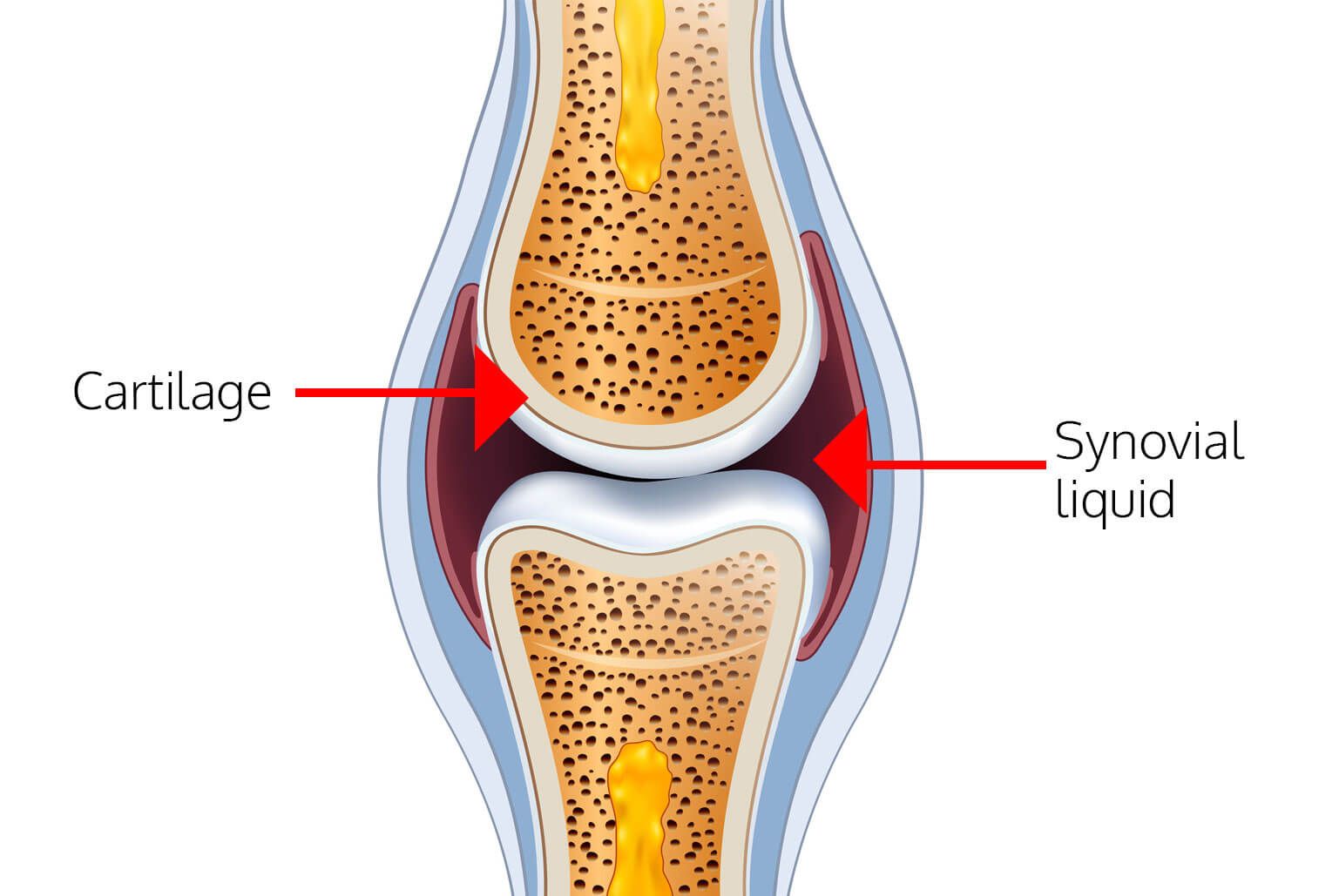
Synovial Sarcoma is a rare form of cancer that primarily affects the soft tissues, such as muscles, tendons, and ligaments. This aggressive cancer is characterized by the development of a tumor in the synovial lining of joints, but it can also occur in other areas of the body. Treating synovial sarcoma requires a multidisciplinary approach, combining surgery, radiation therapy, and sometimes chemotherapy. In this blog, we will explore the various treatment options available for synovial sarcoma patients.
Surgery: Surgical removal of the tumor is the primary treatment for synovial sarcoma. The goal of surgery is to remove the tumor completely, along with a margin of healthy tissue to reduce the risk of recurrence. In some cases, limb-sparing surgery can be performed to preserve the affected limb's functionality. However, if the tumor is in a challenging location or has spread to nearby vital structures, amputation might be necessary to ensure complete removal.
Radiation Therapy: Radiation therapy is often used in combination with surgery or as a stand-alone treatment for synovial sarcoma. High-energy beams are targeted at the tumor site to kill cancer cells or shrink the tumor before surgery. It can also be used after surgery to destroy any remaining cancer cells and reduce the risk of recurrence. Radiation therapy can cause side effects like fatigue, skin irritation, and in rare cases, long-term complications in nearby organs.
Synovial Sarcoma Treatment Market consists of abnormal growth of soft-tissue. Synovial sarcoma is a rare type of cancer and is more prevalent in teenagers and young adults. The North American region dominates the Synovial Sarcoma Treatment Market due to the robust healthcare infrastructure and higher awareness about rare cancer diseases.
Chemotherapy: While synovial sarcoma is generally not very responsive to chemotherapy, it may be used in certain cases. It is often considered when the cancer has metastasized (spread) to other parts of the body or if the tumor cannot be surgically removed. Chemotherapy drugs are administered intravenously and work by attacking rapidly dividing cancer cells. However, they can also affect healthy cells, leading to side effects like hair loss, nausea, and increased risk of infection.
Targeted Therapy and Immunotherapy: Research is ongoing to develop targeted therapies and immunotherapies specifically for synovial sarcoma. These treatments aim to attack cancer cells more selectively, sparing healthy cells and potentially offering more effective and less toxic treatment options.
Synovial Sarcoma Treatment requires a personalized approach based on the tumor's location, size, and stage, as well as the patient's overall health. It's crucial for patients to work closely with a team of experienced oncologists and specialists to determine the best treatment plan. As research continues, new and more effective therapies may emerge, offering hope for improved outcomes and a brighter future for those affected by this challenging cancer.